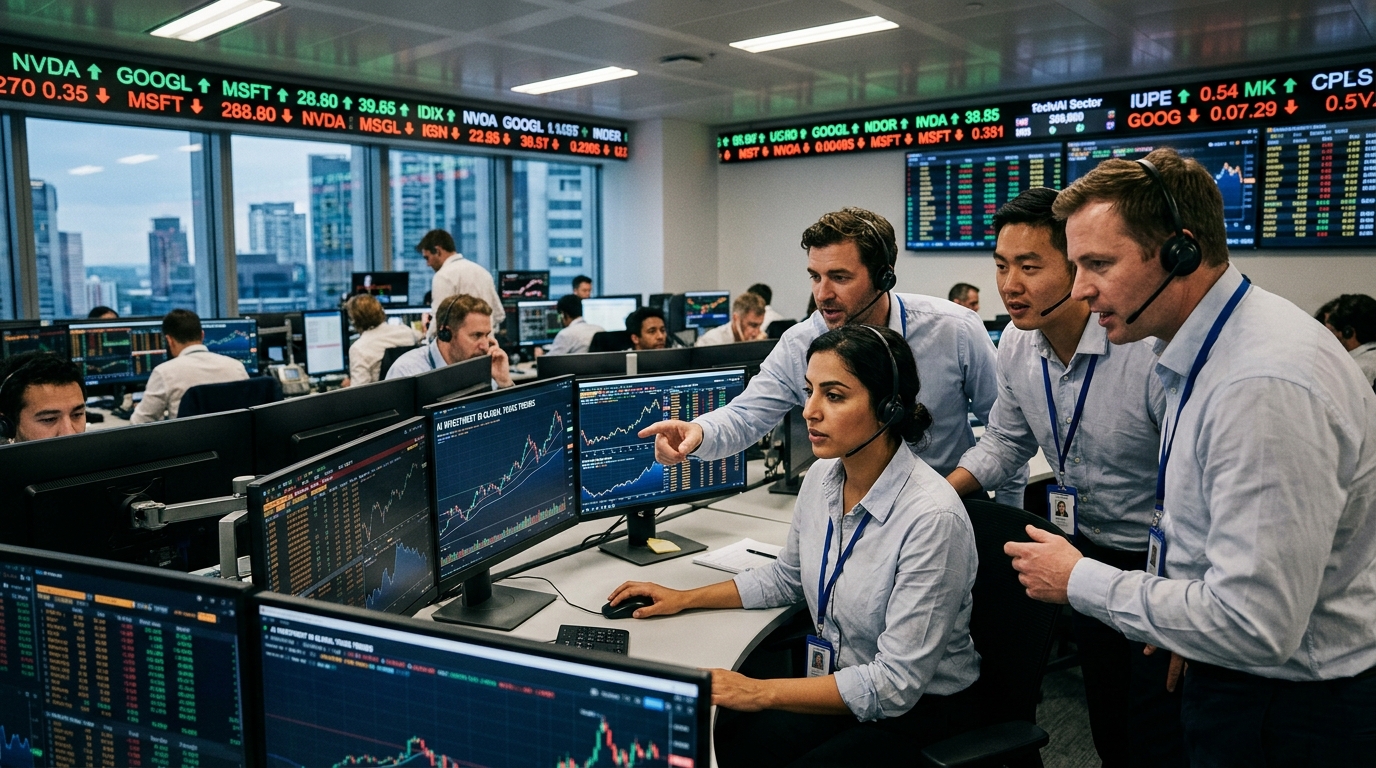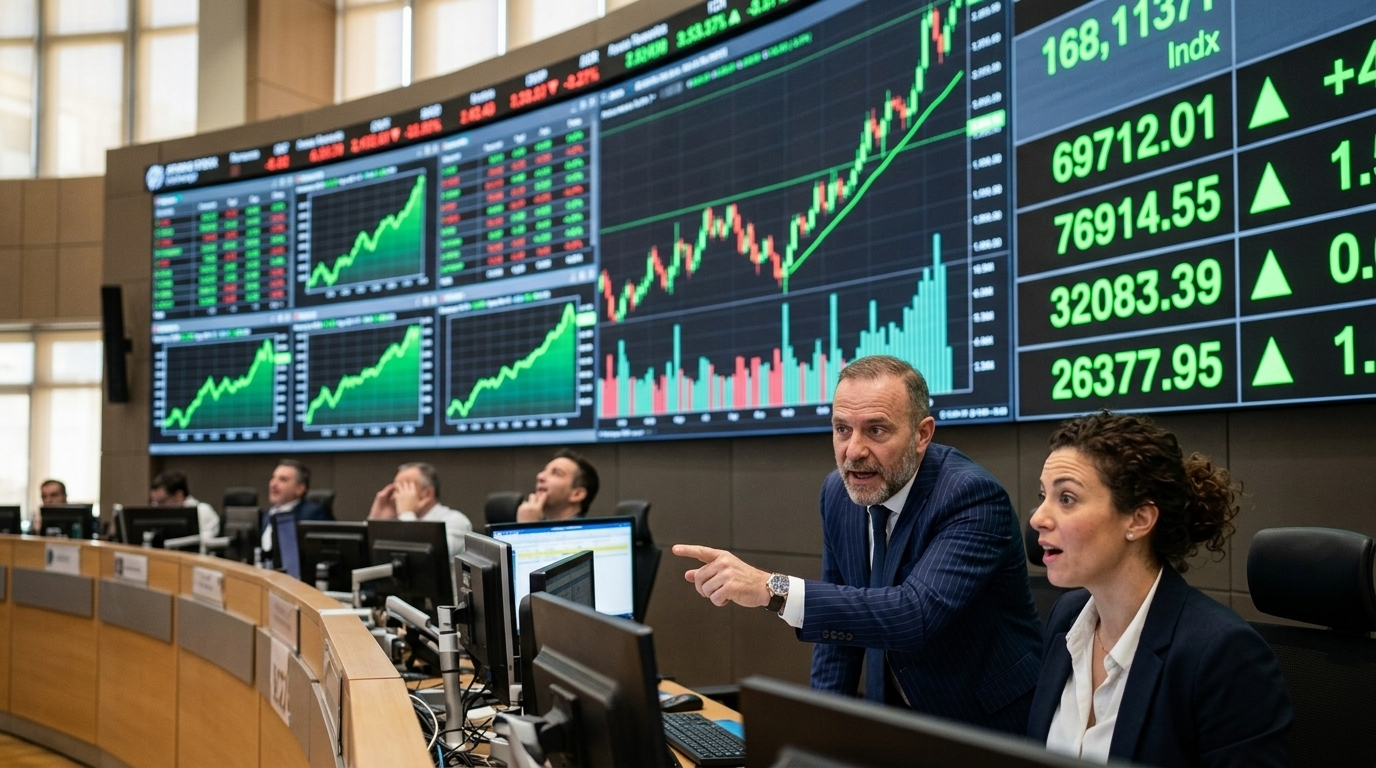
May 2026 will be recorded in the history of the Athens Stock Exchange as the month of the great return of confidence and liquidity. In a session reminiscent of the market's golden days, daily turnover surged past the €1 billion barrier, primarily driven by the rebalancing of international MSCI indices and a robust inflow of fresh capital from foreign institutional investors. The General Index, closing the month with gains of 8.41%, is not just a statistic; it represents the culmination of a period of stabilization and growth that places Greece back at the center of investment interest within the Eurozone.
The Anatomy of the Rally: Banks and Energy Leading the Charge
The driving force behind this impressive rise is undoubtedly the banking sector. Greek banks, having fully cleaned up their balance sheets and returned to a steady dividend policy, have attracted the interest of major funds seeking value in a market still considered undervalued compared to European averages. The profitability of financial institutions, bolstered by high interest rates and credit expansion towards Recovery Fund projects, served as the 'fuel' for the May rally.
Simultaneously, the energy and infrastructure sectors played a pivotal role. As Greece transforms into an energy hub for Southeast Europe, listed companies in these sectors have seen their valuations skyrocket. Investments in Renewable Energy Sources (RES) and the digitalization of the state, supported by artificial intelligence technologies, have created a new narrative for the Greek economy—one that the markets seem to be embracing with enthusiasm.
The Global Context: Wall Street and European Optimism
The situation in Athens is not isolated from global trends. On Wall Street, the S&P 500 and Nasdaq indices continue to hit record highs, fueled by the relentless rise of technology companies and the expectation of a 'soft landing' for the US economy. Artificial Intelligence remains the central pillar of the global surge, dragging even the most traditional markets into a quest for technological superiority.
In Europe, stock markets are also moving higher as inflation data shows signs of easing, allowing the European Central Bank (ECB) to seriously consider interest rate cuts. This environment of lower borrowing costs is beneficial for the Greek market, which is traditionally more sensitive to changes in monetary policy. The inflow of capital from the US to Europe, particularly to high-yield peripheral markets, largely explains the trading volume seen at the end of May.
Challenges and Strategy for the Road Ahead
Despite the euphoria, analysts warn that the market cannot move upward indefinitely without corrections. The €1 billion turnover is an impressive milestone but also contains elements of volatility. The concentration of gains in a few large-cap stocks is a point requiring attention, as the market needs greater depth and participation from mid and small-cap companies for the rise to be considered healthy and sustainable in the long run.
Furthermore, geopolitical tensions in the broader Eastern Mediterranean and Middle East regions remain an unpredictable factor that could overturn the positive climate at any moment. Investors should remain cautious, focusing on companies with strong cash flows and low debt. The Athens Stock Exchange now has the potential to lead, provided that political stability and reform momentum continue at the same pace. The days ahead require sobriety and strategic stock picking, as the period of 'easy gains' may give way to a more demanding and selective market.