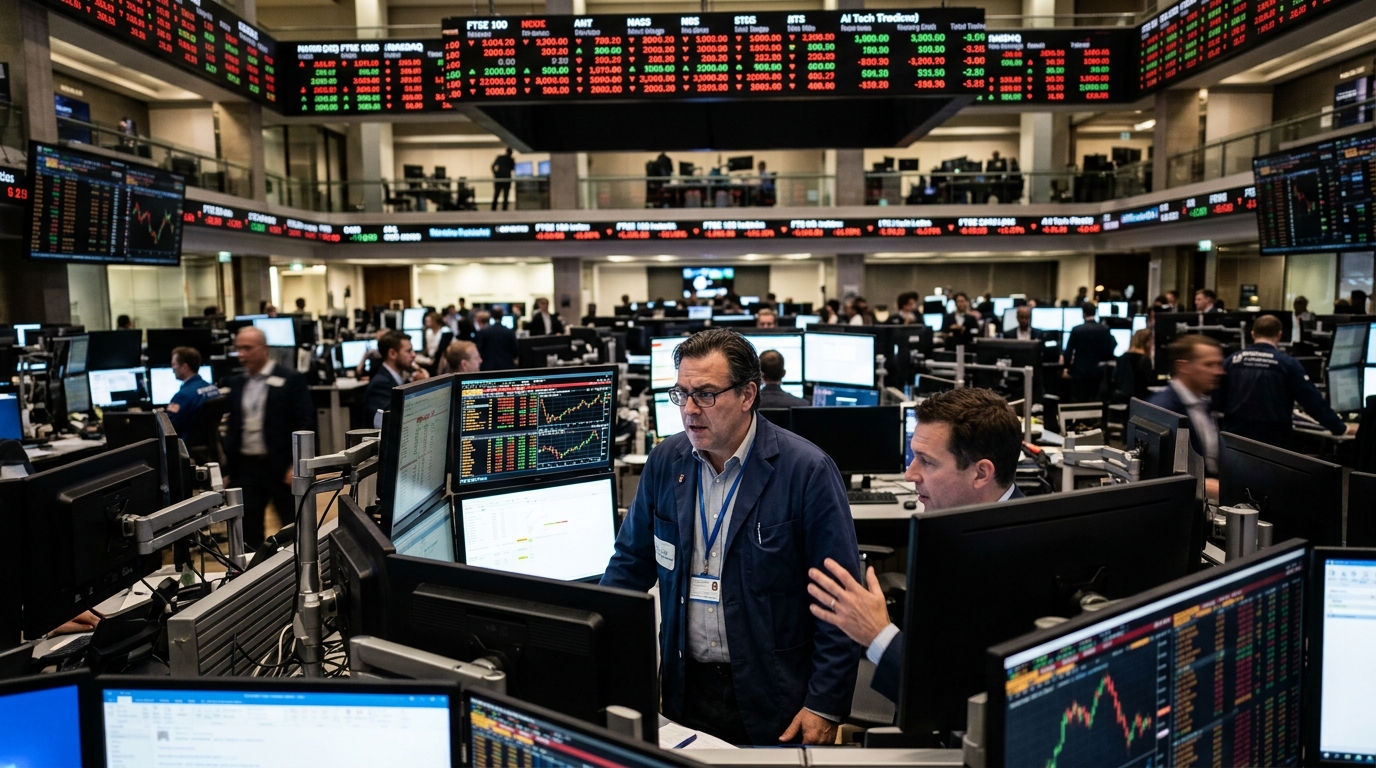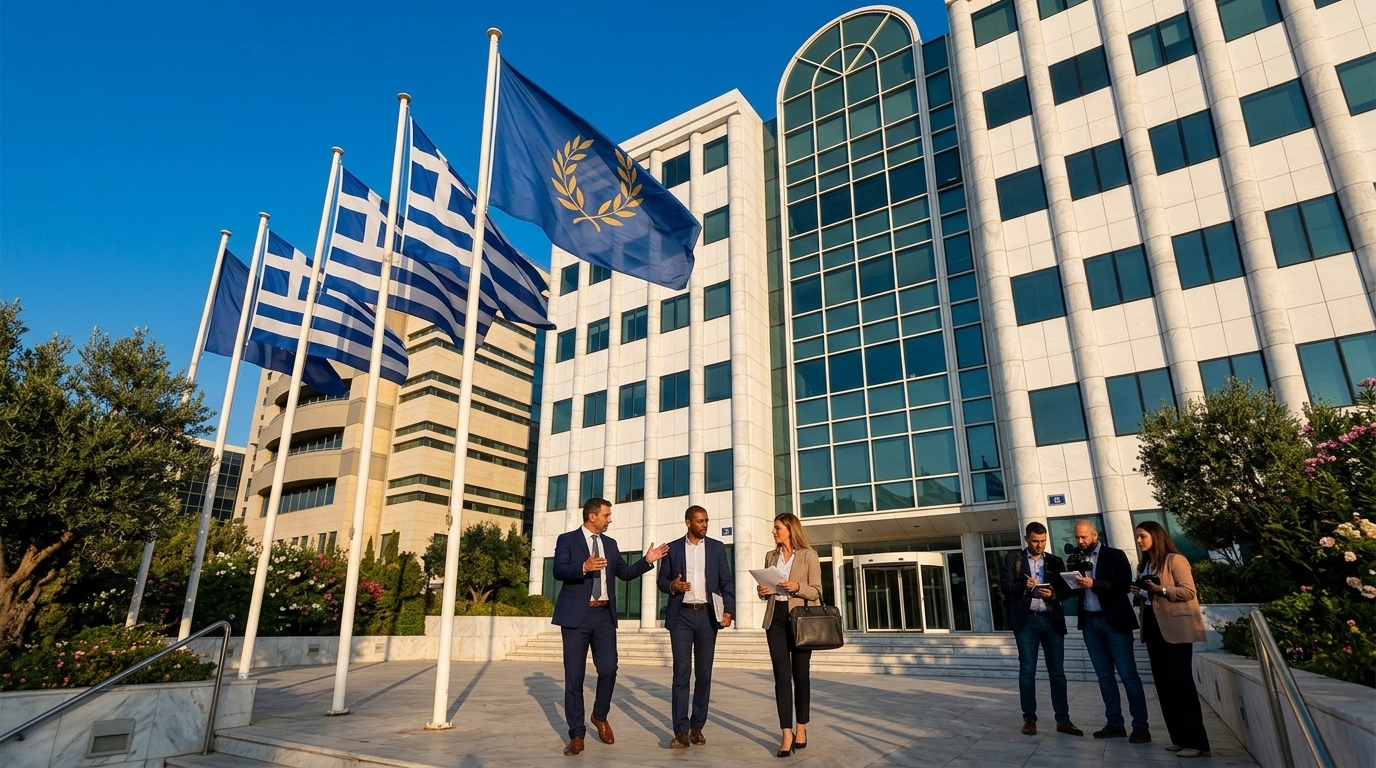
May 3, 2026, will be recorded in the annals of Greek economic history as the day Greece finally left behind the long shadows of the sovereign debt crisis. The official upgrade of the Athens Stock Exchange (ASE) to 'Developed Market' status by major index providers like MSCI and FTSE Russell is more than just a technical adjustment. It is the seal of normalcy for an economy that for over a decade was considered the 'black sheep' of the Eurozone.
The Chronicle of a Long Odyssey
The 2013 downgrade to 'Emerging Market' status was a painful blow to the prestige of the Greek capital market. Back then, the country was at the nadir of its economic activity, with banks requiring successive recapitalizations and political uncertainty reigning supreme. For 13 years, the ASE operated in a high-risk environment, attracting primarily speculative capital (hedge funds) seeking quick returns through volatility.
Returning to the developed leagues required meeting strict quantitative and qualitative criteria. Regaining the investment grade rating for the Hellenic Republic was the first and most critical step. This was followed by the cleanup of the banking system, the reduction of non-performing loans (NPLs), and the strengthening of credit institutions' capital adequacy. Simultaneously, the listing of new companies, such as Athens International Airport, and the successful divestment of the Hellenic Financial Stability Fund (HFSF) from systemic banks, sent a clear message that the Greek market had regained depth and liquidity.
Changing the Investment Mix
But what does this upgrade mean in practice? The transition from emerging to developed markets implies a radical reallocation of capital. Passive funds (ETFs) tracking emerging market indices are required to liquidate their positions in Greece. While this may cause short-term volatility, it opens the door to a much larger 'pool' of capital.
- Institutional Investors: Pension funds and insurance giants that invest exclusively in developed markets can now allocate capital to the ASE.
- Lower Borrowing Costs: The upgrade reduces the risk premium for Greek businesses, facilitating access to cheaper financing.
- Corporate Governance: Requirements for transparency and accountability in developed markets are stricter, forcing Greek listed companies to upgrade their internal processes.
However, there is a challenge: In the emerging markets universe, Greece was a 'big player' with significant index weight. In the developed universe, it will be a 'small fish' in a massive ocean, standing alongside giants from the US, Germany, and Japan. This means Greek companies will have to work harder to capture the attention of international analysts.
Technology as a Growth Catalyst
In this new era, technology plays a leading role. The digitalization of stock exchange services and the adoption of AI systems for data analysis and market surveillance have made the ASE more attractive. Furthermore, the rise of Greek technology and IT companies, which now represent a significant portion of total capitalization, shows that the Greek economy is undergoing a structural transformation.
"The return to developed markets is not the end of the journey, but the starting point for a new, more demanding path," market executives emphasize.
In conclusion, the upgrade of the Athens Stock Exchange is a historical vindication of the efforts made over the last decade. Greece is no longer a 'special case' of crisis but an equal partner in the global financial system. The challenge now is to maintain fiscal discipline and continue reforms so that the Greek market never returns to the status of uncertainty.