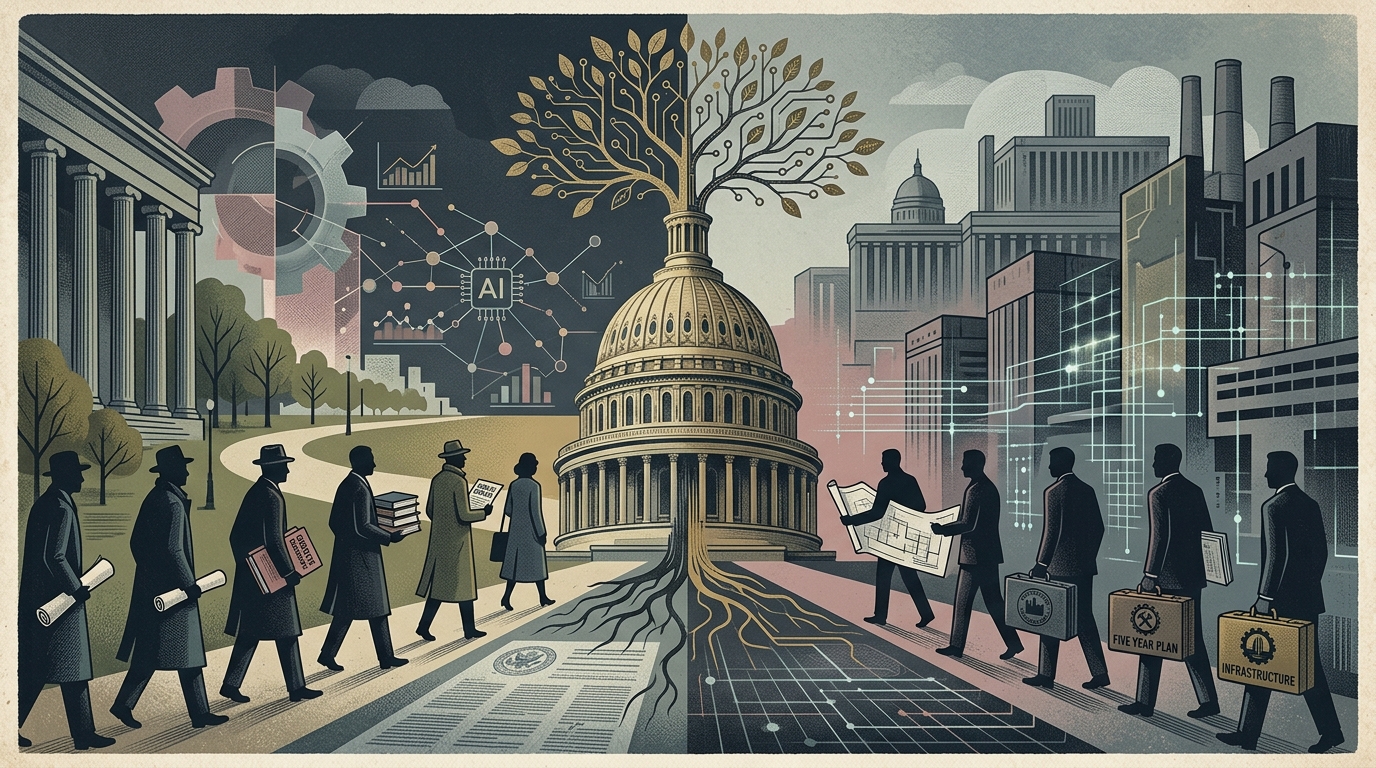
The stock market of 2026 feels remarkably like the glory days of 1999, albeit with a digital upgrade. Artificial Intelligence (AI) is no longer just a promising technology; it is the engine propelling the S&P 500 and Nasdaq to historic heights. However, beneath the surface of this euphoria, seasoned analysts and institutional investors are beginning to sound the alarm. The recent analysis by The Motley Fool, expressing sharp caution toward "red hot" AI stocks, is not an isolated voice but the beginning of a broader reassessment of real value versus speculative expectation.
The Trap of Irrational Valuations
The primary argument against the current AI stock mania centers on valuations. When we see companies trading at price-to-earnings (P/E) ratios exceeding 80 or 100, we enter a territory where perfection is already priced in. At this level, any minor miss in quarterly earnings or a slight slowdown in growth can trigger a violent correction. History has taught us that technological progress does not always translate into immediate shareholder gains. Cisco and Intel were the masters of internet infrastructure in 2000, yet their stocks took decades to recover from the dot-com crash, despite the internet indeed changing the world.
Today, Nvidia, Microsoft, and Alphabet lead the race, but competition is intensifying. The "golden age" of H100 chips and their successors may be approaching a saturation point as Big Tech firms (Hyperscalers) begin developing their own custom silicon to reduce dependency. This shift from buying off-the-shelf solutions to internal production could squeeze the profit margins of today's market champions. Investors often forget that in a gold rush, the shovel-sellers thrive first, but eventually, the market becomes flooded with shovels.
The Hidden Costs: Infrastructure and Energy
One factor frequently overlooked by enthusiastic retail investors is the staggering operational cost of AI. Training Large Language Models (LLMs) requires astronomical amounts of energy and water resources for data center cooling. As governments worldwide tighten environmental regulations, the cost of the "green" transition for AI firms will be substantial.
- Data center electricity demand is projected to double by 2028.
- The cost of maintaining AI infrastructure is rising faster than the revenue generated by its applications.
- A shortage of specialized talent is driving a wage war that eats into corporate cash reserves.
Geopolitics and the Regulatory Landscape
Beyond financial metrics, AI stocks are deeply exposed to geopolitical tensions. The "chip war" between the US and China is not merely a trade dispute but a battle for 21st-century technological supremacy. Export restrictions on advanced technology directly impact the revenues of giants like AMD and Nvidia. Furthermore, the European Union, with its AI Act, is setting strict boundaries on the use and development of algorithms, which could limit the ability of companies to capitalize on user data in the same way they have in the past.
In this environment, the "wait and see" strategy proposed by some analysts appears prudent. Instead of chasing FOMO (Fear Of Missing Out), investors should look for companies using AI to improve productivity in traditional sectors, rather than those simply selling the "promise" of AI without a clear business model. The true value of the technology will emerge when the marketing dust settles and only those who can demonstrate sustainable profitability remain standing.
Conclusion: AI as a Marathon, Not a Sprint
The fact that many analysts refuse to touch AI stocks at this stage is not a vote of no confidence in the technology itself, but in its current pricing. Artificial Intelligence will change the world, but the path to that change will be littered with burst bubbles and vanished companies. Investment discipline requires recognizing when the market has outpaced reality. As Warren Buffett famously noted, "only when the tide goes out do you discover who has been swimming naked." In the case of AI, the tide of liquidity is still high, but the clouds on the horizon warn of an impending storm.