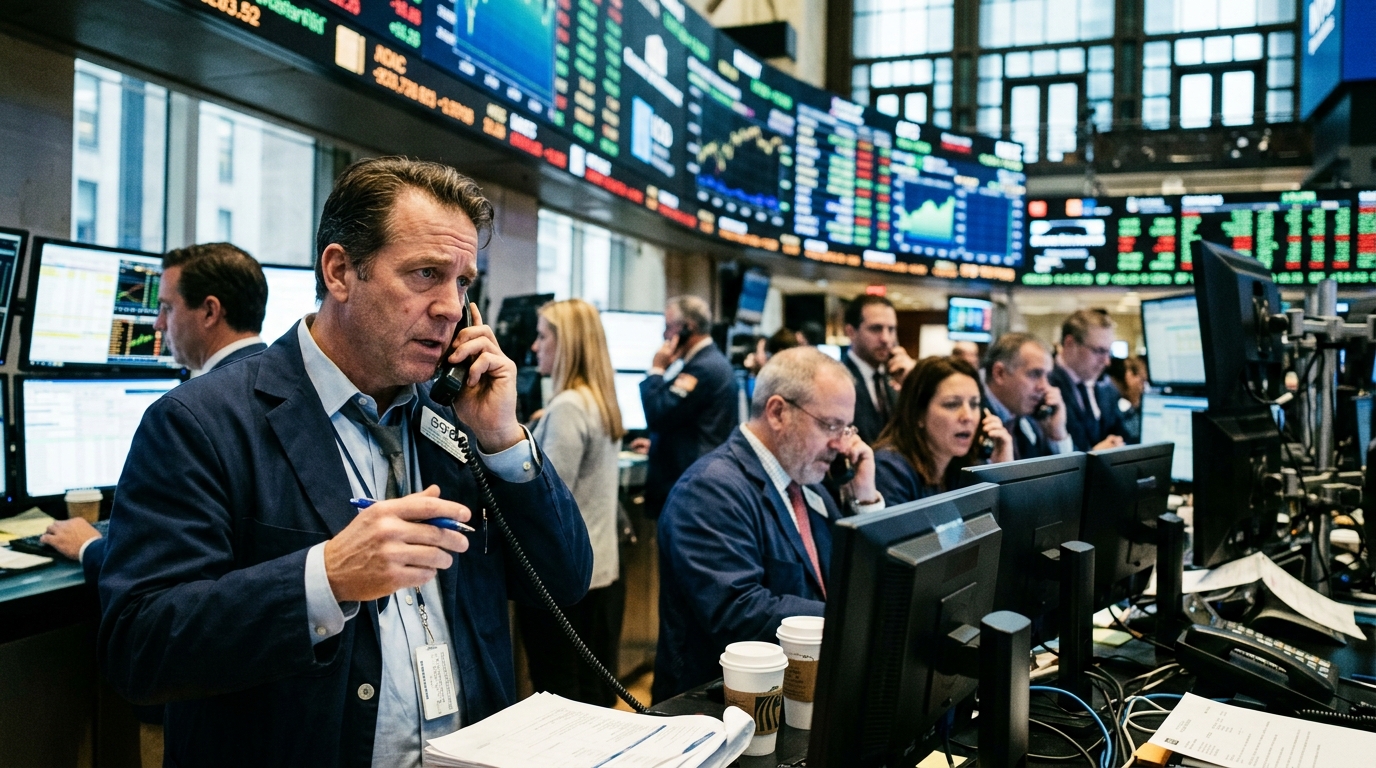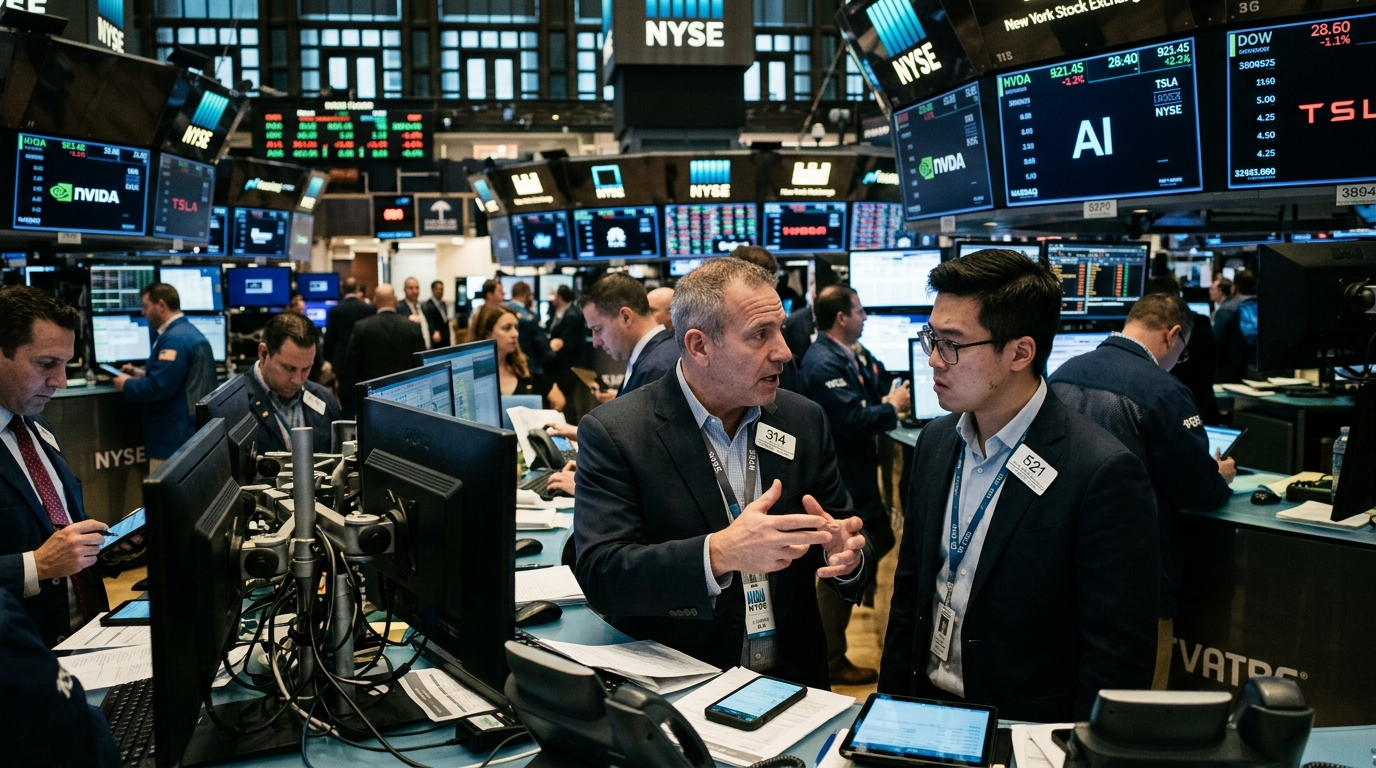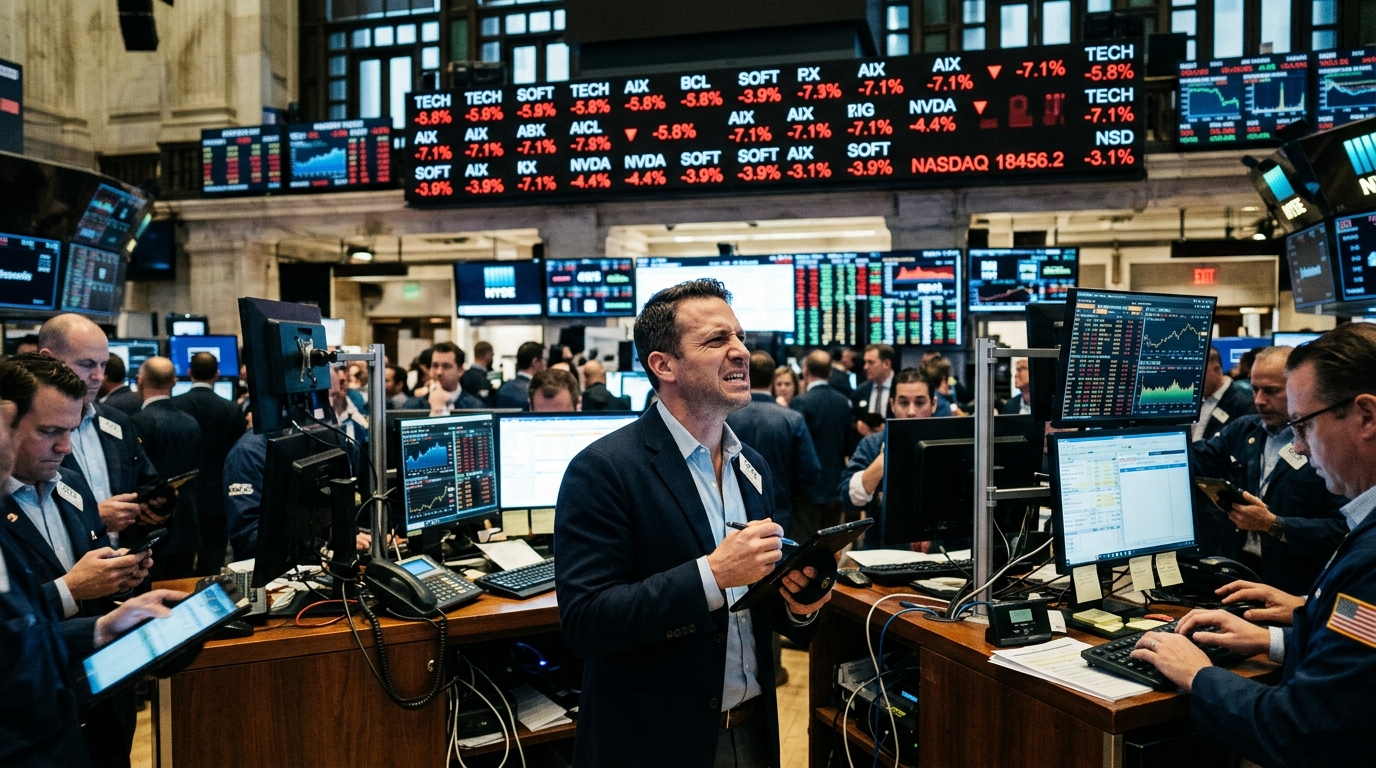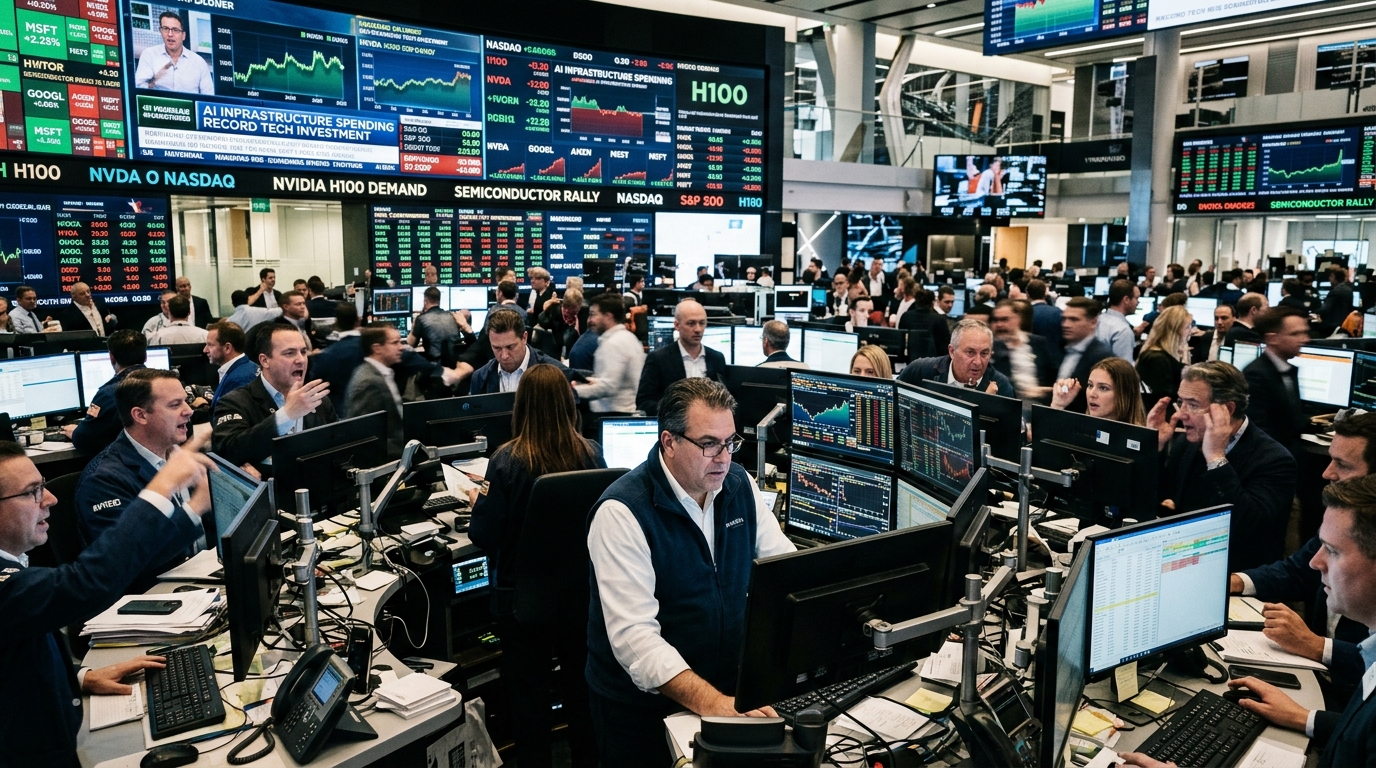
The global technology landscape is currently engulfed in an unprecedented financial frenzy. According to the latest figures, spending on Artificial Intelligence (AI) has reached levels that defy historical precedent, with Microsoft, Google, Meta, and Amazon leading an arms race that shows no signs of slowing down. What began as an effort to integrate smart algorithms has evolved into a massive restructuring of global capital expenditure (CapEx), with the question of return on investment (ROI) now looming ominously over Wall Street.
The Architecture of Excess: Data Centers and Chips
2024 and the first quarter of 2026 have confirmed that AI is not merely a software play, but a heavy industrial undertaking. "Big Tech" companies have announced budgets collectively exceeding $200 billion annually for infrastructure alone. The lion's share of this capital is flowing into Nvidia’s high-end processors and the construction of colossal data centers. These facilities, often described as the "cathedrals of the new era," require not only billions in hardware but also unprecedented amounts of electricity to function.
The shift toward AI has fundamentally altered how investors value technology firms. In the past, profitability was built on asset-light software models with high margins. Today, success is increasingly tethered to the possession of "physical capital." Owning 100,000 GPUs is now seen as the ultimate competitive moat, despite the fact that the costs of maintaining and cooling these systems can erode short-term earnings. This transition marks a return to a more industrial form of capitalism, where the scale of one's hardware determines their market dominance.
The FOMO Dilemma and Shareholder Pressure
Why do these companies continue to spend at such a breakneck pace, despite warnings of a potential "bubble"? The answer lies in the Fear Of Missing Out (FOMO). In Silicon Valley boardrooms, the prevailing consensus is that the risk of under-investing far outweighs the risk of over-investing. If a company stops spending today, it risks being excluded from the next great technological revolution, much like those who ignored cloud computing or mobile internet in previous decades.
However, shareholder patience is beginning to wear thin. During recent earnings calls, analysts have pressed CEOs to present concrete revenue streams derived directly from Generative AI. While Microsoft and Alphabet report growth in cloud revenues, much of this uptick appears driven by experimental enterprise applications rather than widespread commercial adoption that justifies the $100+ billion price tag. The market is demanding a transition from the "build it and they will come" phase to the "show me the money" phase.
The Energy Crisis and Geopolitical Footprint
Beyond the financial metrics, the AI spending explosion has triggered a secondary crisis: a desperate hunt for energy. Data centers now consume percentages of the power grid equivalent to entire nations. This has forced tech giants into unprecedented deals with nuclear power plants and massive investments in renewable energy, effectively turning them into energy market players. The voracious appetite for power and semiconductors also has deep geopolitical implications, as the US and China vie for control over the supply chains that fuel these digital brains.
In conclusion, we are in a phase of "creative destruction." Capital is flowing abundantly toward a technology that promises to change everything, yet the path to sustainable profitability remains shrouded in mist. The next 18 months will be decisive in determining whether these record-breaking investments will bear fruit or be recorded in history as one of the largest capital misallocations of the 21st century.