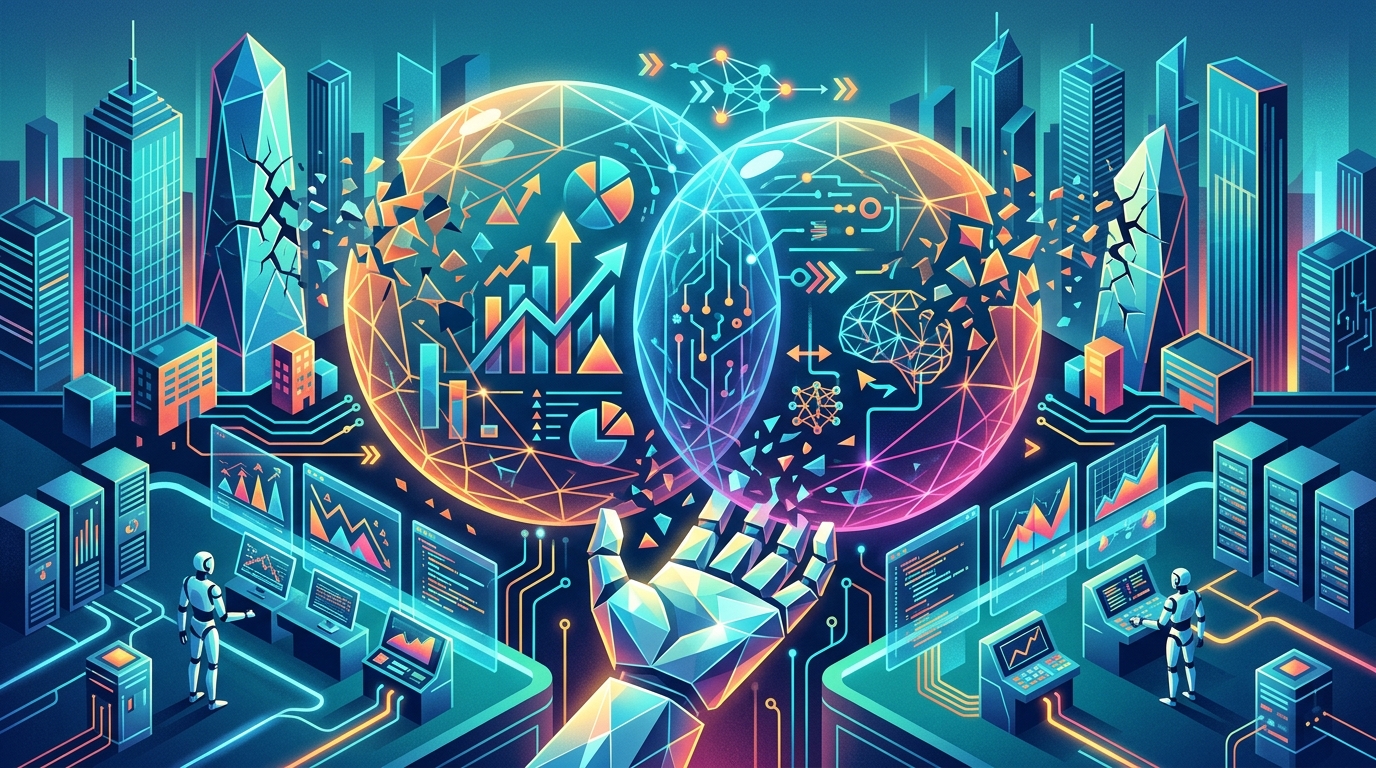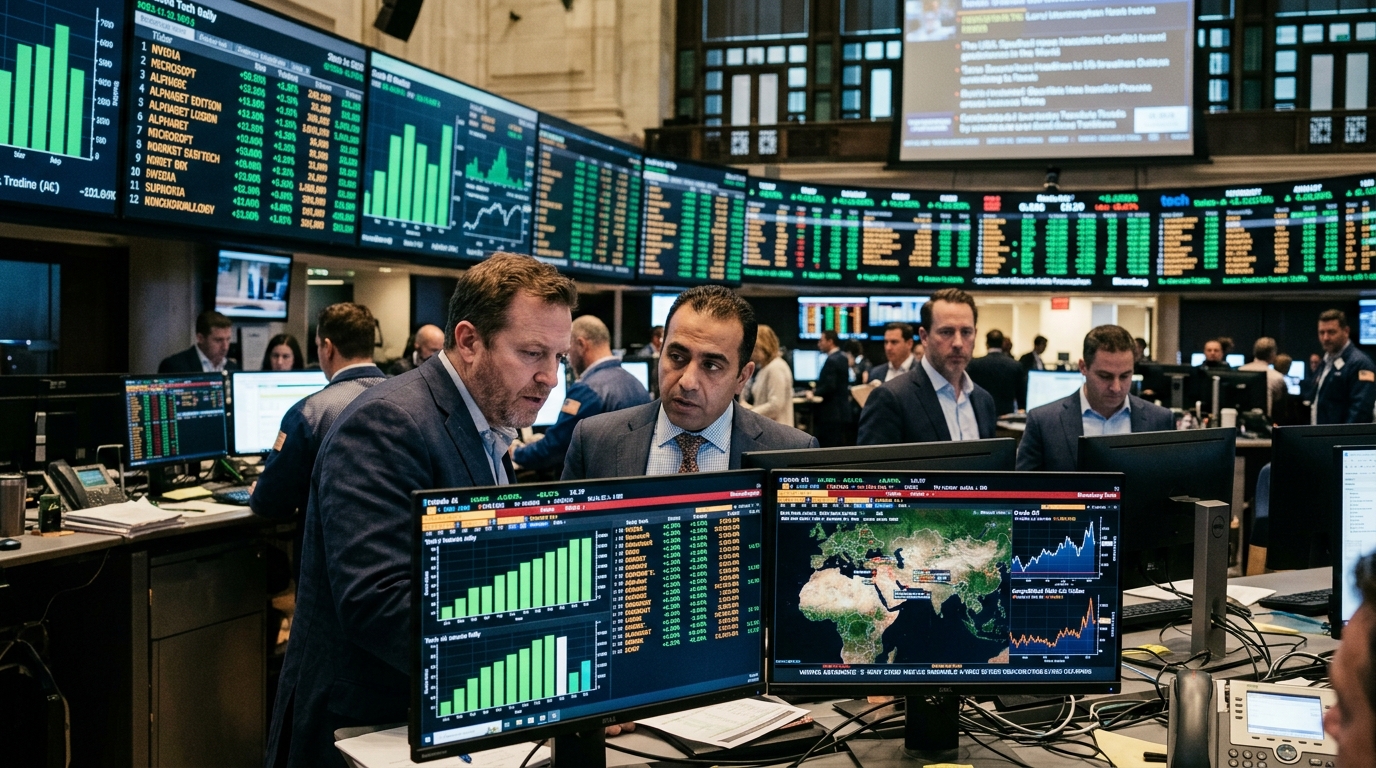
In an era where history seems to repeat itself with Middle Eastern conflicts threatening global energy stability, international capital markets appear to have found a new, more potent "haven." Artificial Intelligence (AI) is no longer just a technological trend; it is an economic juggernaut that has added over $4.1 trillion to the market capitalization of tech giants, acting as a sort of "digital shield" against traditional geopolitical risks.
The Decoupling of Markets from Geopolitical Reality
Historically, any flare-up in the Middle East led to an immediate drop in indices and a spike in oil prices. However, 2026 is recording a remarkable deviation. While diplomatic balances hang by a thread, investors are channeling capital at an unprecedented rate into semiconductor companies and cloud infrastructure providers. The surge of Nvidia, Microsoft, and Alphabet has created such momentum that fears of supply chain disruptions through the Strait of Hormuz seem secondary.
According to analysts, this "immunity" stems from the belief that AI will usher in a productivity revolution that will outweigh any short-term economic damage from rising energy costs. It is a bold premise: the promise of algorithmic wealth is more attractive than the fear of geopolitical collapse.
The Role of "Supra-Sovereign" Corporations
The $4.1 trillion rally is not evenly distributed. It is concentrated in an elite group of companies that now possess market caps larger than the GDP of entire nations. These entities now function as independent geopolitical players. When Apple or Meta announce new AI models, the impact on global capital flows is often more immediate than an OPEC+ decision.
- The dominance of semiconductors as the "new oil" of the global economy.
- The shift of institutional investors from traditional safe havens (gold, bonds) to high-growth tech stocks.
- The belief that AI will accelerate the energy transition, reducing long-term dependence on Middle Eastern oil.
"We are not just seeing a bubble or a rally. We are seeing a re-evaluation of what constitutes risk in the 21st century. For the market, a lack of access to chips is more dangerous than volatility in crude oil prices," says a leading Wall Street strategist.
Risks Beneath the Surface
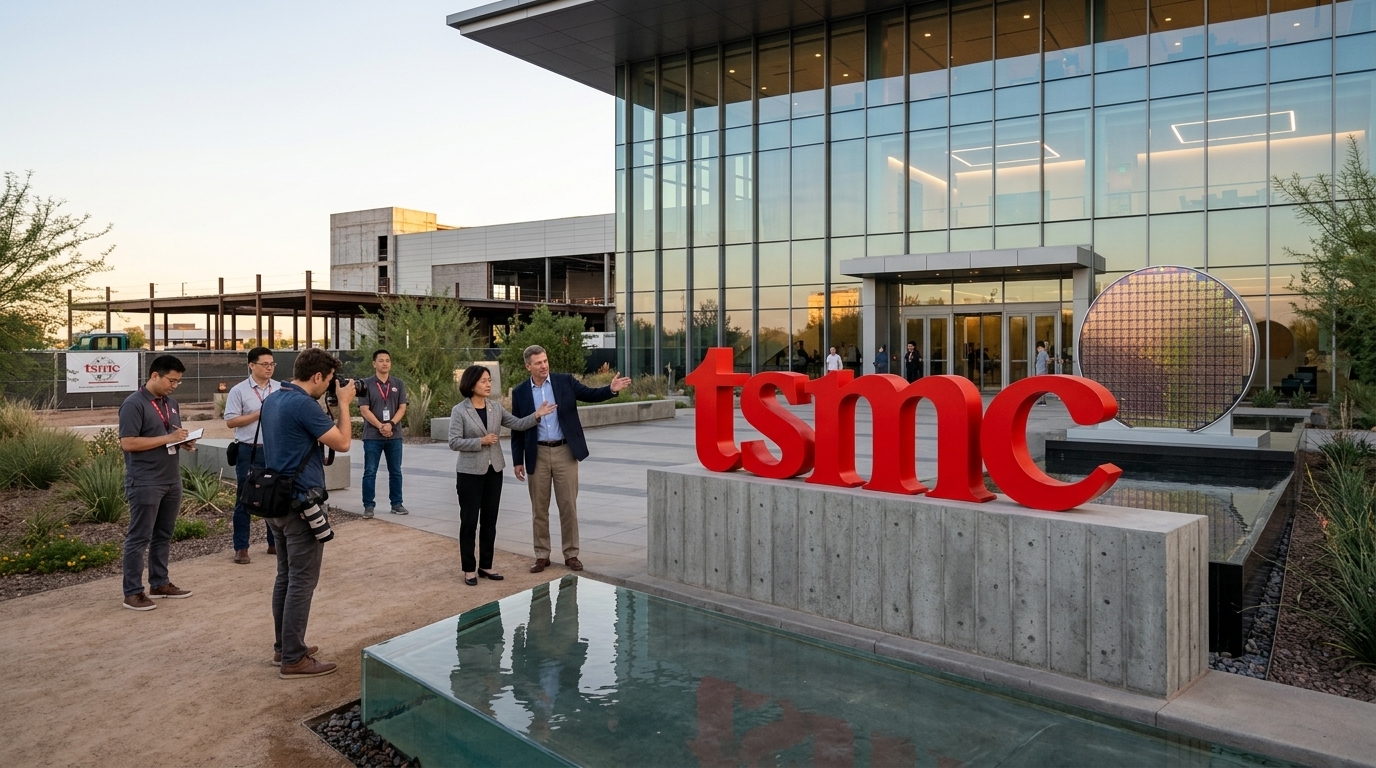
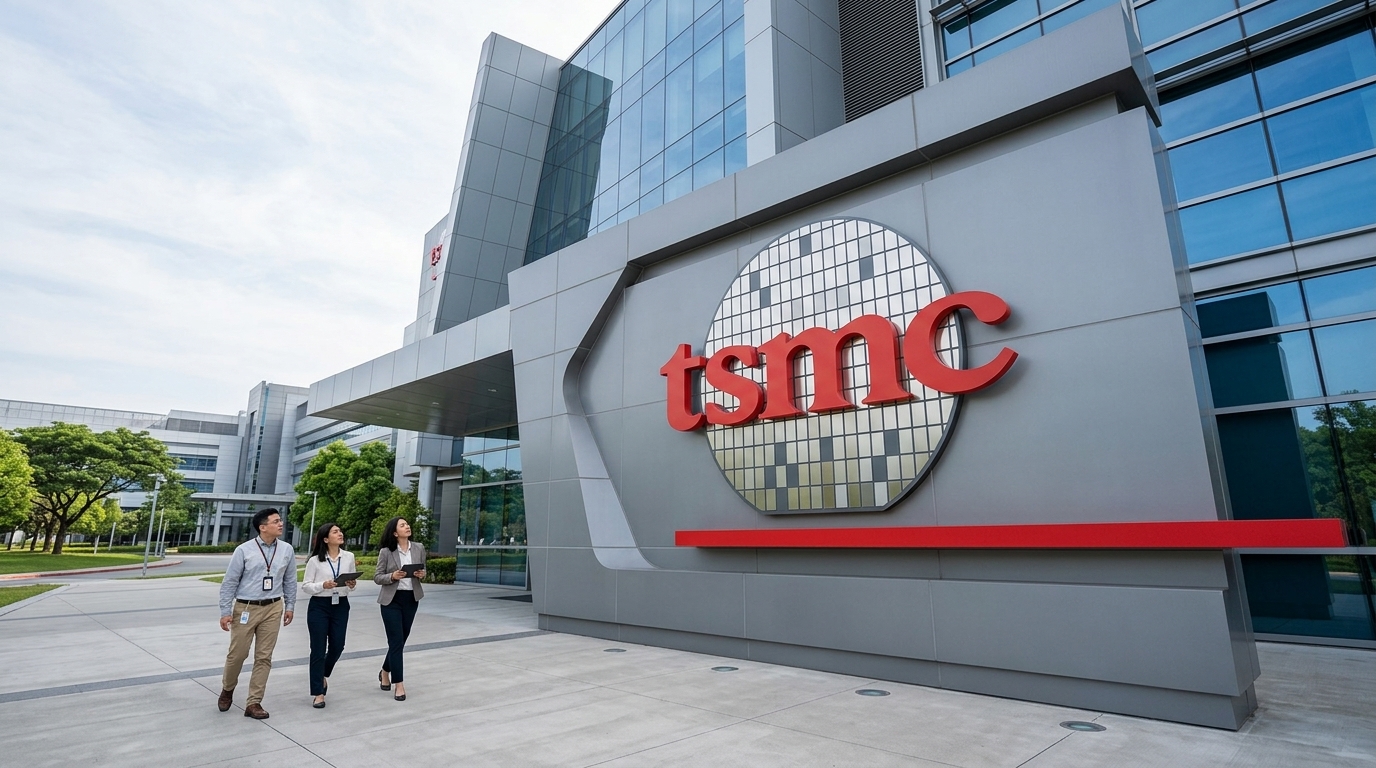
However, this optimism carries inherent risks. The concentration of wealth and power in a few technological hubs creates a new form of vulnerability. If the geopolitical crisis expands to regions critical for chip production, such as Taiwan, the AI narrative could collapse overnight. The market seems to be betting that technology can transcend borders, but the physical infrastructure of AI remains tethered to geography.
Furthermore, the social dimension of this market "indifference" is concerning. While indices thrive, humanitarian crises worsen. The decoupling of economic value from human security in the Middle East highlights a cynical side of modern capitalism: as long as algorithms generate profits, the "noise" of war is treated as merely an external variable to be managed.
Conclusion: A New Hierarchy of Priorities
The $4.1 trillion rally marks the end of an era where the Middle East was the primary regulator of the global economic climate. Today, Silicon Valley and its data centers have taken the reins. Artificial Intelligence has become the new global currency of power, and as long as its promise remains vibrant, markets will continue to look toward the future, pointedly ignoring the fires of the present. The question remains: is this stance a sign of resilience or a dangerous illusion?