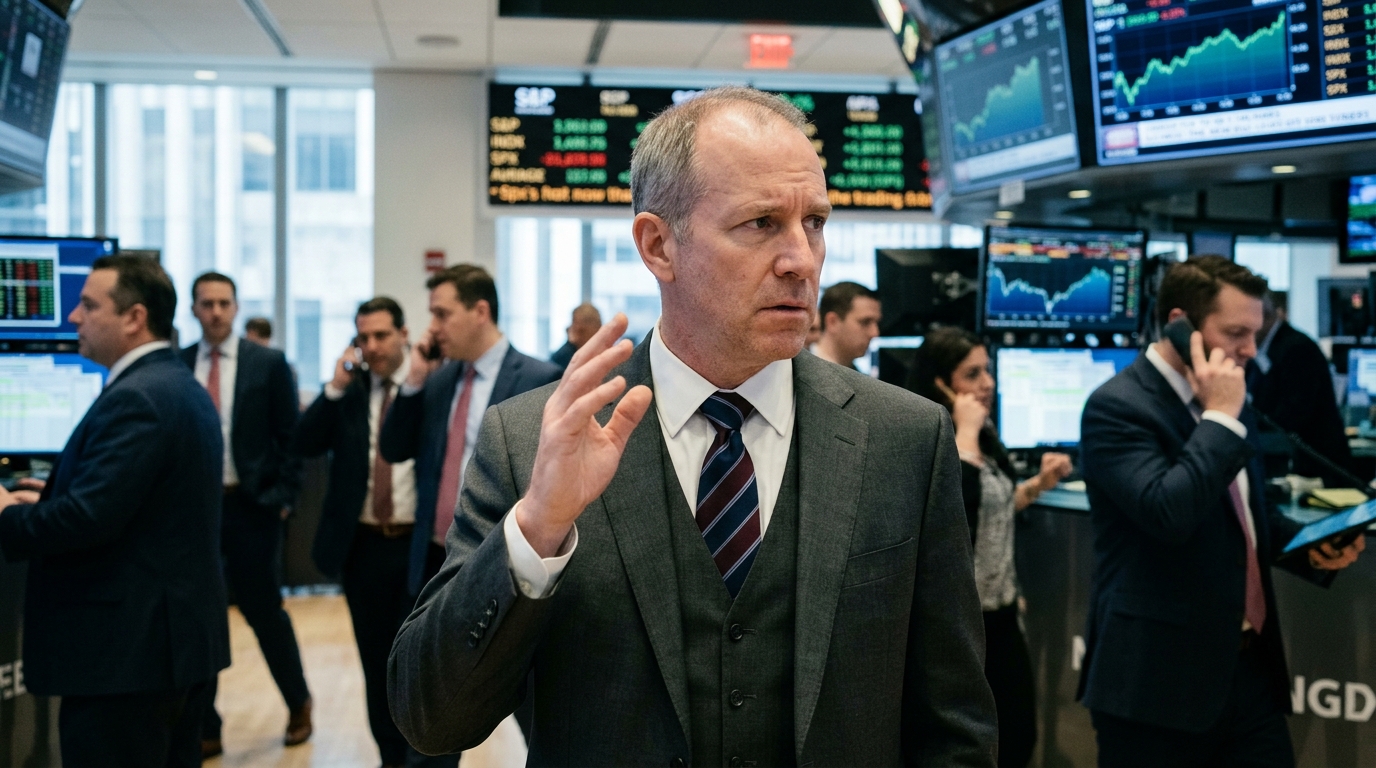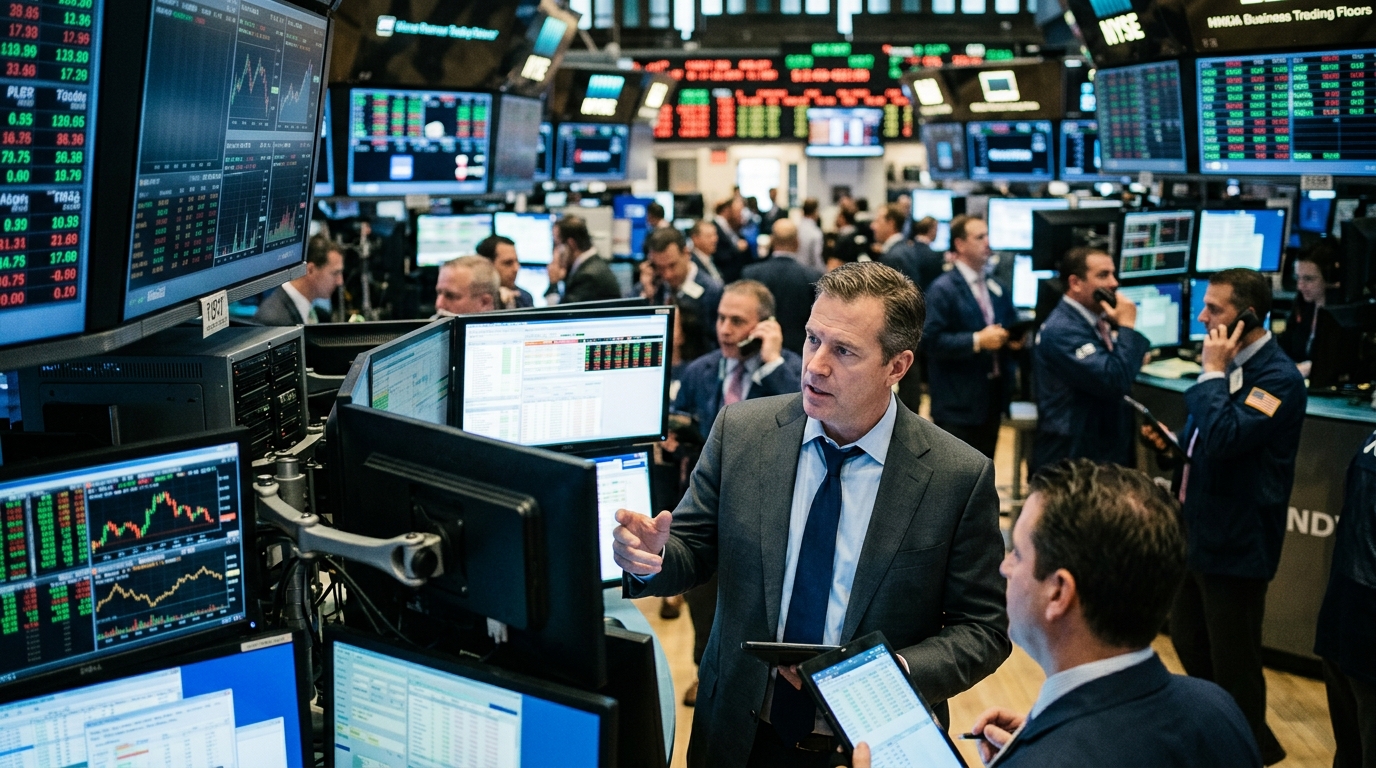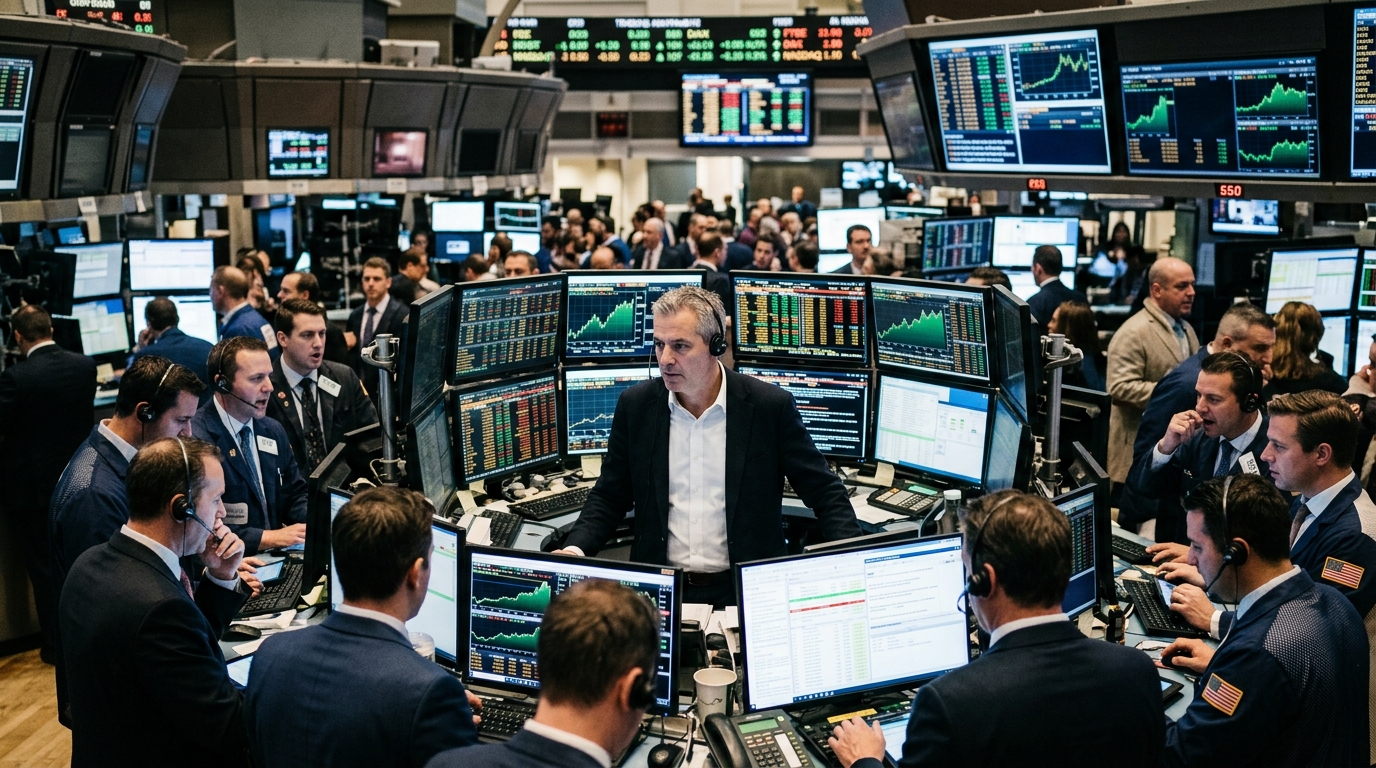
On April 22, 2026, the global financial community finds itself at a critical crossroads. While geopolitical tensions in the Middle East, specifically the crisis involving Iran, threatened to plunge markets into a prolonged period of uncertainty and recession, an unexpected "deus ex machina" appears to be changing the narrative: Artificial Intelligence (AI). According to Vivian Lin Thurston, Portfolio Manager at William Blair, the initial shock of the war seems to be receding, as the explosive profitability of companies leading the AI revolution acts as a powerful counterweight.
The Resilience of the "Silicon Shield"
Thurston, speaking on Bloomberg's "The China Show," emphasized that markets are demonstrating a remarkable ability to "look past" traditional geopolitical crises. Historically, a conflict in the heart of oil-producing regions would have triggered a massive exit from risk assets. However, in 2026, the dynamics have shifted. Artificial Intelligence is no longer a future promise but an immediate driver of profitability reshaping the balance sheets of tech giants.
William Blair's analysis suggests that the fundamentals of AI companies are so robust that they are overshadowing fears regarding energy prices or supply chain disruptions. This phenomenon, which many analysts call the "Silicon Shield," suggests that the global economy is becoming less dependent on traditional resources and more on computational power and software innovation.
From Oil to Chips: A Structural Shift
One of the most interesting points of Thurston's intervention is the observation that the AI cycle is in a phase of "earnings acceleration." While the war in Iran caused a momentary spike in crude oil prices, the market reacted with composure, focusing on the quarterly results announcements of major tech players. Demand for AI infrastructure, semiconductors, and cloud services remains at record levels, providing a safety valve for investor capital.
- The market has priced in geopolitical risk faster than expected.
- Tech sector earnings are acting as a "safety net" for indices.
- Portfolio diversification toward AI reduces exposure to commodity fluctuations.
This shift suggests that the global market no longer reacts one-dimensionally to crises. AI's ability to generate efficiency and reduce costs across multiple sectors—from healthcare to finance—creates a new foundation of economic stability that does not rely solely on geopolitical tranquility.
The William Blair Strategy and the Future
William Blair suggests a cautious but optimistic approach. Thurston notes that while the worst of the shock may have passed, stock selection remains critical. Not all tech companies will benefit equally. The emphasis is on those that have already begun to "monetize" AI applications, turning technology into actual revenue.
"The market has learned to separate the noise of geopolitical conflicts from the substance of technological progress. Artificial Intelligence is the engine keeping the train on the tracks, even when the ground is shaking," the analysis notes.
However, challenges remain. Thurston points out that the US-China relationship and technology export restrictions remain an unpredictable factor. As AI becomes the new "oil" of the global economy, control over semiconductor supply chains will be the next field of geopolitical confrontation, perhaps more critical than control over the Strait of Hormuz.
Conclusion: A New Economic Reality
In conclusion, William Blair's analysis highlights a historic change in market behavior. Artificial Intelligence is not just an investment sector but a systemic stabilizer. While the war in Iran serves as a tragic reminder of human and geopolitical fragility, the economic engine of 2026 seems to have found a new way to maintain its momentum. The challenge for investors now is not only to avoid conflict zones but to understand how digital intelligence will continue to shield global growth against the crises of the physical world.