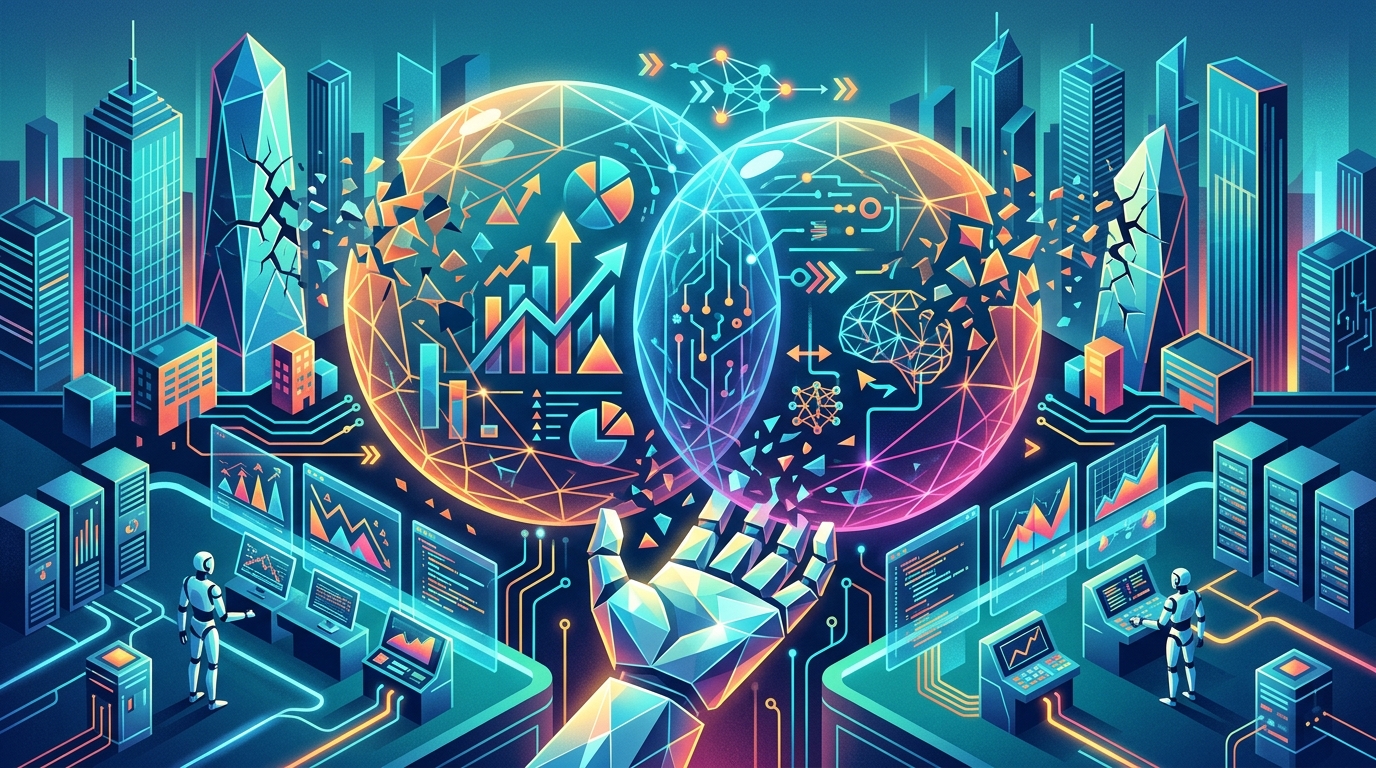
Conventional wisdom in the worlds of technology and finance dictates that automation is, by its very nature, deflationary. When machines perform work faster and cheaper than humans, production costs drop, and consumer prices typically follow suit. However, as the Artificial Intelligence (AI) revolution moves from theory to practice, a growing cohort of economists is beginning to sound the alarm on the exact opposite outcome: 'AI-driven inflation.'
The Capex Explosion and Resource Scarcity
The first and most immediate reason AI could fuel inflation is the unprecedented demand for infrastructure. Building and operating Large Language Models (LLMs) requires massive quantities of specialized semiconductors, primarily from Nvidia, and the construction of gargantuan data centers. This has sparked an arms race among tech giants, with capital expenditures (CapEx) skyrocketing into the hundreds of billions of dollars.
This massive influx of capital into the market creates intense pressure on supply chains. When Microsoft, Google, and Amazon compete for the same construction materials, the same plots of land for data centers, and the same specialized engineers, prices inevitably rise. This phenomenon is not confined to the tech sector; it spills over into the broader economy as these resources are diverted from other productive activities, creating bottlenecks elsewhere.
Energy Costs and the Green Transition
Perhaps the most critical factor in the AI inflation equation is energy. AI is exceptionally power-hungry. A single query to ChatGPT consumes roughly ten times more electricity than a standard Google search. As AI usage becomes ubiquitous, the demand for power is expected to reach levels that current electrical grids are ill-equipped to handle.
This surge in demand comes at a time when the world is attempting to transition to cleaner energy sources, which often involve higher upfront costs. Pressure on energy grids translates to higher utility bills for both businesses and households. As many analysts point out, if AI leads to energy shortages or the need for a rapid build-out of new power plants, these costs will be passed on to consumers, fueling inflation in both services and physical goods.
Labor Markets and the Productivity Paradox
While AI promises to boost productivity in the long run, in the short term, it can cause significant labor market tightness in specific sectors. The demand for individuals capable of developing and managing AI systems has led to explosive wage increases for an elite tier of workers. These hikes can create a 'demonstration effect,' where wage expectations rise across the board, even before productivity gains have actually materialized for the wider economy.
Furthermore, there is the so-called 'productivity paradox.' Historically, new technologies take decades to translate into real efficiency gains that lower prices. During this adjustment period, businesses invest massive sums without seeing an immediate return on investment (ROI), forcing them to maintain or even raise prices to recoup their initial capital outlays.
Market Psychology and the Wealth Effect
Finally, the impact of the stock market rally cannot be underestimated. AI-driven euphoria has pushed tech stocks to record highs, significantly increasing investor wealth. This 'wealth effect' encourages higher spending on luxury goods and services, keeping demand elevated and preventing central banks from lowering interest rates. In essence, AI might be making the economy 'too hot,' causing inflation to remain above the 2% target for much longer than previously anticipated.
Conclusion: A Double-Edged Sword
The narrative that AI is a silver bullet for economic efficiency is being challenged by the reality of its implementation. While the long-term outlook remains potentially disinflationary, the 'transition phase'—which could last a decade—looks increasingly expensive. Policymakers and central bankers must now weigh the benefits of AI growth against the very real risk that it will keep the cost of living higher for longer.