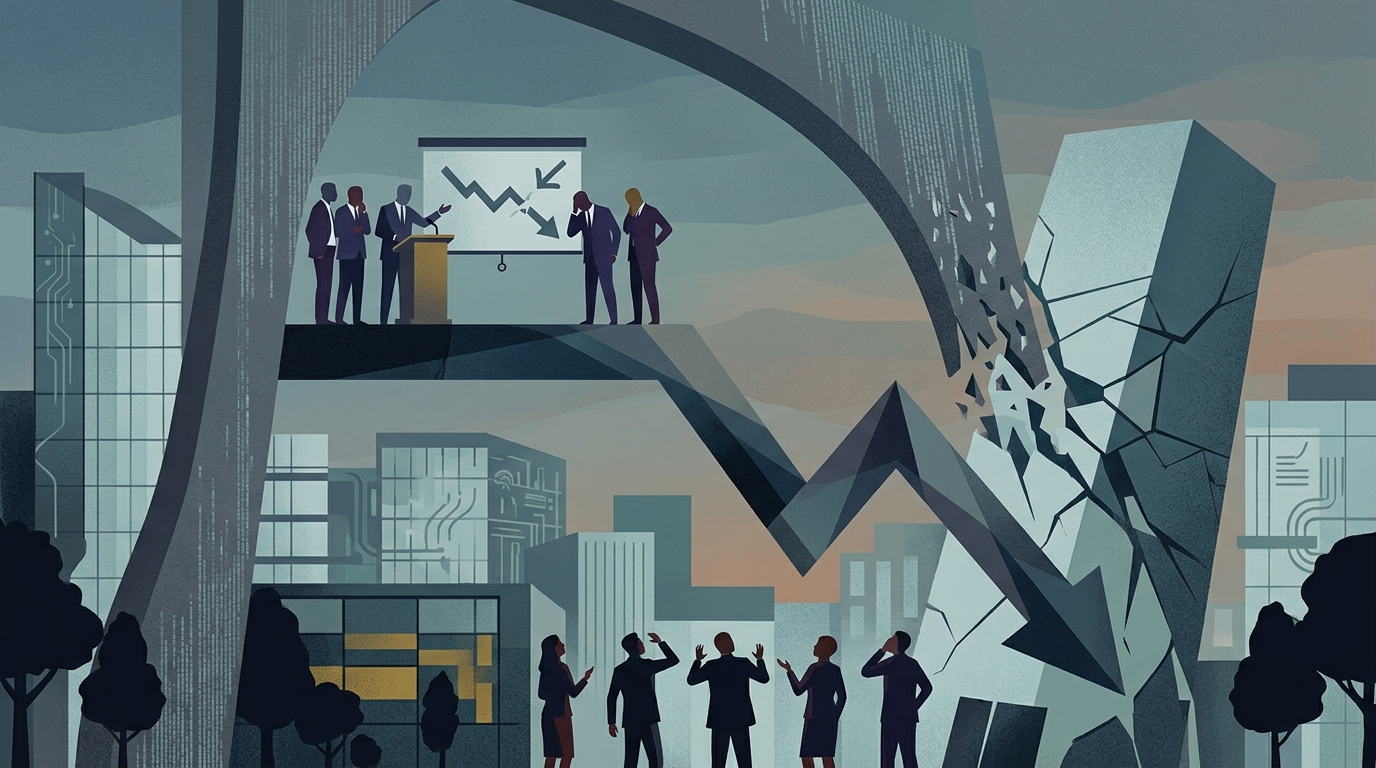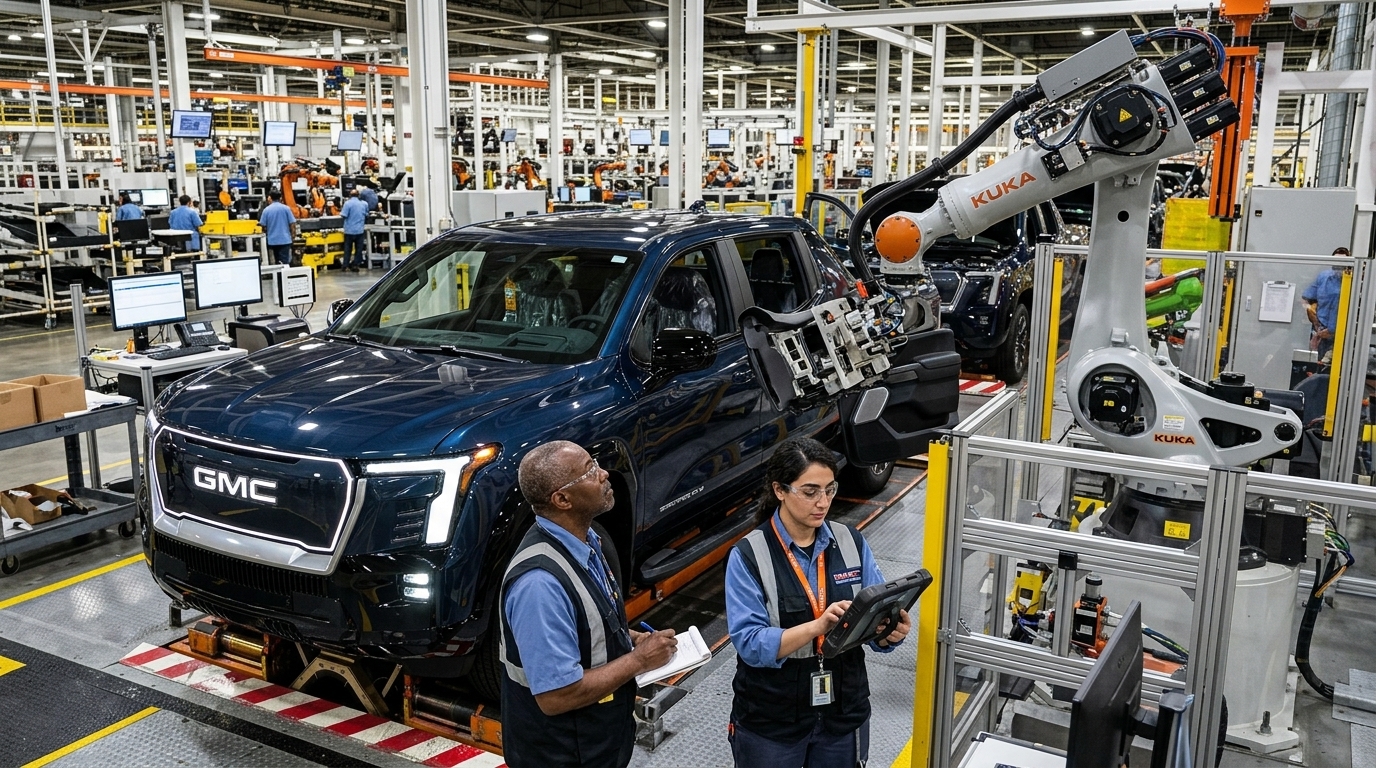
The landscape of the American automotive industry is shifting beneath our feet, and with it, the social contract that sustained the middle class in the Rust Belt for generations. General Motors (GM) has officially announced the full-scale installation of advanced robotic systems at its flagship Electric Vehicle (EV) plant. This move, coming on the heels of the layoff of 1,300 workers, is not merely a tactical business decision; it is the opening chapter of a new era where human presence on the assembly line is increasingly viewed as a relic of the past.
The Strategic Pivot and the Price of Efficiency
The transition to electric mobility necessitates a radical reimagining of manufacturing. EVs possess significantly fewer moving parts than internal combustion engine (ICE) vehicles, which inherently reduces the need for manual assembly labor. However, GM is pushing the envelope further by investing billions into AI-driven systems and robotic arms capable of operating 24/7 without fatigue, healthcare benefits, or the collective bargaining power of a union.
GM leadership contends that this pivot is essential for survival. Facing fierce competition from Tesla and the aggressive global expansion of Chinese manufacturers like BYD, the company argues that reducing per-unit production costs is the only way to remain viable. For the 1,300 workers who were recently handed their severance packages, the corporate logic offers little comfort. They are the first wave of casualties in a war for technological dominance that prioritizes margins over manpower.
The Specter of the 'Dark Factory'
The concept of the "dark factory"—a facility so automated it requires no lights for human workers—is moving from the realm of science fiction into industrial reality. While GM’s flagship plant has not yet reached full darkness, the trajectory is undeniable. The United Auto Workers (UAW) union has sounded a dire warning, suggesting that the industry is hurtling toward a future where productivity gains are decoupled from human labor, leading to a massive concentration of wealth and the hollowing out of manufacturing towns.
"We aren't just seeing the modernization of a production line; we are witnessing the systematic devaluing of human labor," a UAW representative stated. "The promise of a 'Just Transition' to green energy is ringing hollow for the thousands who are being replaced by algorithms and steel arms."
The concern extends beyond job losses to the nature of the remaining work. Those few employees left on the floor are often relegated to "robot minders," roles that require specialized technical training but often lack the craftsmanship and agency associated with traditional automotive assembly.
Political Fallout and the Retraining Crisis
GM’s automation surge places the federal government in a precarious position. The administration has funneled billions in subsidies into the EV sector, justified by the promise of creating "good-paying, union jobs." When those subsidies result in the deployment of robots rather than the employment of citizens, the political narrative begins to fray. The demand for robust retraining programs has never been higher, yet the sheer velocity of AI advancement is outpacing the ability of educational institutions to adapt.
In states like Michigan, the political stakes are immense. Automation is no longer a distant threat debated in academic circles; it is a tangible force reshaping local economies. As GM serves as a bellwether for the broader economy, it forces a difficult question: How will a society structured around labor function when labor is no longer the primary driver of value?
Conclusion: Navigating the Robotic Frontier
The future of General Motors will be defined by its ability to balance technological innovation with social stability. While automation promises lower costs and higher precision, the human cost is a debt that eventually comes due. The industry stands at a crossroads. It can either utilize AI as a tool to augment human capability or continue down the path of total displacement. The latter risks a social backlash that could destabilize the very markets these companies seek to dominate. As the robots take their place on the line, the world watches to see if the human element can find a new way to matter.