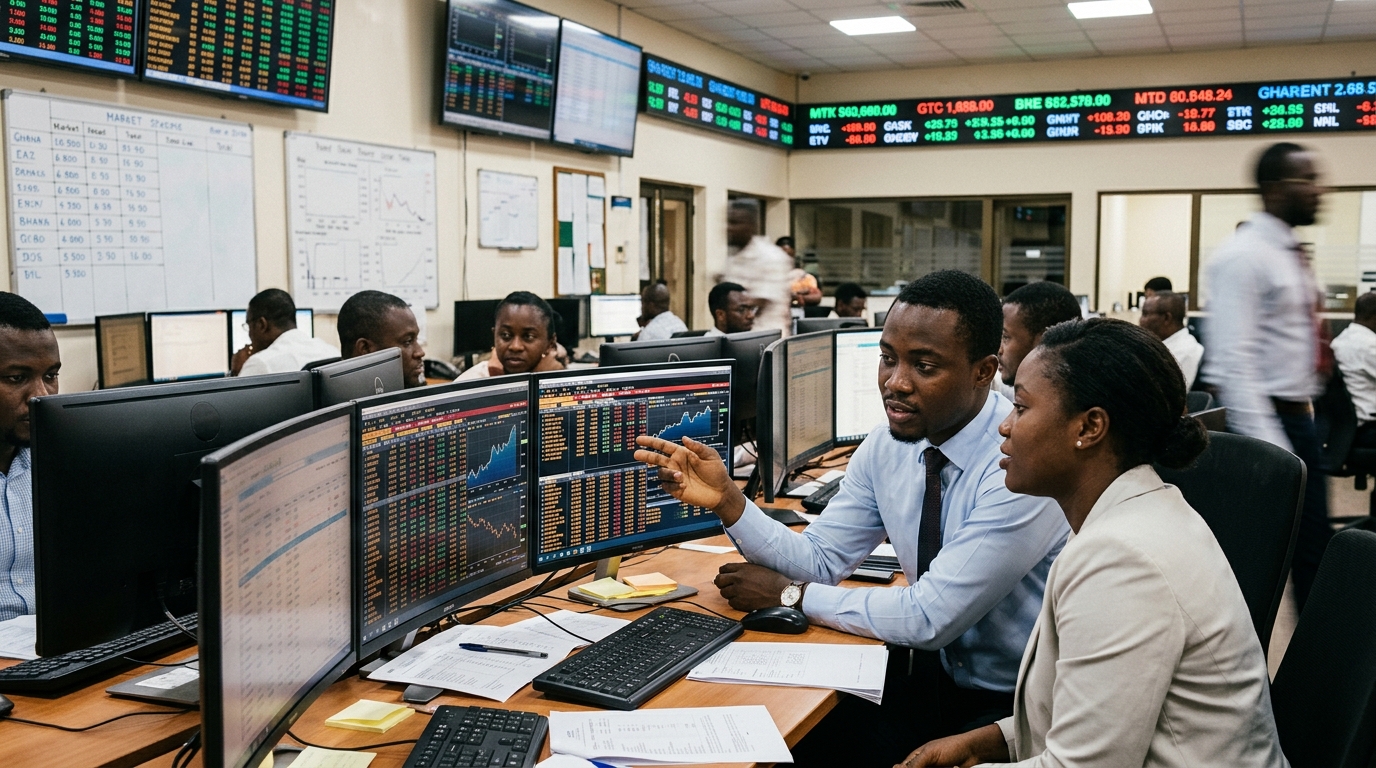
In the vibrant heart of Accra, where traditional open-air markets meet modern glass-and-steel office blocks, a new conversation is taking center stage: the advent of Artificial Intelligence (AI). For Ghana, a nation frequently hailed as West Africa’s beacon of democracy and a burgeoning tech hub, AI is no longer a distant sci-fi trope but a daily reality reshaping the labor market. The question looming over the Ghanaian economy is stark: Is AI a job killer or the ultimate catalyst for transformation?
The Specter of Displacement vs. Digital Reality
Concerns regarding job displacement are far from unfounded. In Ghana, as in many emerging economies, a significant portion of the workforce is engaged in roles characterized by routine tasks. Customer service centers, data entry operations, and basic administrative roles are the first to feel the impact of Large Language Models (LLMs) and automated systems. With youth unemployment remaining a critical political and social flashpoint, the prospect of AI replacing entry-level positions sends ripples of anxiety through the younger demographic.
However, a deeper analysis reveals a more nuanced picture. Ghana's economy is defined by a massive informal sector. For the street vendor or the local artisan, AI might seem irrelevant today, but for the middle class and university graduates, the competition with algorithms has already begun. The challenge lies in the fact that the pace of technological advancement often outstrips the educational system's ability to pivot, creating a skills gap that threatens to leave a substantial segment of the population behind.
Transformation as Opportunity: Agriculture and Fintech
Contrary to doomsday predictions, many experts view AI as the master key to unlocking productivity in vital sectors. Agriculture, the backbone of the Ghanaian economy, serves as the most prominent example. AI-driven 'precision agriculture' allows farmers to analyze soil data and weather patterns with unprecedented accuracy, significantly improving yields for cocoa and oil palm. In this context, AI isn't killing jobs; it is making labor more efficient and profitable, potentially attracting a new generation of 'agri-preneurs' back to the land.
In the Financial Technology (Fintech) sector, Ghana is already a continental leader. Integrating AI into mobile money platforms enables credit scoring for individuals who lack traditional banking histories. This fosters financial inclusion, which in turn generates new entrepreneurial opportunities and jobs that previously didn't exist. The transformation, therefore, is about creating a new ecosystem where human ingenuity and machine intelligence collaborate to solve localized challenges.
Infrastructure and Policy: The Keys to the Future
For AI to become a genuine driver of growth rather than a source of social unrest, Ghana must address structural bottlenecks. High energy costs and the instability of the power grid (locally known as 'dumsor') are significant hurdles for data center operations. Furthermore, the high cost of mobile data remains a barrier to entry for the average citizen seeking to utilize AI tools for self-improvement or business.
The Ghanaian government, in partnership with global giants like Google—which established its first African AI research center in Accra in 2019—must craft a robust national strategy. This strategy must prioritize workforce reskilling and the creation of a regulatory framework that protects labor rights without stifling innovation. STEM (Science, Technology, Engineering, and Mathematics) education is no longer a luxury; it is a fundamental requirement for the country's survival on the global digital map.
Conclusion: A Delicate Balance
The story of AI in Ghana is still being written. It is not a binary choice between catastrophe and triumph, but a complex process of adaptation. If the nation successfully harnesses AI to solve systemic issues in healthcare, education, and agriculture, the technology will act as a power multiplier. However, if left to market forces alone, the digital divide will likely deepen. Ghana possesses the talent and the ambition; it remains to be seen if it will have the foresight to steer this revolution toward collective prosperity.