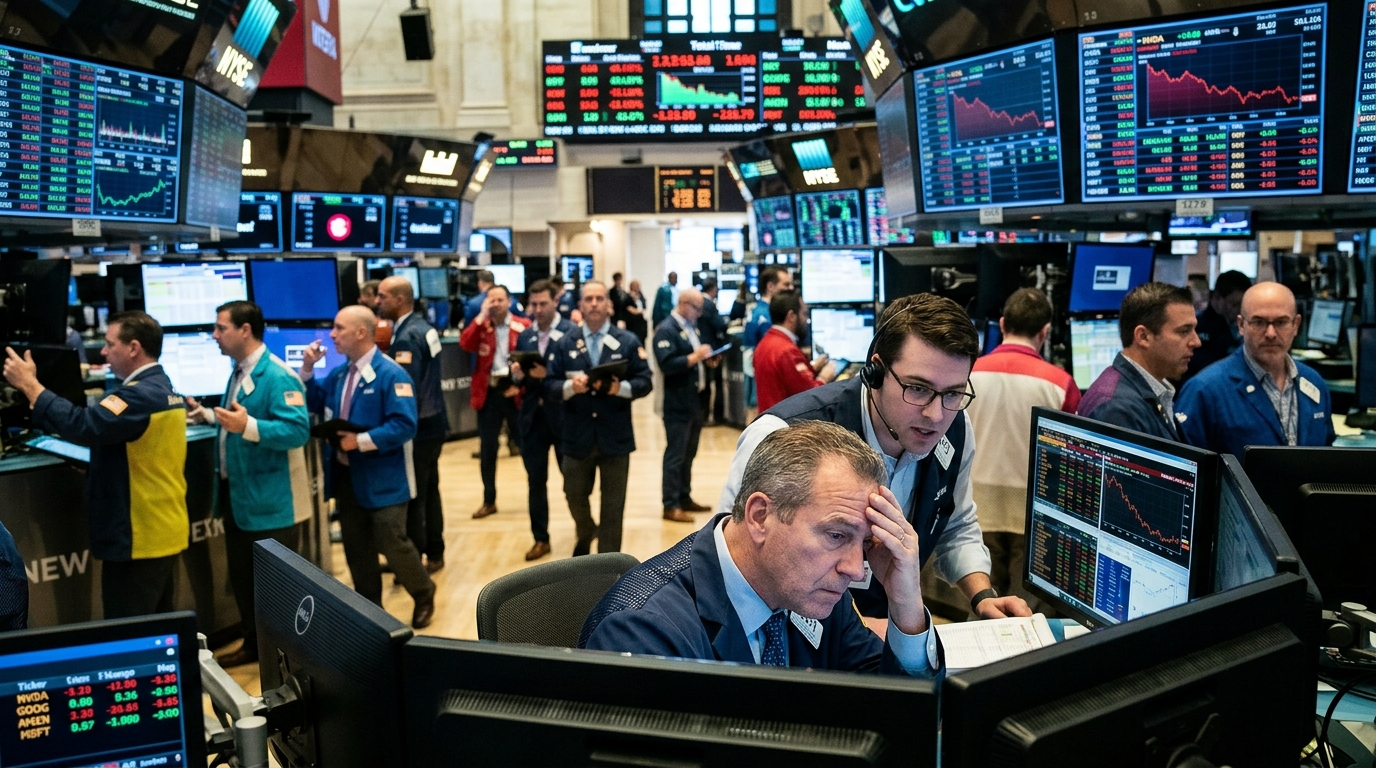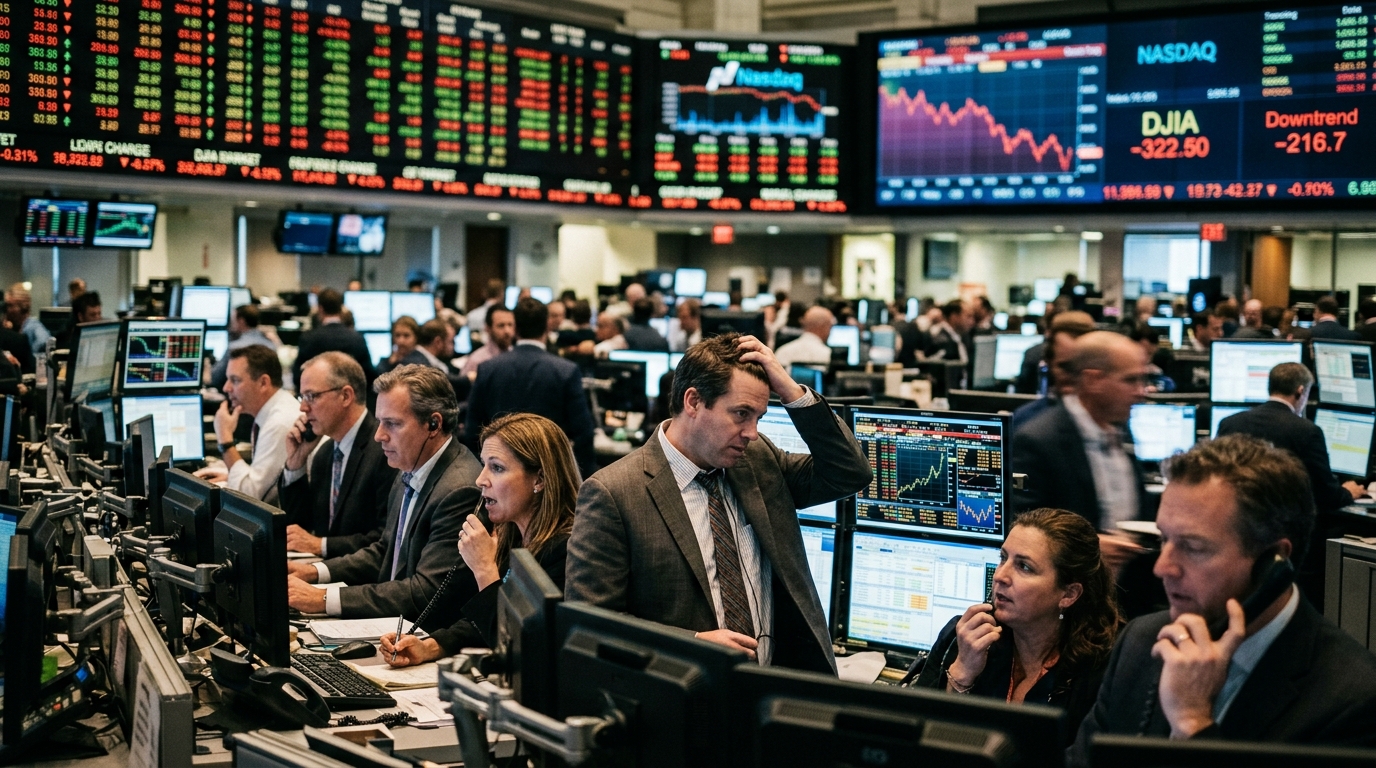
The history of financial markets is littered with cycles of irrational exuberance followed by sharp corrections. From the Tulip Mania of the 17th century to the Dot-com crash of 2000, the pattern is familiar: a revolutionary technology promises to change the world, capital flows in unchecked, valuations skyrocket, and finally, reality reasserts itself with violent force. Today, as Artificial Intelligence (AI) dominates every boardroom discussion and ticker tape, the question is no longer whether a bubble exists, but who will remain standing when it bursts.
The 'Picks and Shovels' Strategy Redefined
During the California Gold Rush of 1849, most prospectors ended up in ruin. Those who truly profited were the merchants who sold them the picks, shovels, and denim jeans. In the AI era, Taiwan Semiconductor Manufacturing Company (TSMC) is the ultimate tool provider. While companies like Nvidia design the world's most sophisticated processors, TSMC is the only entity on the planet with the technical expertise and infrastructure to manufacture them at scale.
TSMC is not merely a semiconductor company; it is the backbone of the global digital economy. It commands over 60% of the global foundry market and, more crucially, controls 90% of the production for advanced chips (7 nanometers and below). Without TSMC, there is no Nvidia, no Apple, no AMD, and by extension, no ChatGPT or any other frontier AI model.
Why TSMC is 'Bubble-Proof'
The primary argument for TSMC’s resilience lies in its customer diversification and the absolute necessity of its output. Even if the demand for Generative AI applications cools down temporarily, the need for more powerful processors in other sectors remains insatiable. Cloud servers, next-generation smartphones, autonomous vehicles, and advanced defense systems all rely on TSMC’s silicon.
- Technological Monopoly: The transition to 3nm and eventually 2nm nodes requires capital expenditures in the tens of billions—a pace that competitors like Intel and Samsung have struggled to match consistently.
- Financial Fortress: With profit margins that would be the envy of most software firms, TSMC has the ability to fund its massive expansion through its own cash flows, reducing reliance on high-interest debt.
- Agnostic Growth: The company doesn't bet on a single winner. Whether Nvidia continues its dominance or Apple designs its own in-house AI silicon, TSMC will be the one manufacturing the chips.
Geopolitical Risks and the 'Silicon Shield'
Of course, no investment is without risk. For TSMC, the primary threat is not economic, but geopolitical. Its location in Taiwan places it at the heart of the friction between the U.S. and China. Many analysts refer to the 'Silicon Shield,' arguing that global dependence on TSMC is so profound that it acts as a deterrent against military conflict. Nevertheless, the company is already diversifying its footprint with new fabrication plants (fabs) in Arizona, Japan, and Germany, easing investor fears regarding geographic concentration.
"In a world thirsty for data, TSMC is the sole owner of the keys to the well," notes a prominent Wall Street analyst.
Conclusion: Value in an Era of Excess
While many AI companies trade at earnings multiples based on speculative future promises, TSMC offers a rare combination: growth backed by tangible, indispensable products and a strategic position that is nearly impossible to replicate. Even if AI hype recedes, the humanity's digital transition is not going to reverse. TSMC is not just a player in the AI game; it is the stadium in which the game is played. For investors looking to weather a potential storm, focusing on the infrastructure that makes the revolution possible is the most logical path forward.