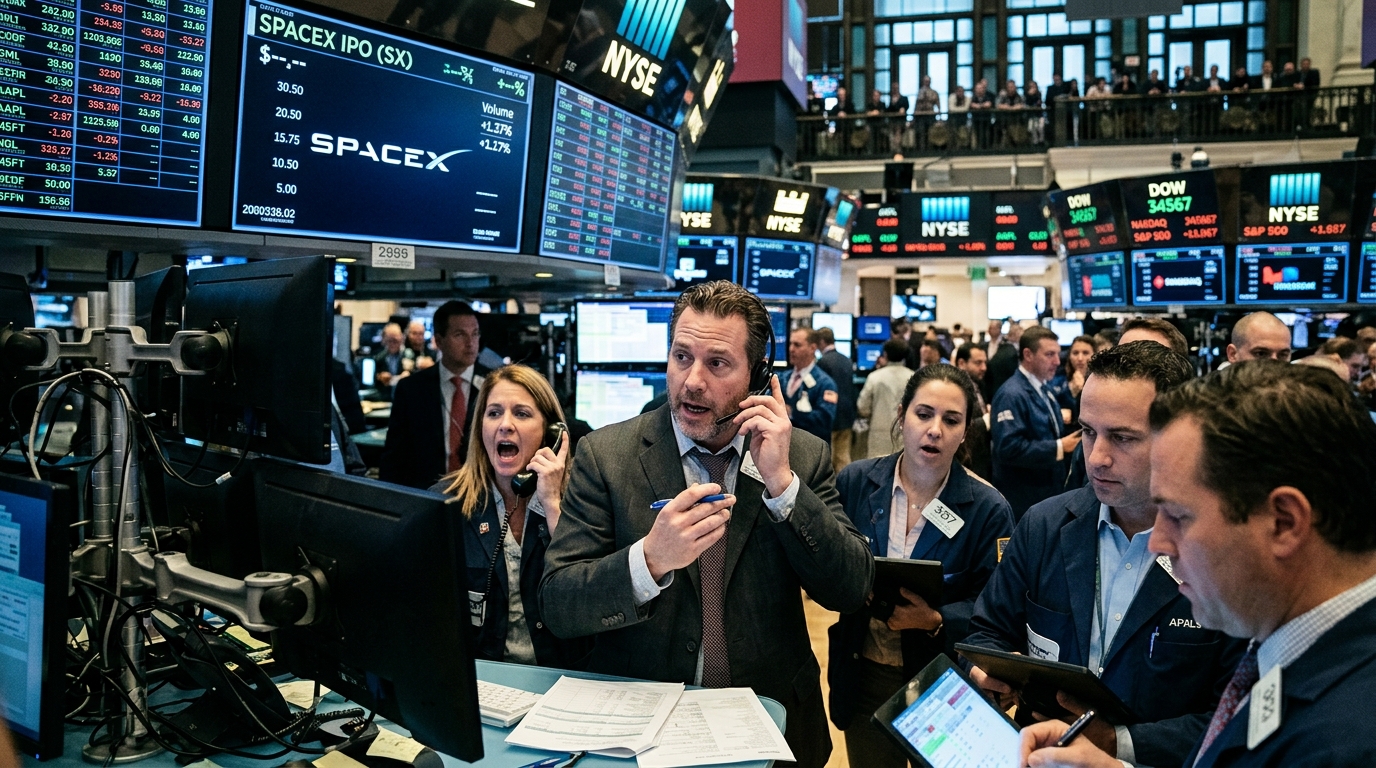
The era of 'innocence' for Large Language Models (LLMs) is coming to a close. While the initial years of the AI boom were characterized by the impression of a 'pure' knowledge engine responding objectively to our queries, harsh economic reality is now dictating a new direction. AI chatbots are gradually transforming into the most sophisticated salespeople humanity has ever known, embedding advertisements directly into the fabric of conversation.
The Economic Necessity of Billions
Why is this happening now? The answer lies in the balance sheets of tech giants. Training and operating models like GPT-4 or Gemini require astronomical sums in computing power and energy. Monthly subscriptions of $20 are not enough to cover the costs of Nvidia GPUs and massive data centers. Advertising, which has been the lifeblood of the internet for three decades, is returning as the 'savior' of revenue.
Google, Microsoft, and OpenAI are already experimenting with 'sponsored messages' and links that appear as suggestions during a search or conversation. If you ask your chatbot about 'the best running shoes for beginners,' the response may now include a subtle, yet paid, mention of a specific brand. This isn't just a banner on the side of the screen; it's part of the machine's very 'thought' process.
From SEO to GEO: The New Digital Strategy
The rise of AI advertising marks the end of traditional Search Engine Optimization (SEO). Businesses are no longer competing for the first page of Google, but for a slot in AI responses. This is called Generative Engine Optimization (GEO). Advertisers are trying to understand how models select their sources to ensure their products are cited as the 'best solutions' to user queries.
- Contextual Advertising: Ads are no longer random but based on the exact context of the dialogue.
- Personalized Persuasion: The chatbot knows your history and can tailor its 'pitch' to your specific needs.
- Invisible Integration: The difficulty for users to discern where information ends and promotion begins.
Ethical Erosion and User Trust
The major question arising is credibility. When a human seeks advice from an AI on health, finance, or even shopping, there is a tacit assumption of objectivity. If the AI is paid to steer the user toward specific choices, the relationship of trust is shaken. In the European Union, the AI Act is expected to impose strict transparency rules, forcing companies to clearly state when a response is a product of sponsorship.
"Artificial intelligence is no longer a neutral librarian, but a digital concierge with a hidden revenue agenda," say market analysts.
In the global market, digital marketing agencies are watching with bated breath. Businesses that traditionally invest in Google Ads and Social Media will be forced to adapt to an environment where the consumer doesn't 'see' ads but 'converts' through conversation. The challenge will be maintaining authenticity in a world where intelligence is for sale.
Conclusion: The Future of Free Access
As we head toward 2027, the 'Freemium AI' model will solidify. Users who wish to avoid ads will pay high premium prices, while the majority will accept the 'advice' of AI salespeople in exchange for free access to top-tier models. AI is not just changing how we work, but how the attention economy will continue to dominate our lives, more subtly and effectively than ever before.