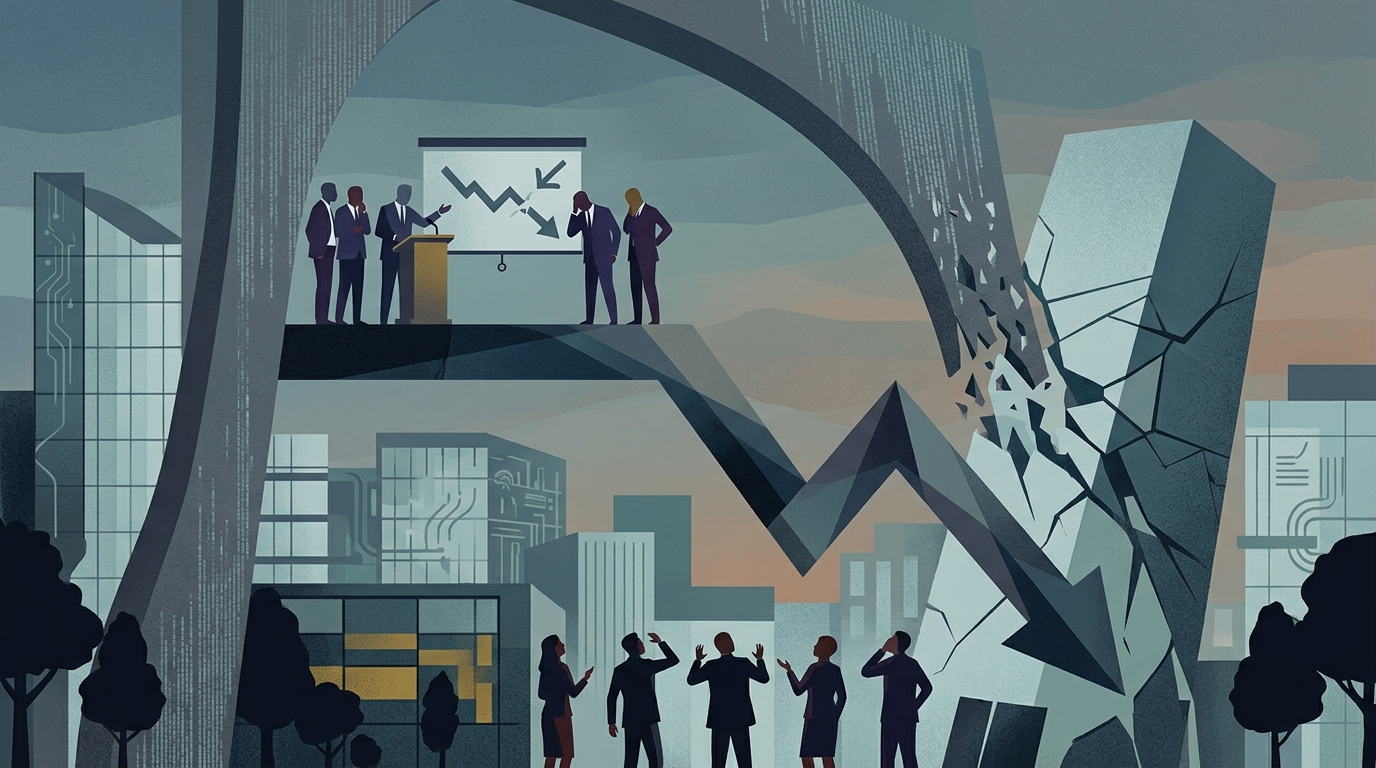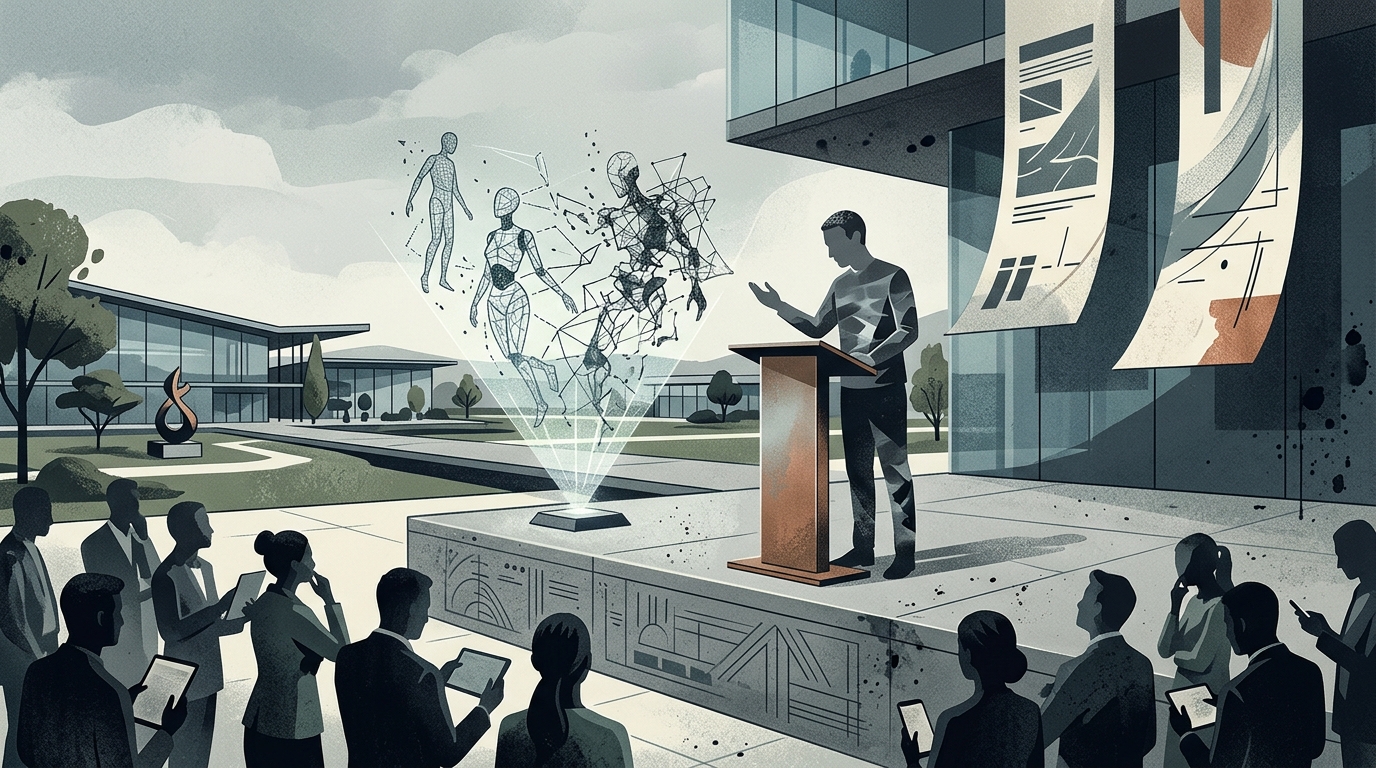
The era of unbridled AI optimism seems to be yielding to a more sober reality. In an exclusive interview with Reuters, Meta Platforms CEO Mark Zuckerberg admitted that the development of Artificial Intelligence "agents" is moving at a significantly slower pace than the company’s initial projections suggested. This admission, coming in mid-2026, marks a pivotal moment for an industry that until recently promised full automation of digital life within months.
The Reasoning Wall
The core issue, according to Zuckerberg, is not a lack of compute power or data, but the nature of reasoning itself. While Large Language Models (LLMs) have become exceptional at generating text and code, the transition from "talking" to "doing" is proving to be immensely complex. AI agents, which are supposed to book appointments, manage complex workflows, and make decisions without human oversight, are stumbling over reliability issues.
"There is a massive gap between a bot that suggests a recipe and an agent that must navigate five different apps, manage your finances, and correct its own mistakes in real-time," Zuckerberg noted. Despite billions invested in Nvidia B200 infrastructure and next-gen custom silicon, Meta is finding that current architectures may need a radical overhaul to achieve so-called "System 2" thinking—the slow, logical, and deliberate processing of information.
Strategic Shifts and the Open Source Gambit
This delay has immediate implications for Meta’s strategy. Instead of an immediate launch of a universal digital assistant, the company appears to be pivoting toward more specialized, constrained agents for specific functions within Instagram and WhatsApp. This incrementalism stands in contrast to the visions of OpenAI and Google, which are pursuing a more holistic, agentic approach.
However, Zuckerberg remains committed to Open Source. He argues that solving the agency problem will happen faster if the global developer community has access to foundational Llama models. "This isn't a race that will be won by a closed platform," he emphasized, taking a subtle jab at his competitors. Yet, the market wonders if investors will have the patience to wait for these technologies to mature as capital expenditures (CAPEX) continue to skyrocket.
Economic and Labor Market Implications
The admission of a slowdown brings a sense of relief to some sectors. Concerns about mass job displacement by AI agents within 2026 now seem to be pushed toward the end of the decade. The complexity of real-world work, which requires judgment, empathy, and adaptability, remains a fortress that AI is struggling to breach.
- AI agents require 10x more compute power to verify their actions compared to simple generation.
- Security and privacy remain the largest hurdles for agents requiring access to sensitive personal data.
- Meta is expected to revise its AI-driven revenue forecasts for 2027 downward.
In conclusion, Zuckerberg’s statement is not an admission of failure, but a dose of realism. The path to Artificial General Intelligence (AGI) and autonomous agents is not a straight line but a rugged trail filled with technical and ethical challenges. Silicon Valley must now prove it can deliver substantive value beyond the initial hype of chatbots.