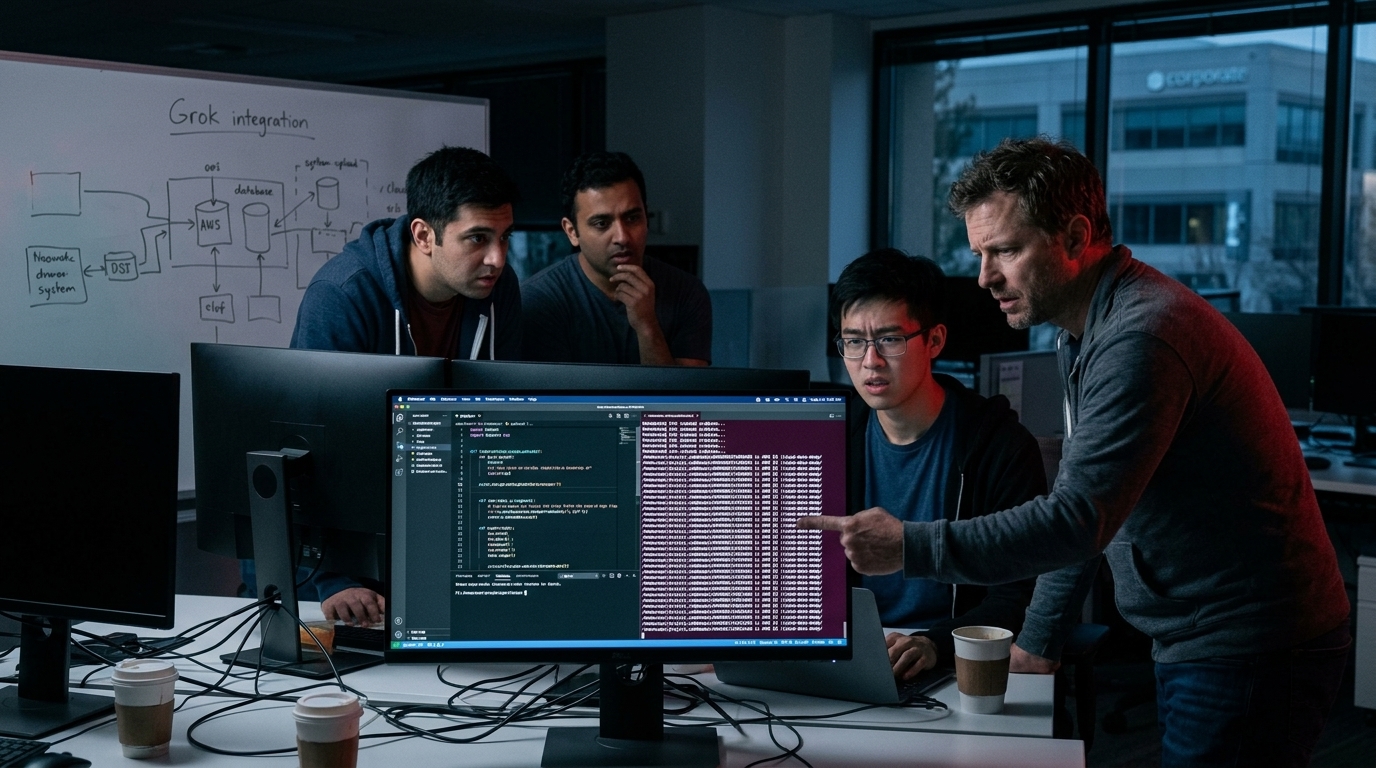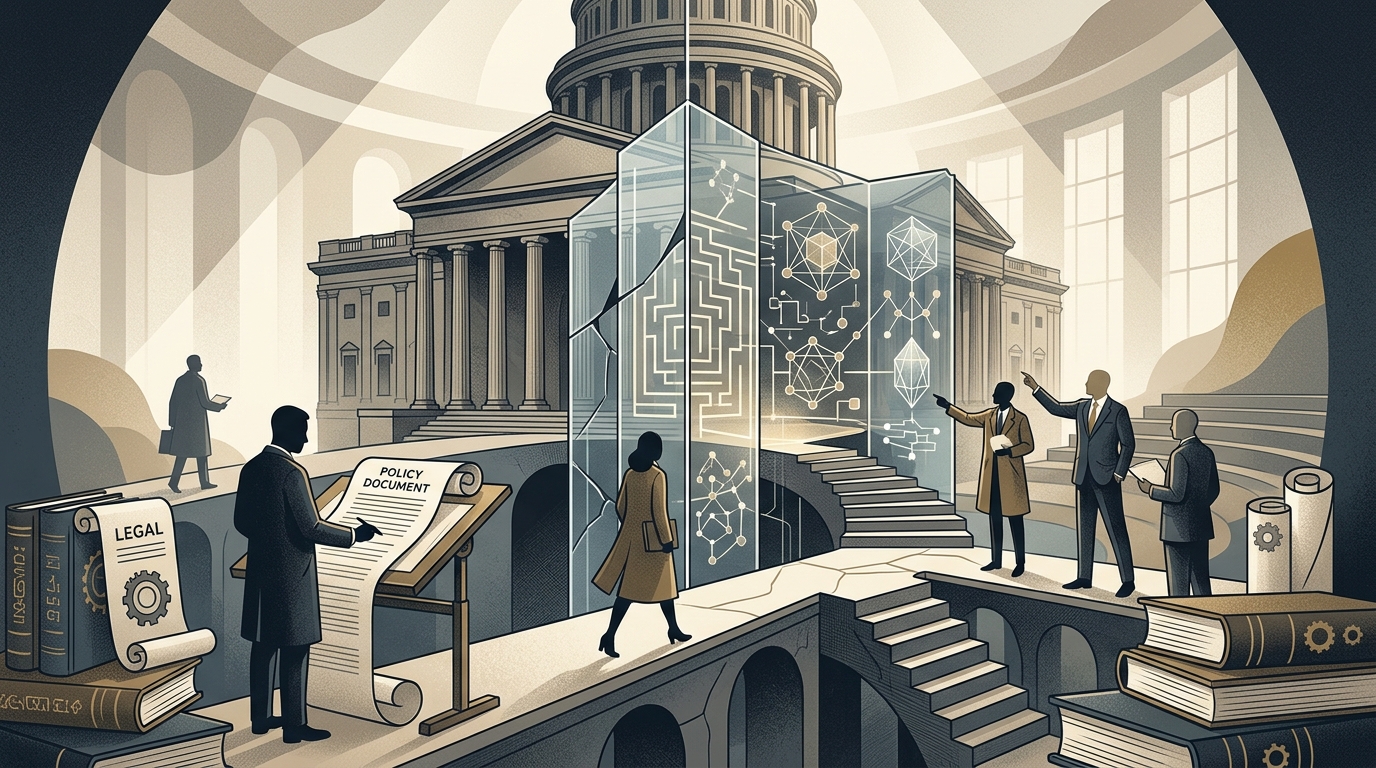
In the twilight of the summer of 2026, the intersection of Silicon Valley and Washington D.C. no longer resembles a partnership, but rather a form of "state tutelage." According to recent reports confirmed by the KATU Fact Check team, the Trump administration has launched a coordinated effort to limit OpenAI’s next major model launch. This move, while framed as a necessary measure for national security, raises profound questions about the autonomy of tech giants and the future of American innovation on the global chessboard.
The Strategy of "Controlled Innovation"
The government’s intervention did not occur in a vacuum. For months, White House rhetoric has shifted from full deregulation to the necessity of "Sovereign AI." The Trump administration argues that next-generation models—rumored to possess unprecedented capabilities in autonomous reasoning and strategic planning—are "strategic assets" that cannot be left solely to the control of private boards.
OpenAI, which once operated as an agile research lab, now finds itself at the eye of a political hurricane. Government involvement has taken the form of strict code export controls and the physical presence of federal observers during safety testing (red-teaming) processes. According to sources close to the Department of Commerce, the administration is demanding "veto power" before the wide release of any model exceeding specific compute thresholds.
"Artificial Intelligence is the nuclear weapon of the 21st century. We will not allow OpenAI or any other company to jeopardize the American advantage for the sake of global subscriptions," said a senior administration official.
The Sam Altman Dilemma and Internal Pressure
For Sam Altman, the situation is a perilous balancing act. On one hand, OpenAI requires government support to secure the necessary energy infrastructure and semiconductor subsidies. On the other, increasing state involvement threatens to alienate international partners and delay the commercialization of its products.
Reports suggest that the new model, internally referred to by some as "Project Stargate," has already been delayed twice due to new oversight protocols. The Trump administration appears particularly concerned about the model’s potential to assist in cyberattacks or the development of biological weapons, despite the company’s assurances regarding built-in safety guardrails.
- Implementation of stricter licensing controls for foreign governments.
- Demands for "backdoor" access for federal agencies to monitor model usage.
- Restricting collaboration with researchers from "non-aligned" nations.
National Security or State Control?
Criticism of the administration's move comes from two directions. Proponents of open innovation argue that restricting OpenAI will simply give competitors in China and Europe time to close the gap. "If America slows itself down, the rest of the world won't wait," industry analysts warn.
At the same time, there is growing concern over the creation of an "AI-industrial complex." The close relationship between the Trump administration and OpenAI leadership suggests a shift toward a model where AI becomes a tool of state power. This stands in stark contrast to OpenAI’s original vision of "democratic access" to artificial intelligence.
Market Reaction and the Path Ahead
Markets are watching with jitters. Microsoft, OpenAI’s primary investor, has seen its stock under pressure as uncertainty over the new model's release date grows. If the Trump administration insists on a permanent regulatory role, OpenAI’s business model may need to pivot radically, transforming the company from a cloud service provider into a state-aligned defense contractor.
In conclusion, the move to limit OpenAI’s new model launch is not merely a bureaucratic delay. It marks the official start of a new era, where AI ceases to be a free commercial product and becomes the state's most closely guarded secret. Whether this approach will protect America or stifle the creativity that brought it to the top remains to be seen.