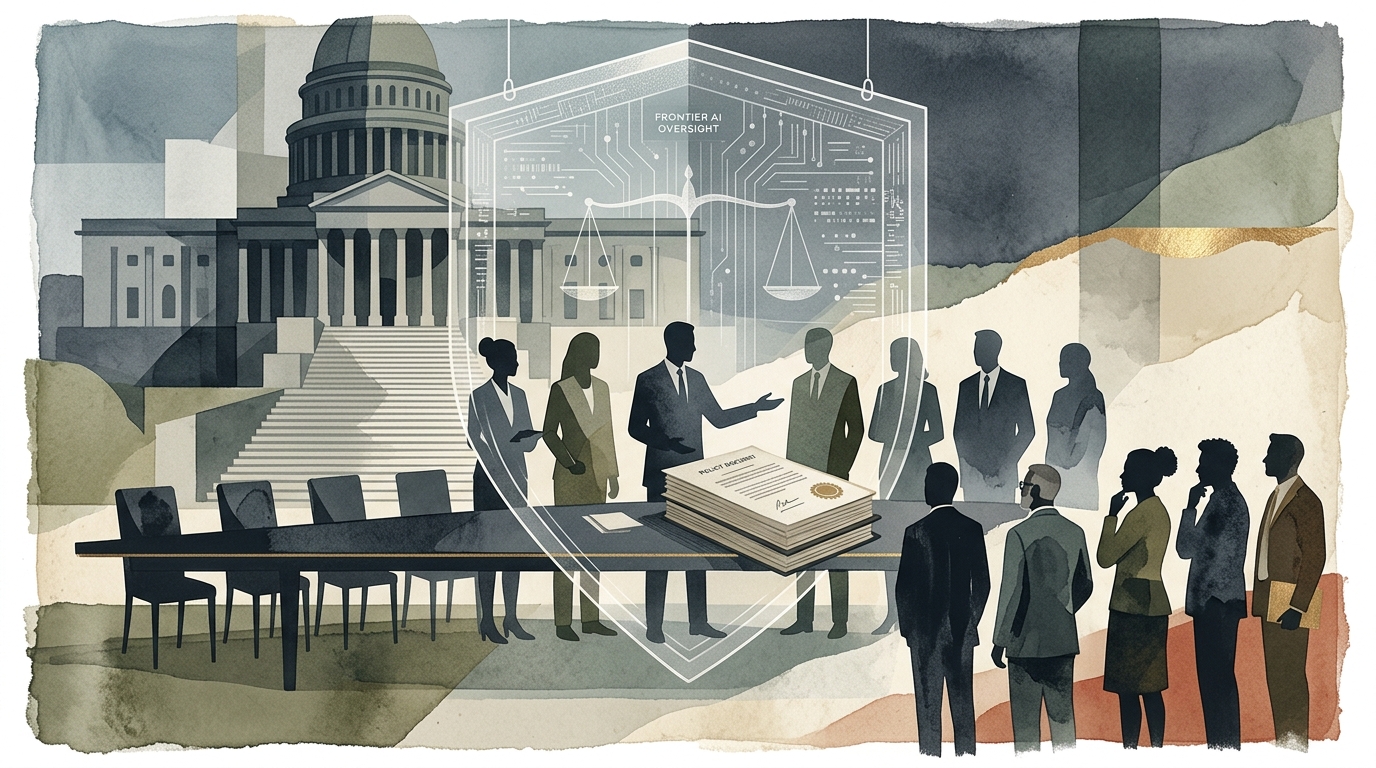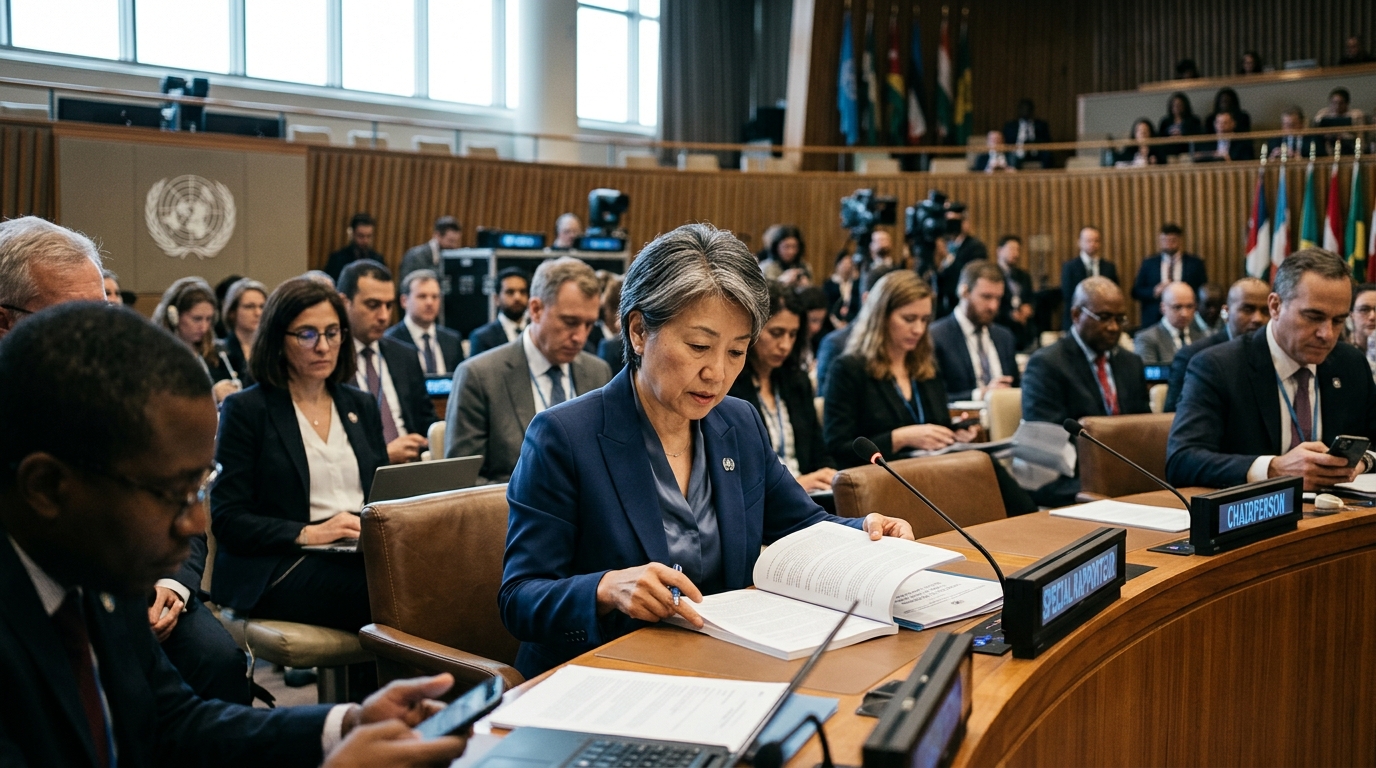
In a historic turning point for global technological diplomacy, the UN High-Level Advisory Body on Artificial Intelligence (AI) has released its final report, titled "Governing AI for Humanity." This document is not merely a technical analysis but an urgent call to action for the international community. As AI reshapes the economy, society, and geopolitics, the UN is attempting to lay the foundations for a governance structure that prevents a widening chasm between nations and ensures technology serves human rights.
The report acknowledges that AI offers unprecedented opportunities to achieve the Sustainable Development Goals (SDGs), from precision medicine to climate change mitigation. However, the central warning is clear: if AI governance is left solely to market forces or a closed group of powerful states, the result will be the further marginalization of the Global South and the strengthening of authoritarian tendencies.
The Digital Abyss: The North-South Divide
One of the most concerning findings of the report is the concentration of AI power in very few hands. Today, the development of large language models and computing infrastructure is controlled by a handful of tech giants, primarily in the US and China. The UN points out that many developing nations still lack the basic prerequisites to participate in the AI revolution: data, computing power, and a skilled workforce.
"Artificial Intelligence must not be a privilege for the few, but a tool for the many," the report states. It proposes the creation of an "AI Capacity Development Fund," to be financed by states and private entities to help less developed countries build their own infrastructure. Without such intervention, the risk of a new "digital colonialism" is real, where the Global South provides only the raw data while the added value and knowledge remain in the North.
Seven Pillars for Global Governance
The advisory body proposes seven specific recommendations to bridge the governance gap. Among these, the creation of an International Scientific Panel on AI stands out, modeled after the Intergovernmental Panel on Climate Change (IPCC). This body would provide objective, evidence-based analyses of the risks and potentials of the technology, free from political expediency.
- International Scientific Panel: Providing independent knowledge on the state of AI.
- Policy Dialogue on Governance: A forum for coordinating national regulatory frameworks.
- Standards and Data Sharing: Creating common rules for interoperability and ethical data use.
- Global Capacity Development Network: Connecting universities and research centers worldwide.
These proposals aim to create an ecosystem where innovation is not stifled by bureaucracy but guided by global values. The report emphasizes that governance must be agile, as technology evolves at a pace that far exceeds traditional legislative cycles.
Risks: From Disinformation to Autonomous Weapons
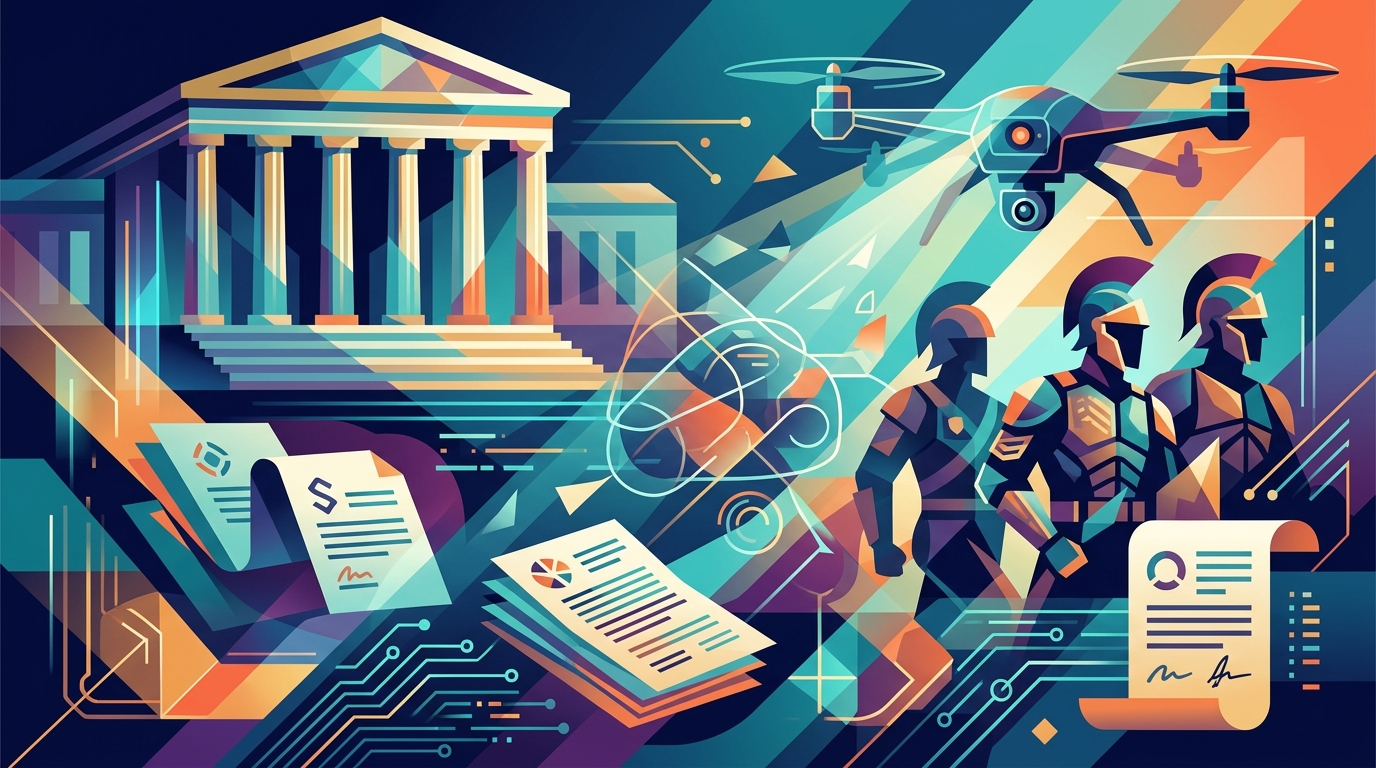
Despite the optimism regarding economic prospects, the UN does not overlook the darker risks. The report dedicates extensive sections to the threat AI poses to democracy and security. The use of deepfakes and algorithmic manipulation in electoral processes represents an immediate danger to social cohesion. Furthermore, the integration of AI into weapon systems (Lethal Autonomous Weapons Systems) raises ethical questions that the international community has yet to answer.
"The absence of control over AI is not just a policy oversight; it is a threat to global peace," emphasizes one of the committee members.
The report calls for a ban on AI applications that violate fundamental human rights, such as real-time mass biometric surveillance. At the same time, it warns about the impact on the labor market, urging governments to invest in retraining programs and social protection for workers displaced by automation.
Conclusion: Toward a Global Digital Compact
The UN report serves as a precursor to the "Summit of the Future," where world leaders are expected to adopt a Global Digital Compact. The challenge is immense: how can major powers be persuaded to cede part of their control to an international body? The answer, according to the UN, lies in mutual dependence. No state can tackle the risks of uncontrolled AI alone.
The future of Artificial Intelligence is not predetermined. It is the result of the political choices we make today. The UN report reminds us that while algorithms are written in code, the fate of humanity must be written with justice and dignity as its guide.