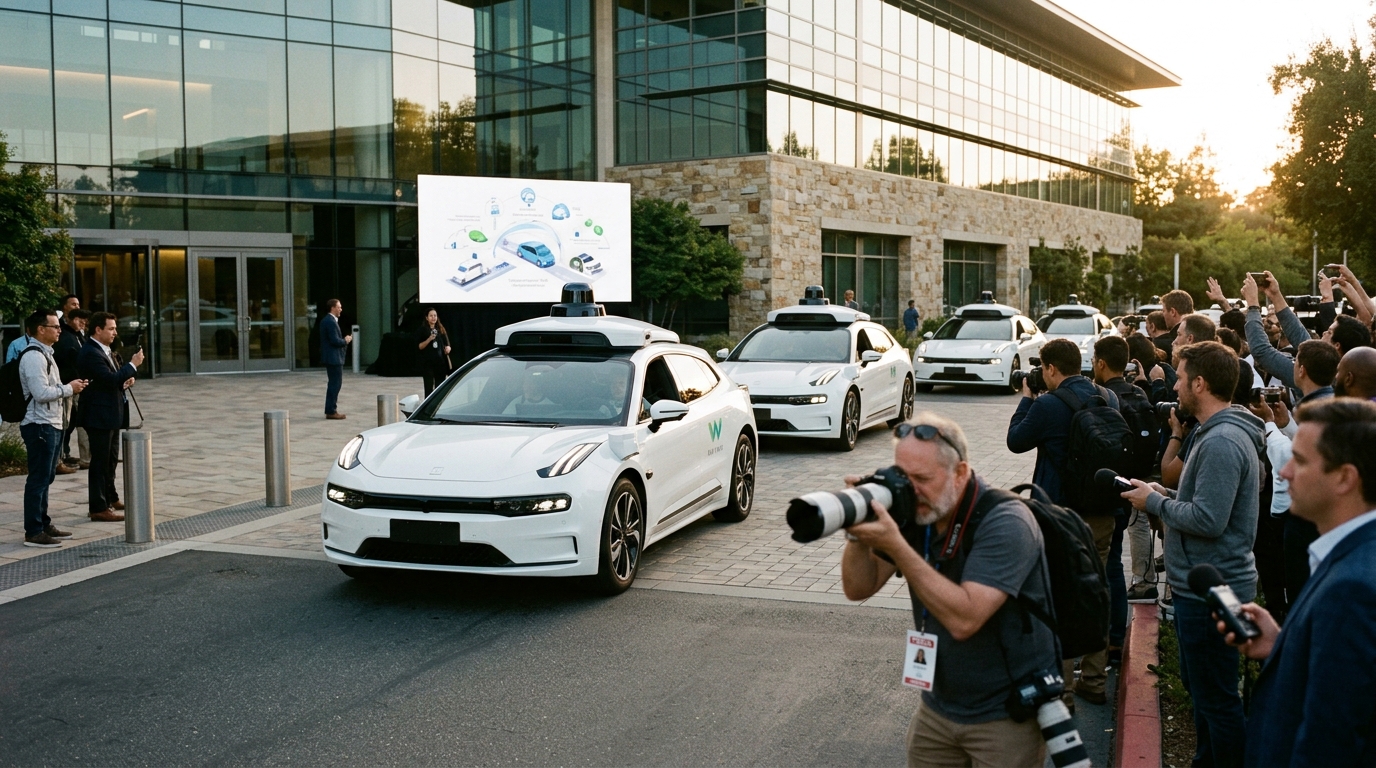
In a move that signals the transition of autonomous driving from an experimental phase to a full-scale commercial reality, Alphabet Inc.’s Waymo has officially integrated its new Zeekr-built vehicles into its robotaxi fleet. The deployment, initially focused on Phoenix and San Francisco, expands services in regions where the demand for driverless rides has surged. These new vehicles, born from a partnership with the premium Chinese EV brand Zeekr (owned by Geely), are not merely retrofitted passenger cars; they are platforms designed exclusively for autonomous mobility services.
Design Without a Driver in Mind
The new Waymo vehicle represents a radical departure from the Jaguar I-PACE models currently in use. Featuring a low floor for easy ingress, massive amounts of legroom, and the complete absence of a steering wheel or pedals, the interior feels more like a mobile lounge than a traditional automobile. This design optimizes the passenger experience, offering integrated entertainment screens, multiple charging ports, and a tranquil environment that allows for work or relaxation during transit.
The technological heart remains the "Waymo Driver," the sophisticated AI and sensor suite (LiDAR, radar, cameras) that has logged millions of real-world miles. Integrating this system into the Zeekr platform was executed with a focus on redundancy and efficiency, allowing the vehicle to navigate complex urban environments with a precision that often surpasses human capability, particularly in low-visibility conditions or heavy traffic.
The Geopolitical Chessboard
The selection of Zeekr, a China-based manufacturer, for Waymo’s fleet comes at a time of heightened trade tensions between Washington and Beijing. Despite tariffs and restrictions on Chinese EV imports, Alphabet appears to have navigated the regulatory landscape by focusing on the technological superiority of Zeekr’s M-Vision platform. This strategy highlights the globalized nature of AI technology: American software, Chinese manufacturing, and global application.
"We aren't just building a car; we are reimagining how cities breathe and move," a Waymo executive noted during the rollout event.
However, the move is not without its risks. US regulators are closely monitoring the integration of Chinese hardware into critical transportation infrastructure. Waymo has provided assurances that all data processing and system control are managed via its own domestic servers, ensuring national security and the protection of user privacy.
Economic Viability and the Death of Car Ownership
For market analysts, the shift to purpose-built vehicles (PBVs) is the linchpin for robotaxi profitability. Previous models, based on retrofitted existing cars, carried exorbitant acquisition and maintenance costs. The Zeekr platform allows for mass production at a lower per-unit cost, bringing Waymo closer to its goal of a service that is more affordable than owning a private vehicle.
In California and Arizona, public acceptance is steadily climbing. Users appreciate the predictability, cleanliness, and the absence of the sometimes awkward social interaction with a human driver. As the Zeekr-Waymo fleet multiplies on city streets, the question is no longer whether the technology works, but how quickly cities can adapt their infrastructure to accommodate this new form of mass transit. Alphabet is betting that the future belongs not to those who own cars, but to those who control the mobility network.