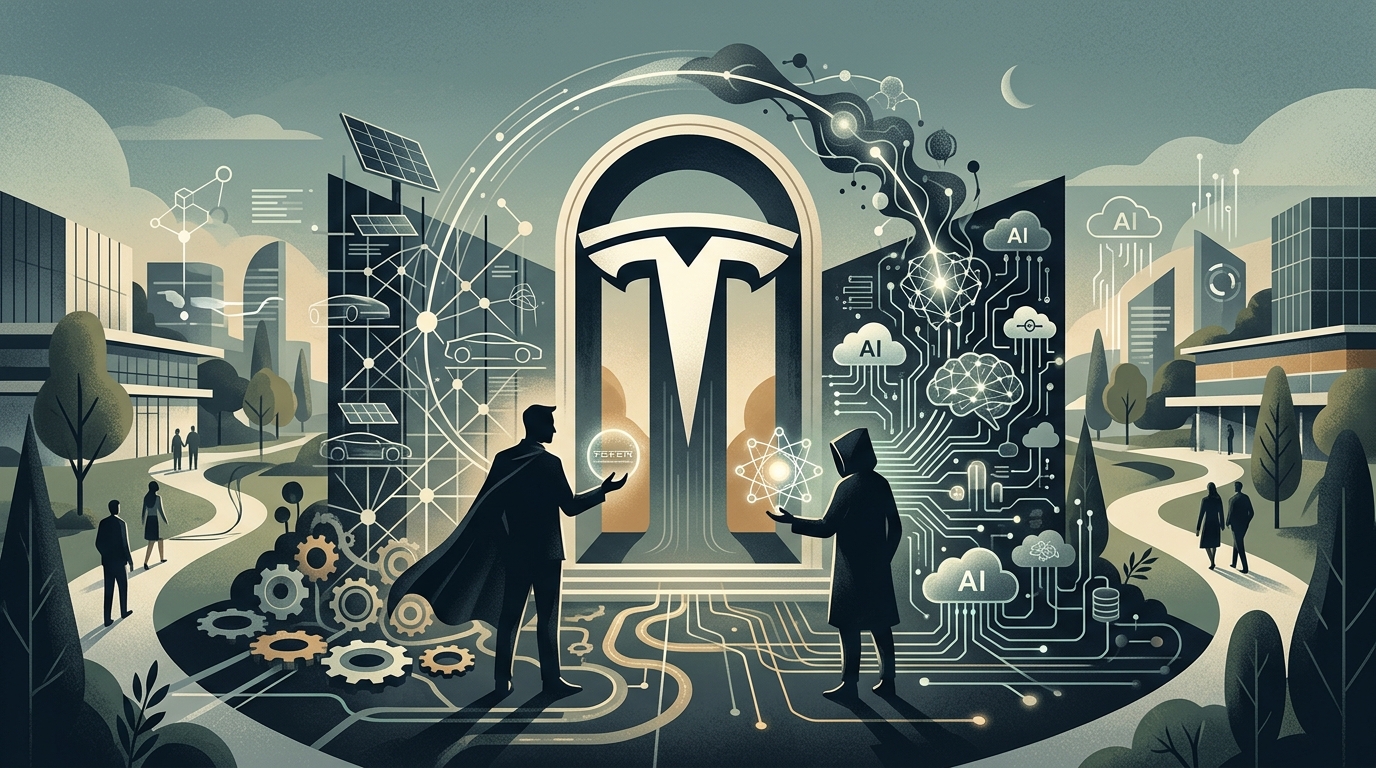
In the high-stakes world of Silicon Valley, Elon Musk’s maneuvers rarely go unnoticed, even when shrouded in strategic ambiguity. The recent revelation that Tesla has acquired a "stealth" AI startup for a staggering $2 billion has sent shockwaves through the industry. This move is far more than a mere addition to Tesla’s portfolio; it is a definitive pivot, signaling that the company is shedding its skin as an automaker to emerge as a global titan in artificial intelligence and robotics.
The Strategy Behind the Silence
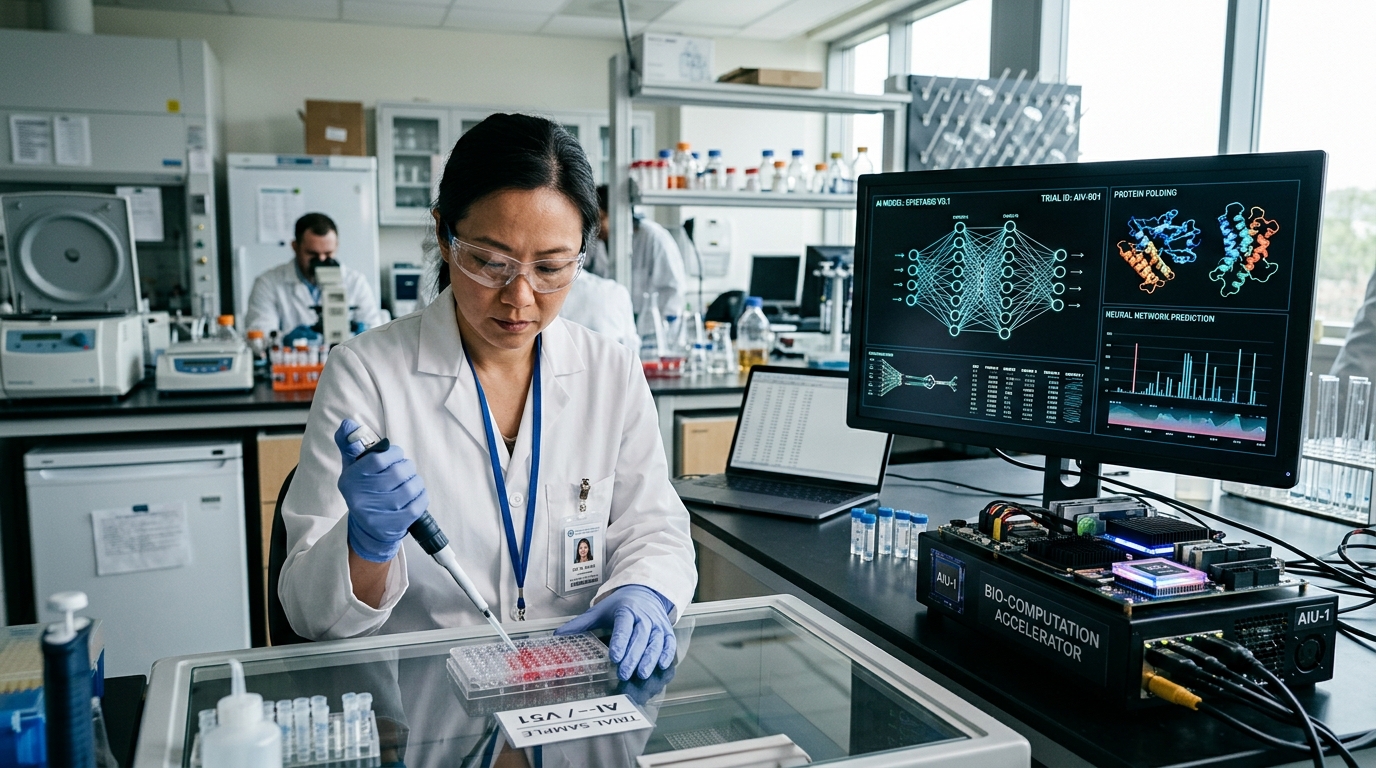
Why would a company as scrutinized as Tesla keep the identity of its latest acquisition under wraps? Industry analysts suggest this secrecy is a calculated move to protect critical intellectual property and prevent rivals like Waymo or Nvidia from gaining insight into Tesla’s next technical leap. The $2 billion price tag suggests a mature entity, likely possessing breakthrough technology in computer vision, neural network compression, or synthetic data generation.
Tesla finds itself at a historical crossroads. As the EV market matures and competition from Chinese giants like BYD and Xiaomi intensifies, Tesla’s traditional margins are under fire. Musk’s response is to double down on the one frontier where Tesla maintains a massive data advantage: real-world AI. By integrating a specialized AI team, Tesla aims to solve the "long tail" of autonomous driving—those rare, complex scenarios that currently prevent Full Self-Driving (FSD) from reaching Level 5 autonomy.
Dojo, Optimus, and the Data Moat
This $2 billion acquisition coincides with Tesla’s massive infrastructure build-out. The company is pouring billions into its Dojo supercomputer, designed to process the petabytes of video data streaming from millions of Teslas on the road. If the mystery startup brings proprietary algorithms that can optimize this training process or reduce the latency of AI inference on the vehicle's hardware, the ROI could be astronomical.
- Enhancing neural network architectures for FSD v12 and beyond.
- Accelerating the motor control and spatial awareness of the Optimus humanoid robot.
- Reducing reliance on third-party hardware providers like Nvidia.
However, the deal is not without its detractors. Governance experts and institutional investors are raising red flags regarding transparency. With Musk simultaneously leading xAI—his private artificial intelligence venture—the lines between corporate interests are becoming increasingly blurred. Questions about whether top-tier talent and IP are being funneled between Tesla and xAI have already drawn the attention of legal analysts and shareholders alike.
The Financial Implications: High Risk, High Reward
Financially, spending $2 billion while simultaneously undergoing global workforce reductions highlights a brutal prioritization of R&D over operational stability. Musk is effectively betting the house on the intelligence layer. If Tesla can successfully launch a functional Robotaxi network, the $2 billion spent today will be seen as a pittance compared to the trillions in market cap it could unlock.
"Tesla is an AI/robotics company. If you think it’s a car company, you’re using the wrong framework," Musk has often asserted during earnings calls.
Ultimately, this acquisition is the latest piece of a puzzle Musk has been assembling for over a decade. Its success will determine not only the future of Tesla but the trajectory of human mobility and labor. While the mystery of the acquired company remains, the intent is crystal clear: Tesla is preparing for a world where intelligence is the ultimate commodity.