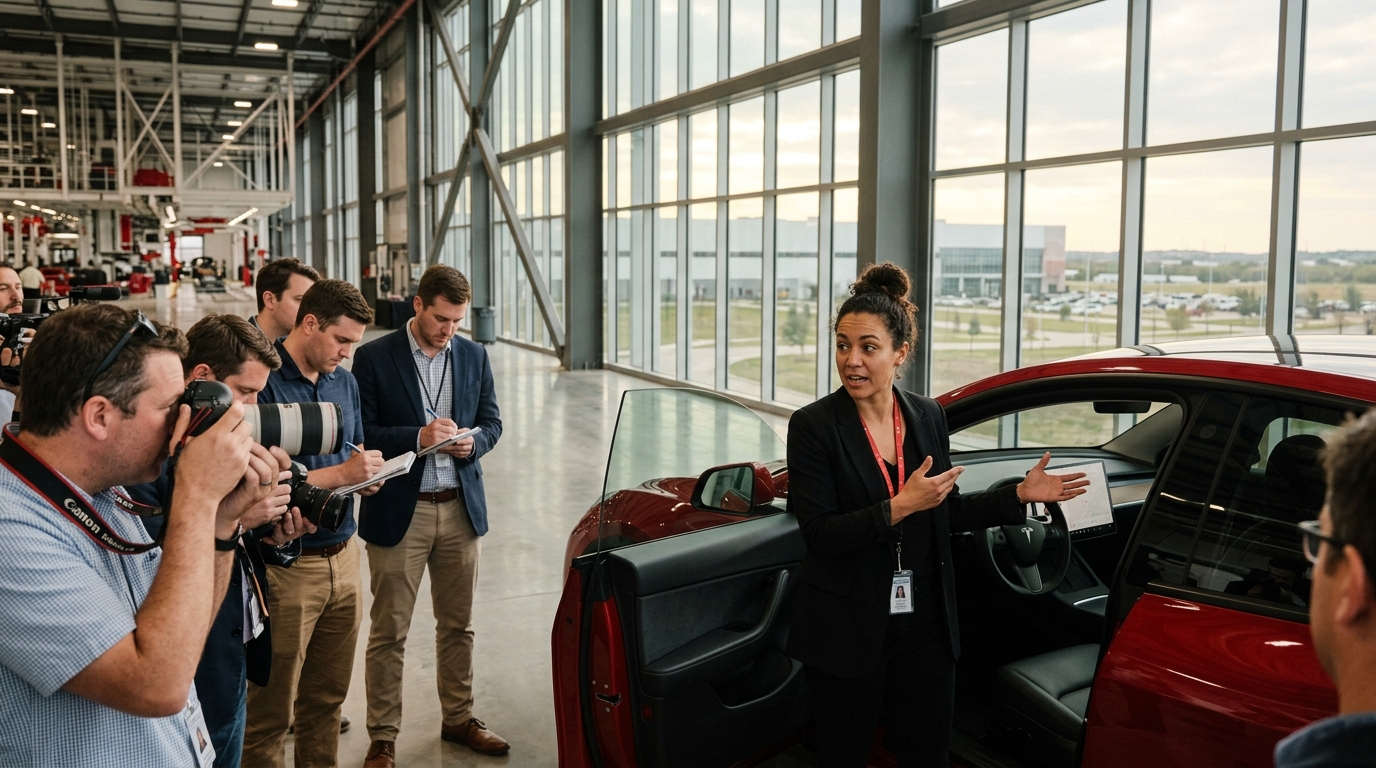
In a move that caught the market's attention but was largely anticipated by Wall Street analysts, Tesla has implemented its first price increase for the popular Model Y in the United States in two years. This decision, initially reported by Reuters, marks a significant turning point in the aggressive pricing strategy Elon Musk has pursued since early 2023, which triggered a relentless "price war" across the entire electric vehicle (EV) sector.
A Strategic Pivot Toward Profitability
For nearly 24 months, Tesla operated under a "growth at all costs" philosophy. By repeatedly slashing prices for the Model 3 and Model Y, the company managed to maintain market dominance and pressure legacy automakers—such as Ford and GM—who are still struggling to make their own EV divisions profitable. However, this tactic came at a heavy price: Tesla’s profit margins, once the gold standard of the automotive industry, contracted significantly.
The current hike, while relatively modest in absolute terms, sends a clear message to investors: Tesla believes demand has stabilized at levels that allow for the recovery of lost profitability. With the Model Y remaining the world's best-selling vehicle, the company now feels confident enough to test the price elasticity of its consumer base.
The Competition and Technology Factor
This price increase does not happen in a vacuum. The year 2026 finds Tesla in a phase of fleet renewal, with the highly anticipated "Juniper" refresh for the Model Y looming on the horizon. Analysts estimate that the current adjustment sets the stage for the new version, which is expected to feature improved range and a more premium interior.
Furthermore, the international landscape has shifted. While Chinese firms like BYD continue to expand aggressively in Europe and Southeast Asia, tariffs imposed by the US government on Chinese-made vehicles have provided Tesla with a "protective pocket" in its home market. Without the immediate threat of cheap Chinese imports, Tesla has the leeway to raise prices without fearing a mass exodus of customers.
- The price hike primarily affects the Long Range and Performance variants.
- Loan interest rates remain the deciding factor for the consumer's final monthly payment.
- Tesla is increasingly focusing on software sales (FSD) as a high-margin revenue stream.
Market Reaction and Future Outlook
Markets reacted positively to the news, with Tesla's stock seeing an uptick in pre-market trading. Investors view this move as evidence of corporate maturity. After a period of intense volatility, the shift toward sustainable profitability is exactly what Wall Street has been demanding.
"Tesla is no longer a startup trying to survive, but an incumbent player that must balance innovation with shareholder returns," noted a lead analyst from Morgan Stanley.
On a macroeconomic level, this increase may serve as a harbinger for similar moves by other manufacturers. If Tesla, the industry leader, ceases its discounting, then Ford and Rivian will have the "permission" they need to stop their own cash hemorrhaging. The question remains: will the consumer follow, or will this hike dampen the momentum of the EV transition?