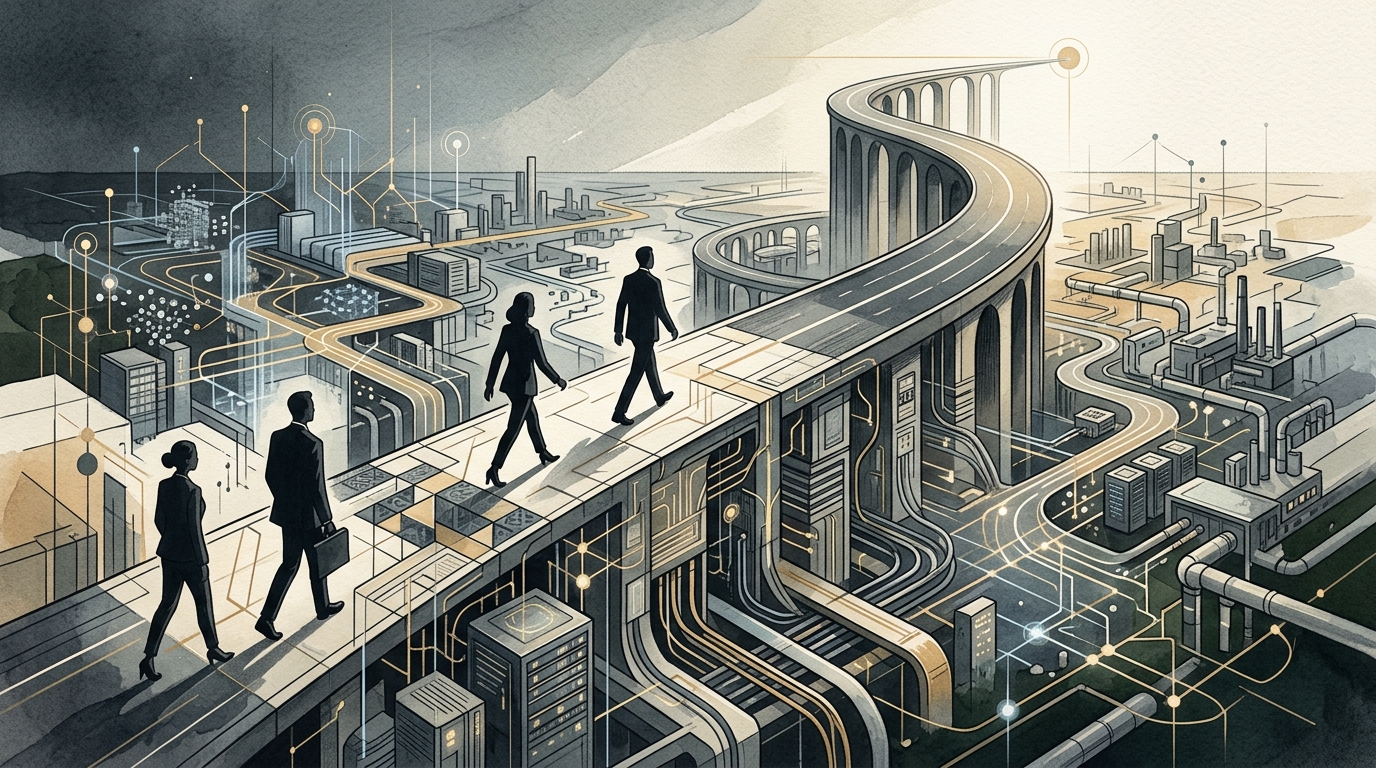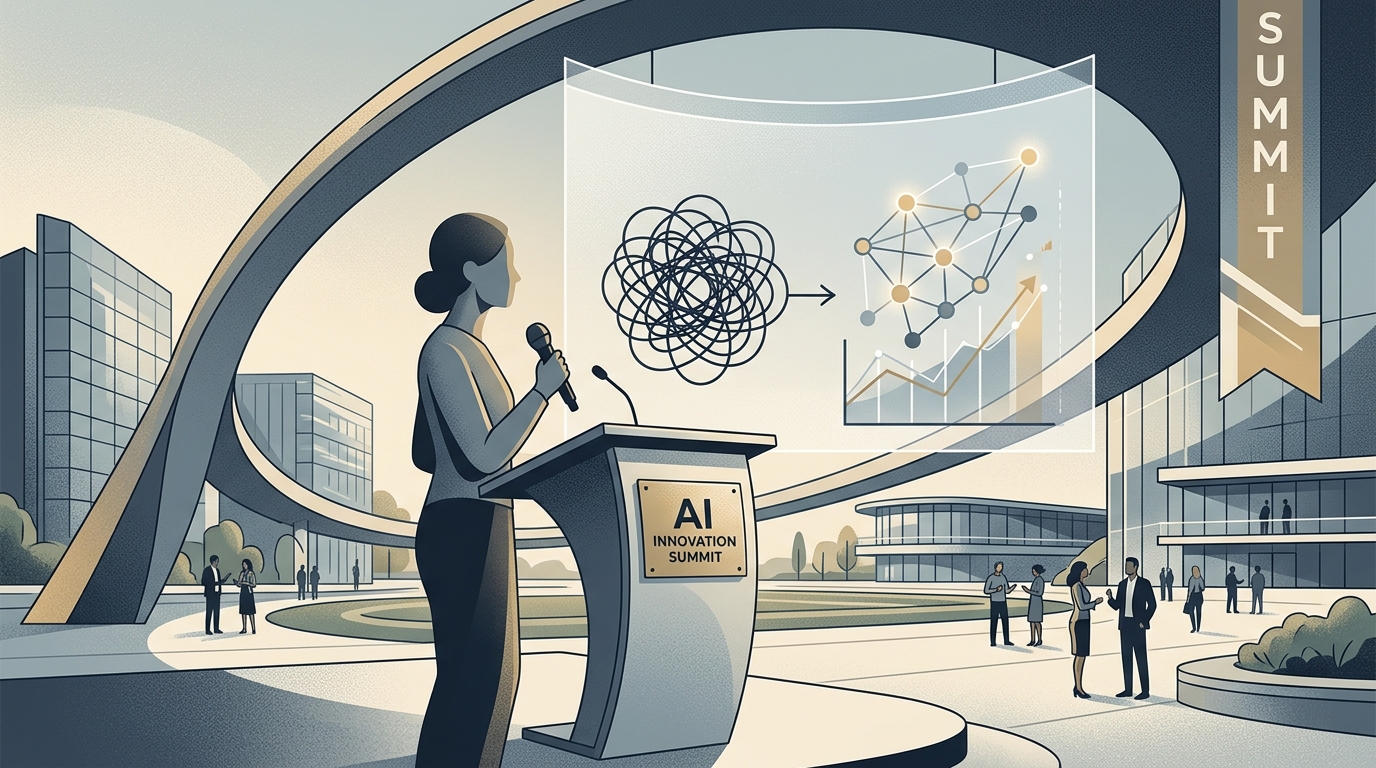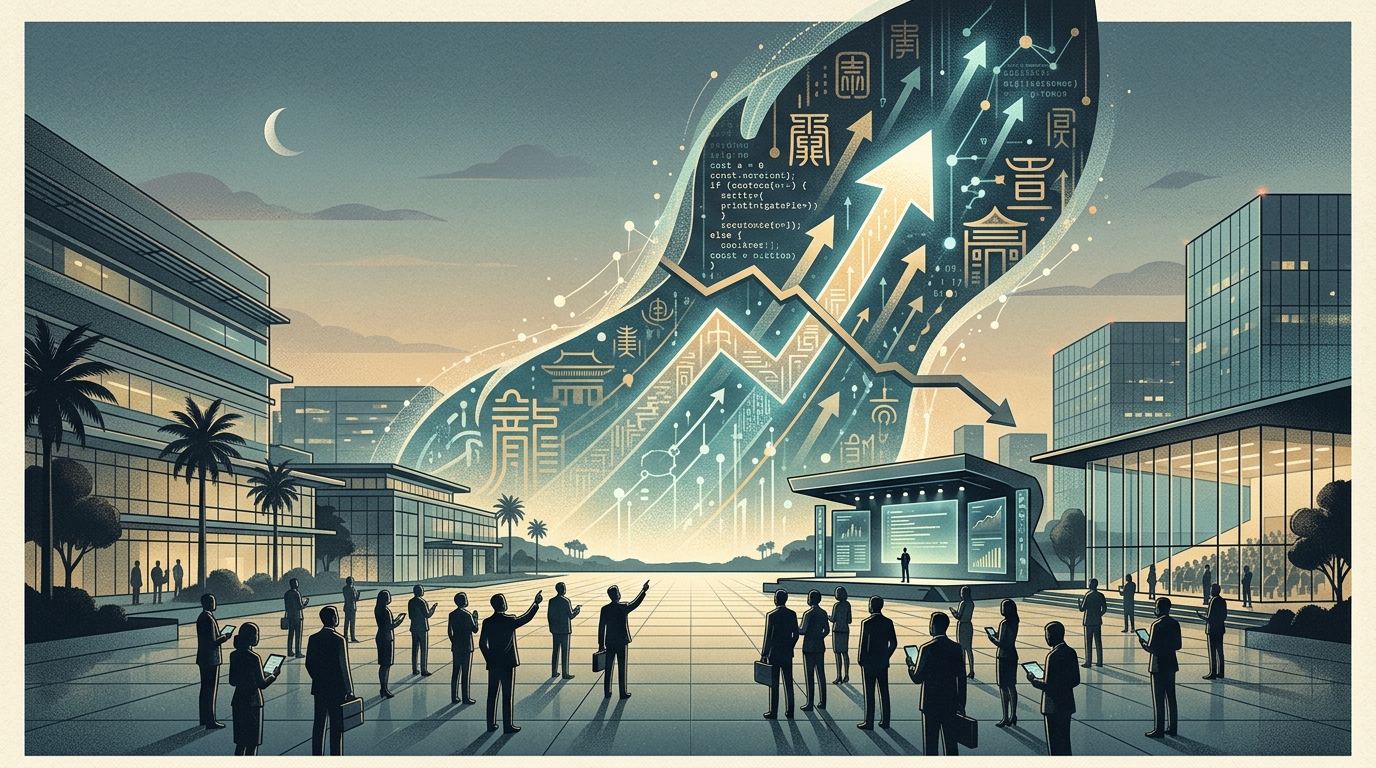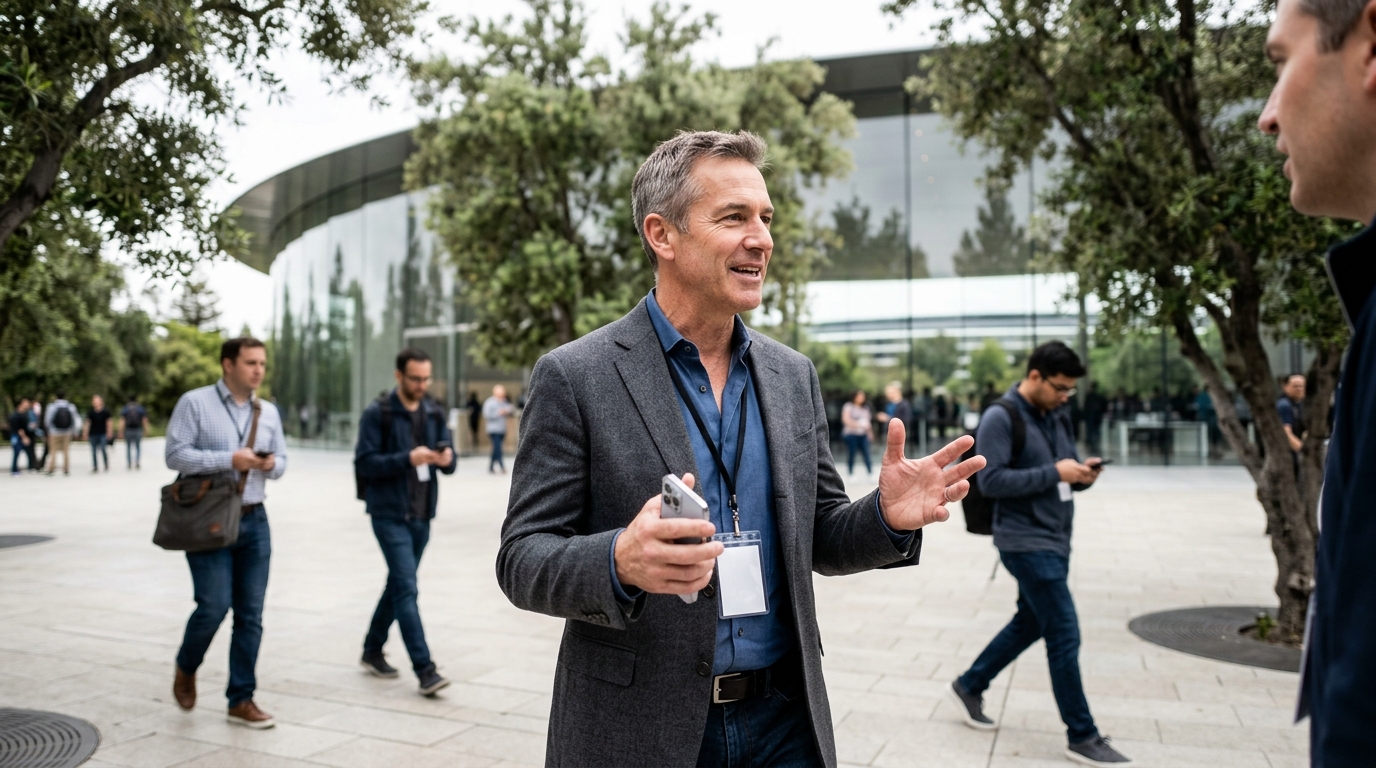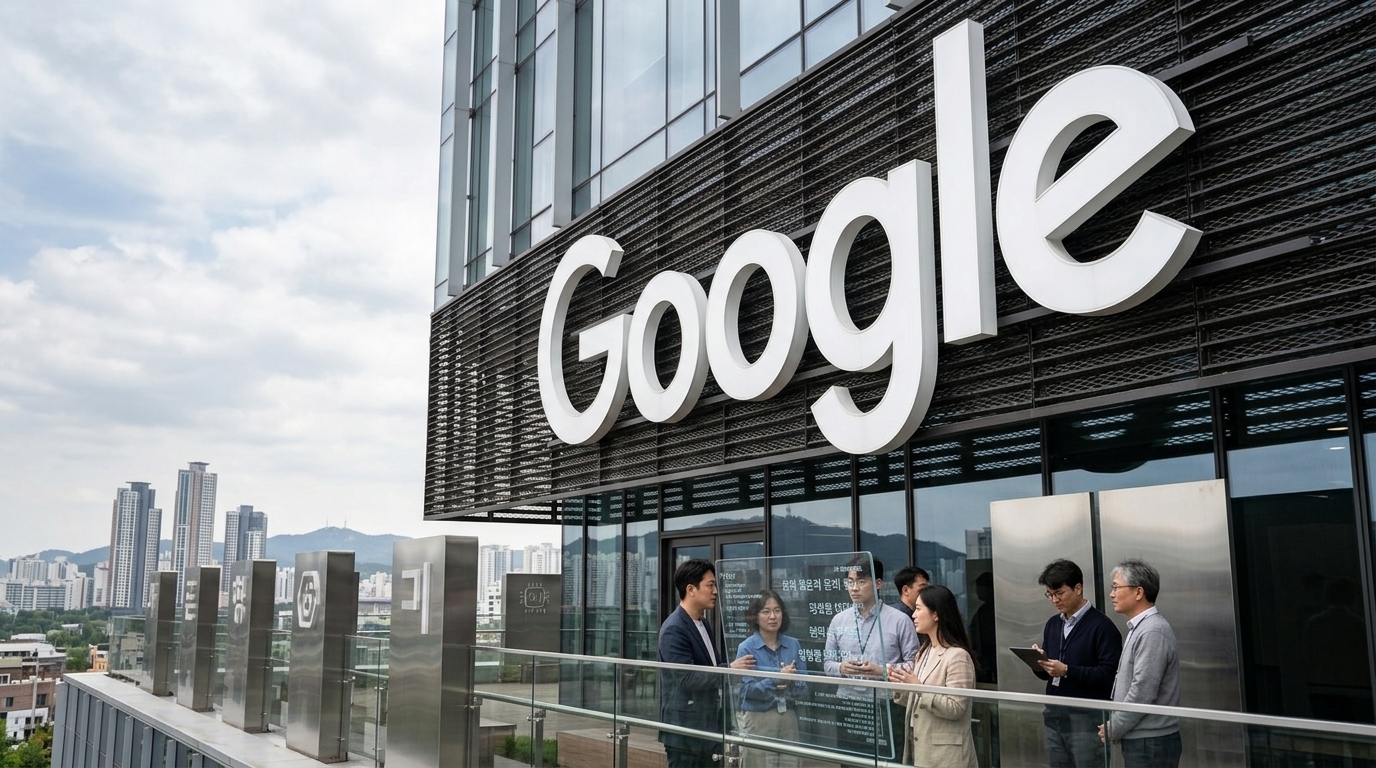
In the vibrant heart of Seoul, where the glass towers of tech conglomerates meet centuries of history, Google has decided to lay the foundations for the future of global artificial intelligence. The establishment of the company's first AI Campus in South Korea is not merely a business expansion; it is a strategic maneuver that redraws the global map of innovation. In partnership with the country's Ministry of SMEs and Startups, Google aims to transform the Korean capital into a hub where theoretical AI research meets practical application in heavy industry and consumer electronics.
The Strategic Alliance: Moving Beyond Software
The choice of South Korea is far from accidental. The nation stands as the fortress of global semiconductor production and High Bandwidth Memory (HBM), the essential components required to train large language models. Through the new AI Campus, Google seeks to create an ecosystem that will nurture at least 100 startups annually, providing them with access to computational power, specialized expertise, and its global network of engineers. This initiative, known as the 'AI Startup School,' will serve as an accelerator for the next generation of applications built upon Google's Gemini models.
However, the real intrigue lies in the collaborations with domestic 'Chaebols'—the massive family-owned conglomerates that anchor the Korean economy. Samsung and Hyundai are not passive observers but active participants. For Samsung, integrating Google’s AI into Galaxy devices is the key to maintaining dominance over Apple. For Hyundai, AI represents the 'brain' of its future autonomous vehicles and Software-Defined Vehicles (SDVs). By providing the underlying AI infrastructure, Google positions itself as the indispensable partner linking raw hardware with cognitive intelligence.
Cultivating Talent: The Blueprint for the Future
One of the most significant challenges facing the global tech industry is the acute shortage of specialized talent. The AI Campus in Seoul addresses this gap through educational programs in collaboration with the country's elite academic institutions, including KAIST and Seoul National University. The goal is to train thousands of students and professionals in Machine Learning and Neural Networks.
The curriculum extends beyond theoretical frameworks. Participants will have the opportunity to work on real-world problems facing Korean industries. From optimizing supply chains in shipbuilding to developing personalized medical diagnostics through AI, the Campus will function as a living laboratory. Google understands that for its ecosystem to prevail, it must be the one shaping the mindset of the next generation of developers from the ground up.
Geopolitical Implications and Competition
Google's move takes place against a backdrop of heightened geopolitical tension. South Korea is at the epicenter of the 'chip wars' between the United States and China. By strengthening its presence in Seoul, Google ensures privileged access to the Asian supply chain while simultaneously creating a bulwark against the rising influence of Chinese firms like Baidu and Alibaba in the region.
Furthermore, Google faces fierce competition from the Microsoft-OpenAI alliance. Establishing a physical innovation space in Korea provides a localization advantage that is difficult to replicate remotely. Enabling Korean startups to develop applications that fluently understand the Korean language and cultural nuances—using Google’s proprietary tools—is a masterstroke for capturing a market that has traditionally been difficult for American giants to penetrate.
Conclusion: A New Era of Interdependence
Google's AI Campus in Seoul marks the end of an era where tech companies operated as isolated silos. Today, success demands deep integration into the local economy and strategic alliances with both the state and traditional industry. South Korea, with its unparalleled infrastructure and high educational standards, is the ideal partner for Google in this bold experiment. The stakes are immense: if the Seoul model succeeds, it will serve as the blueprint for AI deployment on a global scale, where technology is not just a tool, but the very fabric of economic activity.