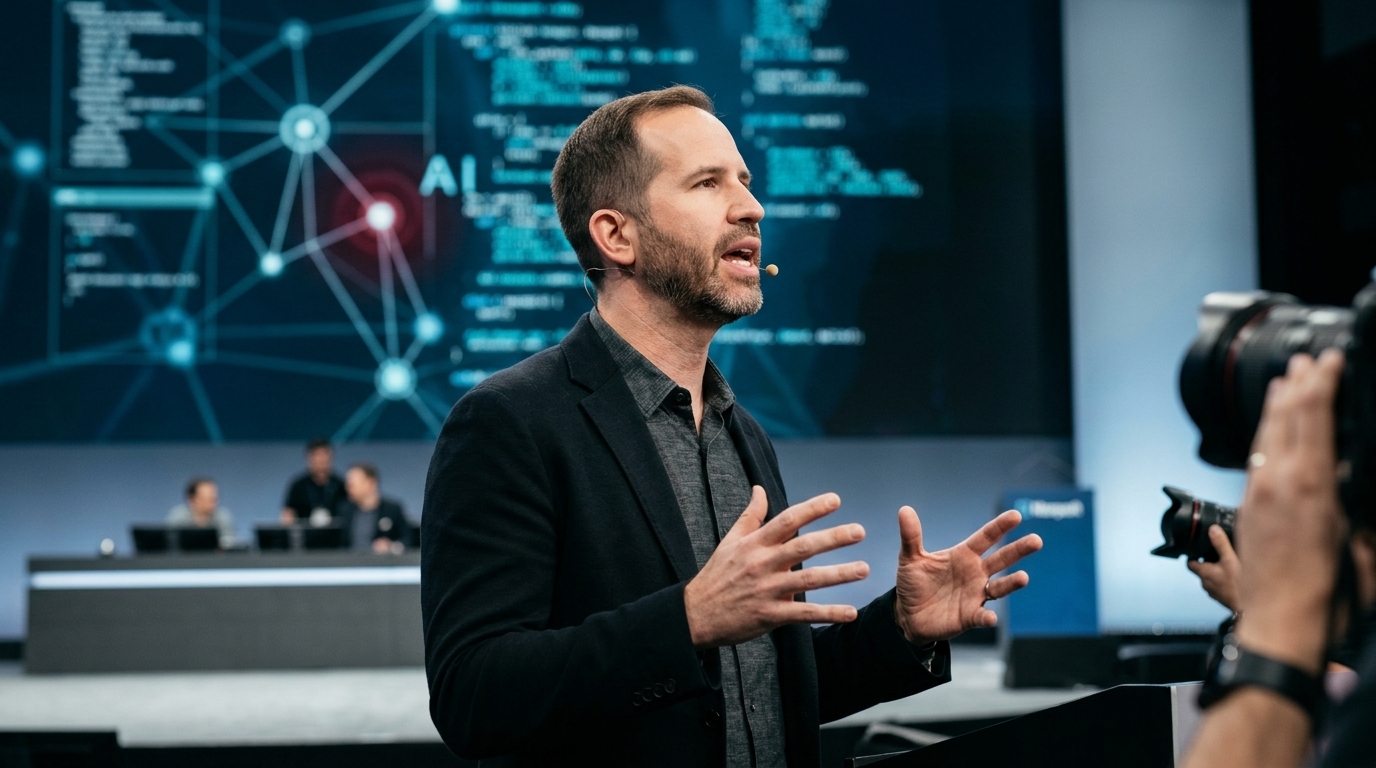
When Satya Nadella took the helm of Microsoft in 2014, the company was widely perceived as a "tired giant," shackled by the legacy of Windows and a cumbersome bureaucratic machine. Today, in 2026, Microsoft is not merely the leader in the Artificial Intelligence (AI) market, but the architect of a new, drastically shorter business cycle that is forcing the entire industry to move at a pace once thought impossible.
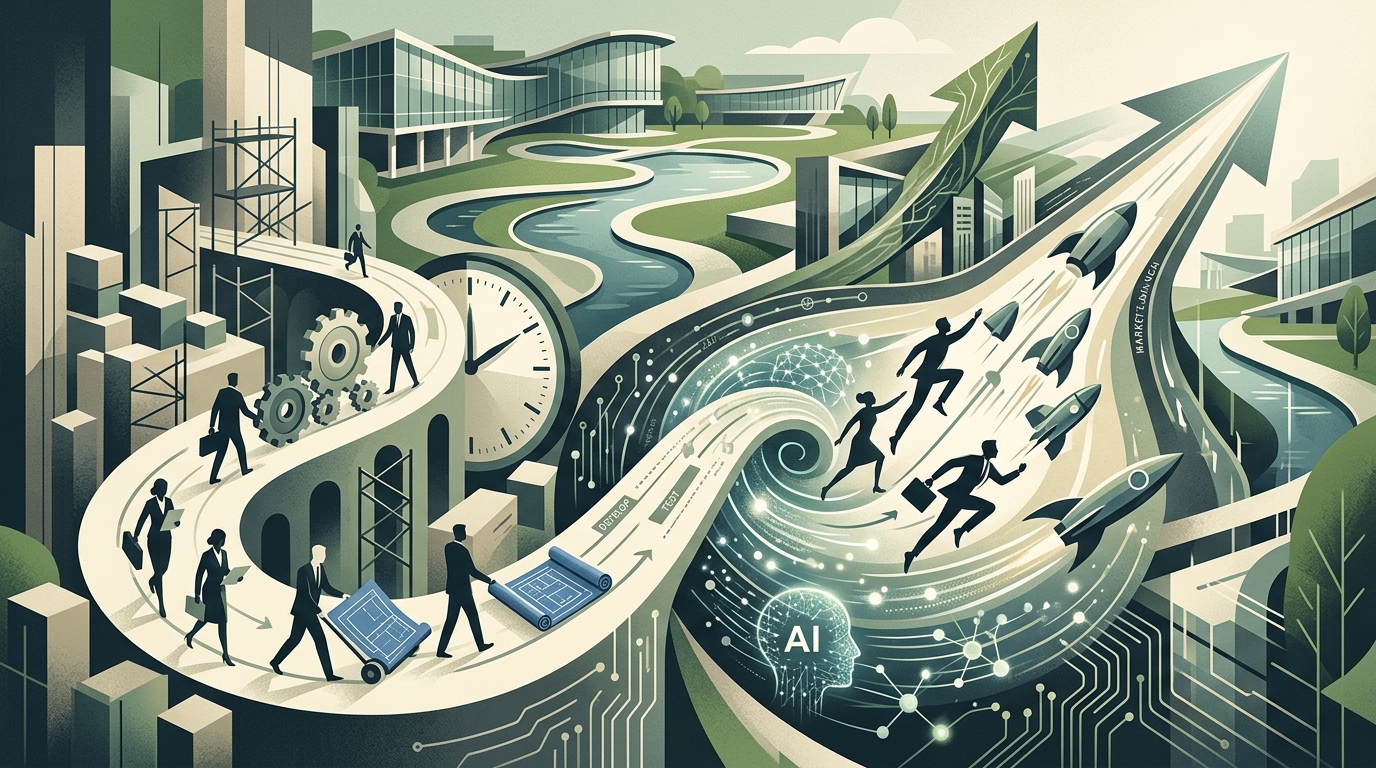
Recent analysis from Oikonomikos Tachydromos highlights a critical shift: the traditional software development cycle, measured in years, has given way to a continuous cycle of AI updates and integrations measured in weeks. Nadella has successfully transformed Microsoft into an enterprise that operates with the velocity of a startup while maintaining the scale of a three-trillion-dollar behemoth.
The Strategy of "Continuous Innovation"
The traditional Microsoft business cycle relied on major releases—think Windows or Office—that required three to five years of preparation. Under Nadella's leadership, this model has collapsed. The "Mobile First, Cloud First" strategy evolved into "AI First," and with it, the company's reaction time changed. The close partnership with OpenAI was not just an investment; it was the catalyst for integrating Copilot into every facet of the Microsoft ecosystem.
This new, shorter cycle means that user feedback is integrated almost in real-time. Large Language Models (LLMs) are continuously refined, and Azure’s infrastructure adapts dynamically to market needs. This creates a competitive advantage that is difficult to counter: Microsoft does not wait for the "perfect" version; it releases, learns, and evolves faster than its competitors.
Azure: The Engine of the New Cycle
No discussion of Microsoft's business cycle is complete without mentioning Azure. The company's cloud platform has become the global supercomputer for AI. Nadella's ability to foresee the need for massive computing power allowed Microsoft to commit resources and GPUs at a time when others hesitated.
- Infrastructure Agility: The ability to scale resources allows businesses of all sizes to adopt AI without massive upfront costs.
- Partner Ecosystem: The shorter cycle favors developers who can now build applications on Microsoft's API at lightning speed.
- Data Integration: Microsoft connects enterprise data with AI, creating a self-sustaining value cycle.
This approach has also shifted financial expectations. Investors no longer wait for the next "big event" every few years but monitor quarterly revenue growth from cloud and AI services, which show a steady and accelerating rise.
Challenges and the Geopolitical Context
However, the faster cycle carries risks. The pressure for continuous innovation can lead to security flaws or ethical dilemmas regarding AI development. Nadella must balance speed and responsibility, especially in an environment where the European Union and the US are tightening regulatory frameworks.
"Technology waits for no one, but trust is the only currency that remains stable in every cycle," Nadella has stated, emphasizing the importance of cybersecurity and ethics.
Microsoft is also at the center of the technological cold war between the US and China, with control over semiconductors and computing power being the new battlefield. The shorter business cycle means the company must be geopolitically agile, adapting its supply chains and partnerships to a constantly shifting international landscape.
Conclusion: The New Normal
Satya Nadella did not just change Microsoft; he changed the definition of success in the 21st century. The "shorter business cycle" is the answer to the complexity of our era. For businesses and organizations, the message is clear: inertia is the greatest enemy. The Microsoft of 2026 is living proof that even the largest organizations can dance to the rhythm of AI, provided they have leadership that dares to challenge the status quo and invest in the future before it becomes the present.