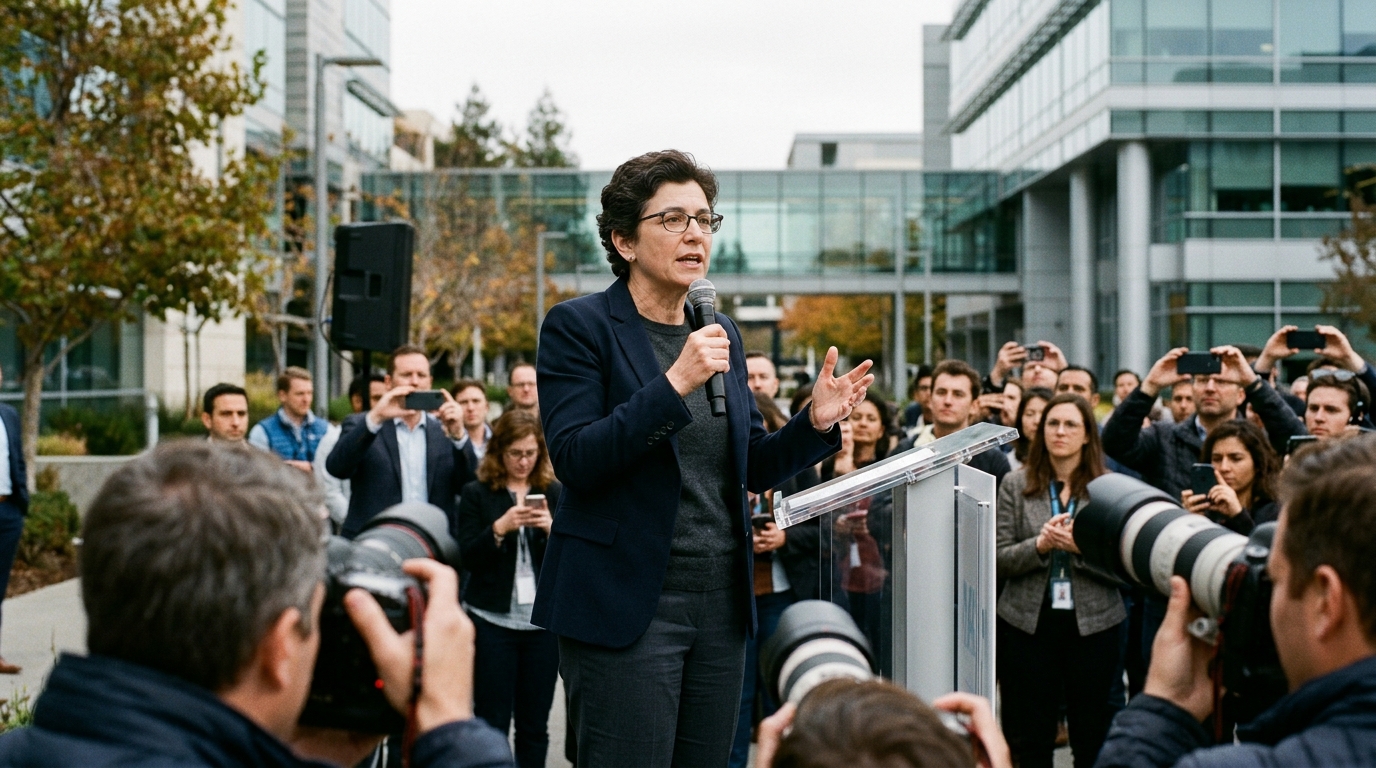
OpenAI, the organization that single-handedly ignited the generative AI boom, is reportedly moving into the final stages of preparing for a historic Initial Public Offering (IPO). What began as a non-profit research lab dedicated to ensuring AI benefits all of humanity is rapidly evolving into a corporate titan designed to meet the rigorous demands of Wall Street. This transition involves "tying up loose ends"—a polite euphemism for a radical overhaul of its governance, its relationship with Microsoft, and its core mission.
The Structural Pivot to Profit
The most significant hurdle for OpenAI is its Byzantine corporate structure. Currently, a non-profit board oversees a for-profit subsidiary, a setup that led to the chaotic, albeit brief, ousting of CEO Sam Altman in late 2023. To pave the way for an IPO, OpenAI is planning to transition into a for-profit benefit corporation. This move is intended to simplify its governance and make it more palatable to institutional investors who shy away from unconventional power dynamics. Crucially, this restructure would likely grant Sam Altman an equity stake, aligning his personal incentives with those of future shareholders—a prerequisite for any major public listing.
"OpenAI is no longer an academic pursuit; it is the infrastructure of the future. Wall Street requires the transparency and predictability of a standard corporate entity," noted a senior tech analyst.
The Microsoft Knot
One of the most complex "loose ends" is OpenAI’s symbiotic yet complicated relationship with Microsoft. Having funneled over $13 billion into the startup, Microsoft is entitled to a massive share of OpenAI’s profits. However, as OpenAI prepares to go public, it must define its independence. Regulators in the US, UK, and EU are closely monitoring the partnership for potential antitrust violations, questioning whether Microsoft’s influence stifles competition. For an IPO to succeed, OpenAI must demonstrate that it is a sovereign entity capable of thriving beyond the shadow of Redmond, while simultaneously ensuring it doesn't lose the cloud computing power that fuels its models.
Financial Realities and the Cost of Intelligence
While OpenAI’s revenue growth is staggering—reportedly on track to hit an annualized $4 billion—its burn rate is equally legendary. The cost of training next-generation models like GPT-5 and maintaining video-generation tools like Sora is astronomical. Investors will be looking for a clear path to profitability, not just growth. The company faces a dual challenge: it must continue to lead the technological arms race against Google, Meta, and Anthropic, while also proving that its business model can withstand the high costs of compute and potential legal liabilities from ongoing copyright lawsuits.
- Restructuring into a for-profit benefit corporation to attract institutional capital.
- Navigating intense regulatory scrutiny regarding market dominance and AI safety.
- Managing the high capital expenditures associated with GPU clusters and energy.
- Resolving high-profile legal battles with content creators and news organizations.
The IPO as a Referendum on AI
A potential OpenAI IPO would be more than a financial milestone; it would serve as a global referendum on the long-term value of Artificial Intelligence. With rumors of a valuation exceeding $150 billion, the stakes could not be higher. If successful, it would solidify AI’s position as the primary driver of the global economy for decades to come. However, the shift away from its original altruistic mission remains a point of contention. The challenge for Altman and his team will be to convince the public and the markets that a profit-driven OpenAI can still be a safe and ethical steward of the most powerful technology ever created.