The news that OpenAI, the company behind the world-altering ChatGPT, is preparing for its Initial Public Offering (IPO) is not merely a business development. It is a watershed moment for the history of technology and, perhaps, for the evolution of civilization itself. After years of internal turmoil, governance shifts, and an unprecedented surge in valuation, Sam Altman’s firm appears ready to hand the keys of its governance to the mechanisms of the free market. However, a fundamental question arises: Are financial markets, with their short-term focus on profit, the appropriate environment for managing a technology that many consider existential?
The Metamorphosis from Non-Profit to Corporate Juggernaut
OpenAI began in 2015 as a non-profit research lab with a sacred mission: to ensure that Artificial General Intelligence (AGI) benefits all of humanity. Its original structure was designed to shield researchers from the pressures of capital. Yet, the hunger for massive computational power—and the billions of dollars required to train models like GPT-5 and GPT-6—led to a gradual but irreversible pivot toward capitalism.
The transition to a 'capped-profit' structure was the first step. Now, with the prospect of an IPO, OpenAI is required to align with the demands of Wall Street. This means quarterly earnings reports, pressure for constant revenue growth, and, above all, the fiduciary duty to maximize shareholder value. In this context, AI 'safety' and 'ethics' risk being demoted from core pillars to mere public relations (ESG) metrics, cast aside whenever they conflict with the bottom line.
The Tyranny of Quarterly Results
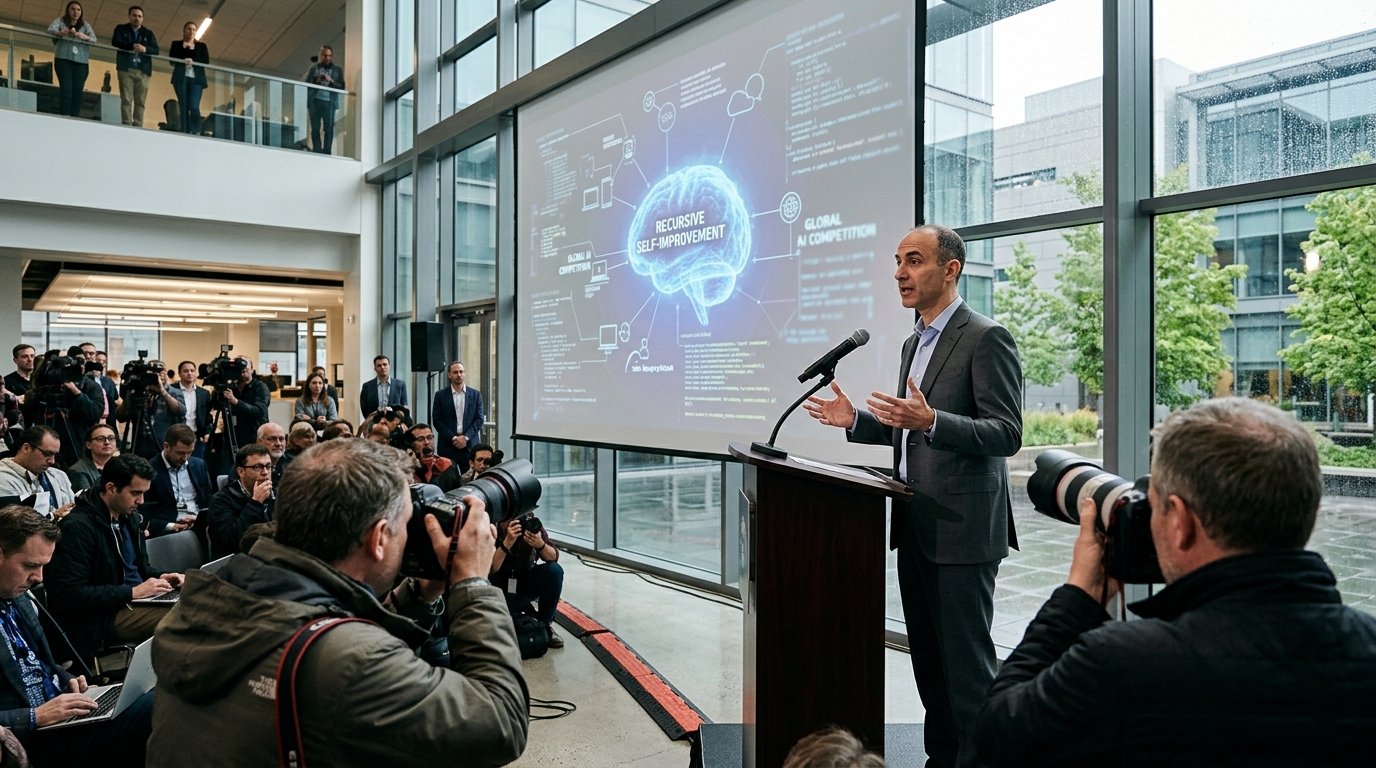
The greatest risk of a public OpenAI is speed. In the investment world, stagnation is equivalent to death. Analysts will demand new products, new subscriptions, and greater market penetration in every fiscal cycle. This creates a dangerous incentive for the premature release of models that may not have been fully vetted for bias, misinformation, or 'hallucinations.'
- Loss of Control: Shareholders can exert pressure to remove leaders who prioritize safety over aggressive growth.
- Talent Drain: Researchers who joined OpenAI for its mission may depart, seeing the company transform into a 'Google 2.0.'
- Monopolistic Tendencies: The need for profit may lead to closed ecosystems, limiting AI access only to those who can afford it.
As many analysts point out, Wall Street is not famous for its ability to manage long-term risks that lack immediate financial impact. Climate change is a classic example of market failure to correctly price a future hazard. Can we expect anything different for AI?
The Geopolitical Dimension and Regulatory Challenge
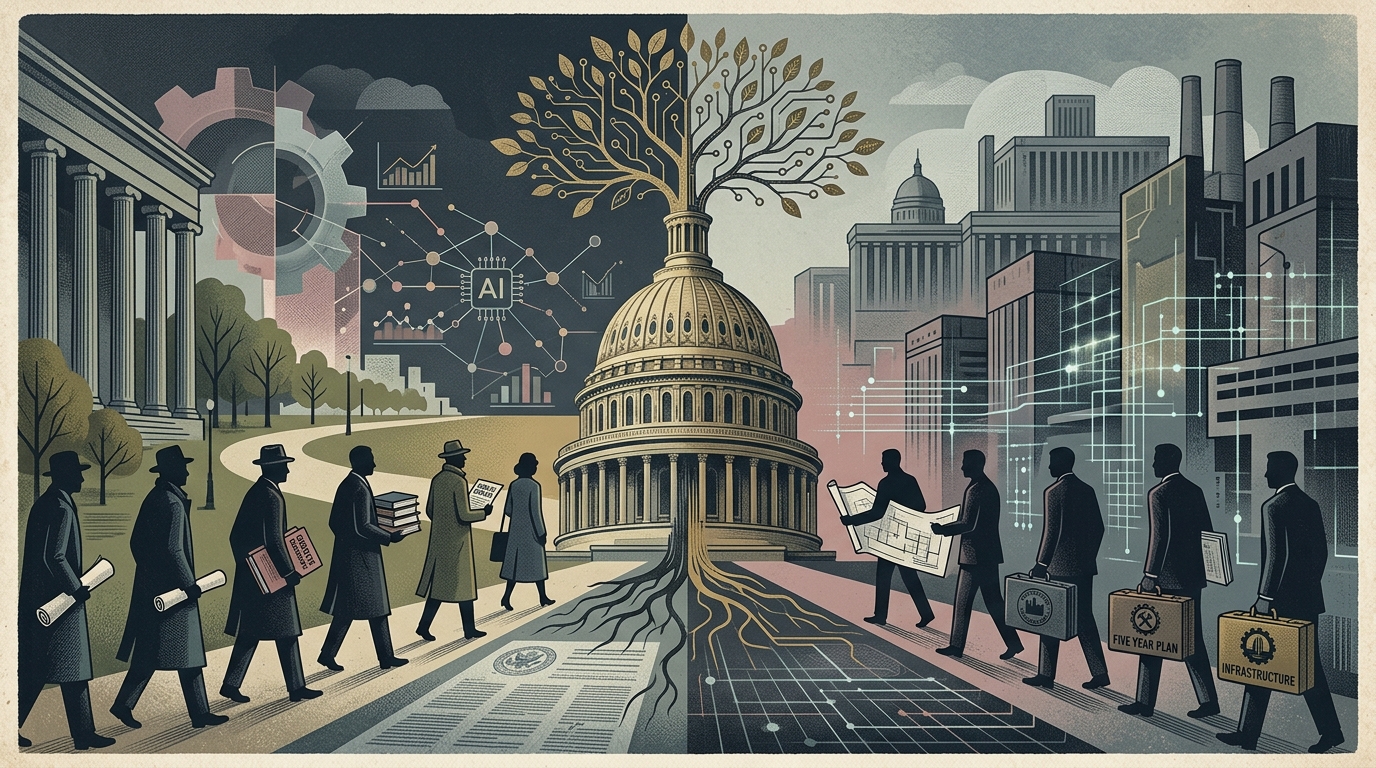
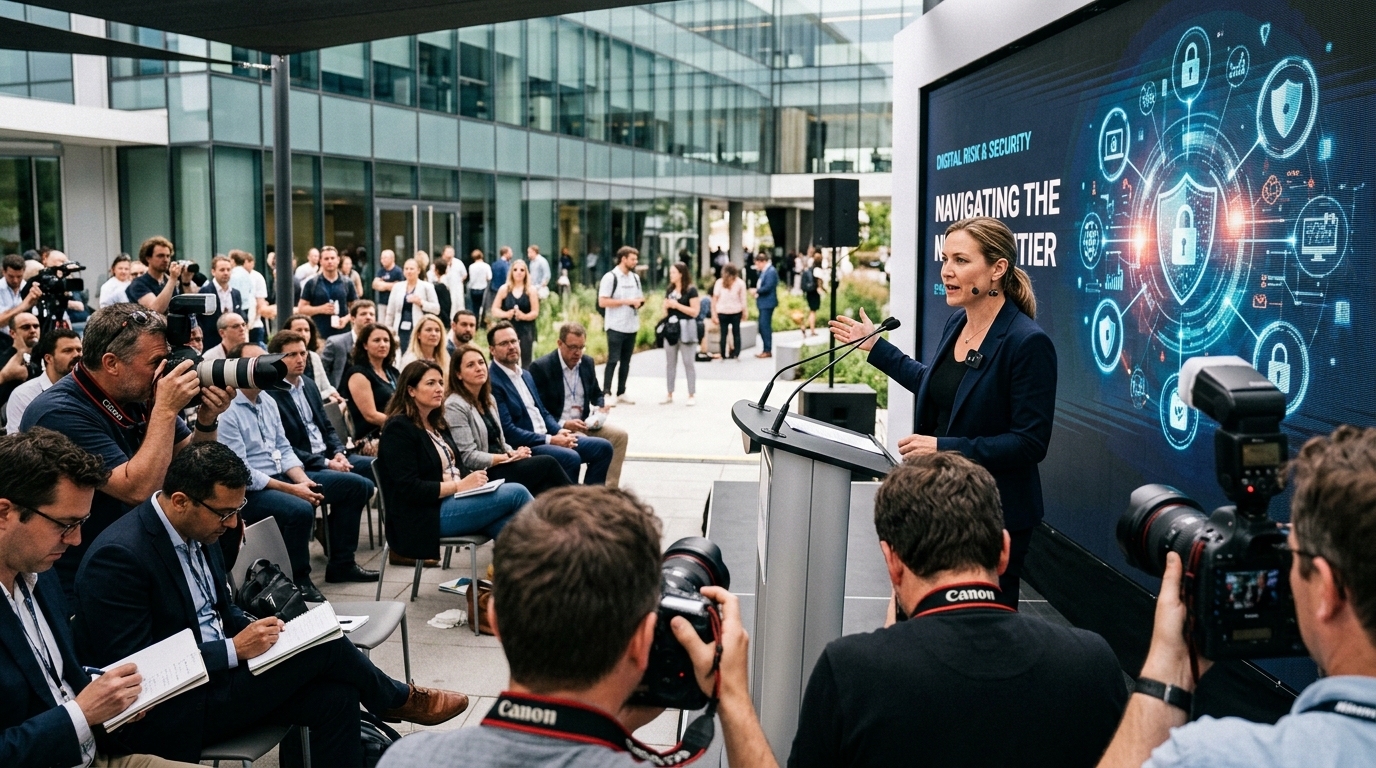
Going public will bring OpenAI under the microscope of the U.S. Securities and Exchange Commission (SEC) and other international regulators. While this could provide a layer of transparency currently missing from private tech firms, it also creates a paradox. OpenAI will become a U.S. national asset, intensifying the technological cold war with China.
"When a technology with the power of AI becomes a publicly traded asset, its sovereignty is no longer just about code, but about the flow of global capital," a senior tech analyst remarked.
The European Union, through the AI Act, will find itself facing a giant that is no longer a research entity but a wealth-generation machine. Imposing fines or restrictions on a public company has direct implications for the pensions and investments of millions of people, making political intervention far more complex and politically sensitive.
Conclusion: The End of Innocence
OpenAI’s path to the stock market marks the definitive end of the romantic era of Artificial Intelligence. This technology is now the most valuable commodity in the world. While capital can accelerate innovation, history has taught us that markets lack a moral compass. The responsibility now shifts to citizens and lawmakers: we must ensure that the 'invisible hand' of the market does not become the hand that leads AI down uncontrollable paths, dangerous to the common good.