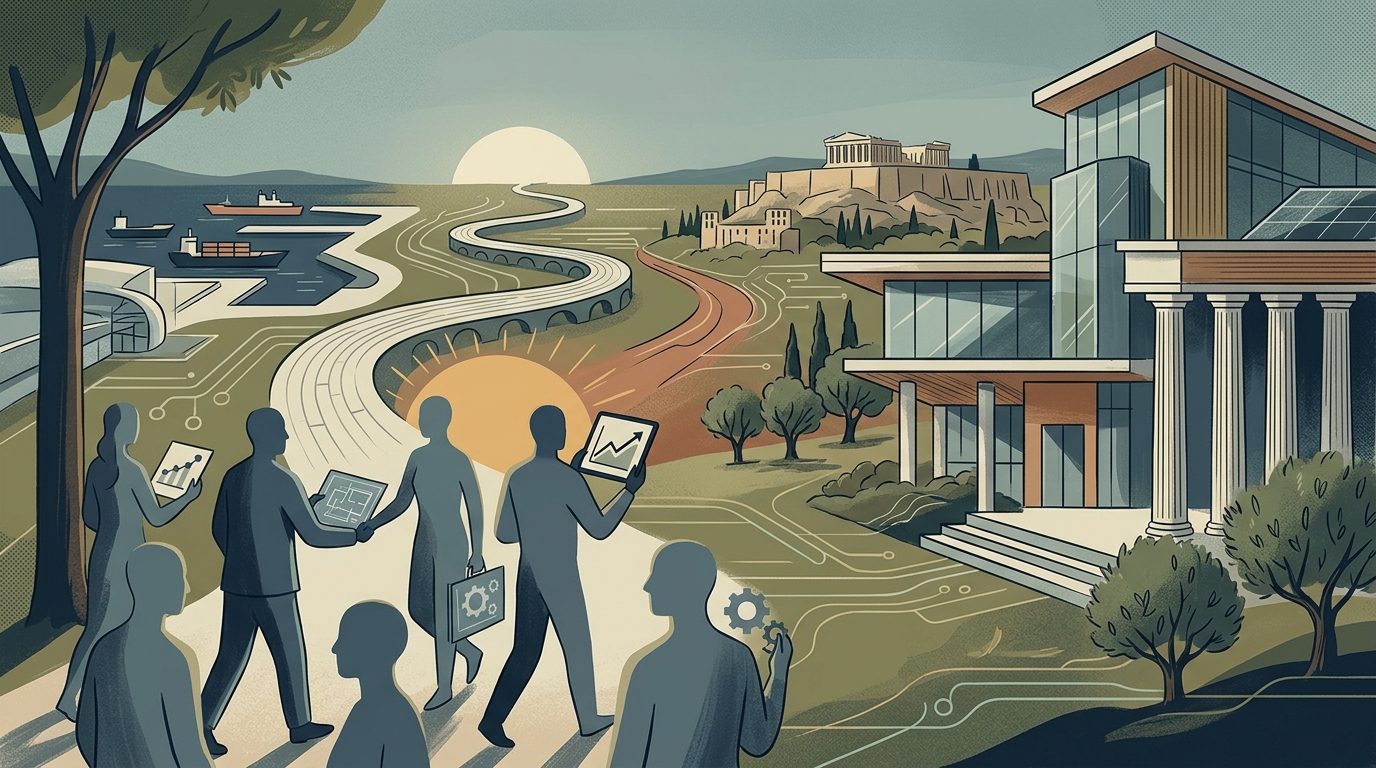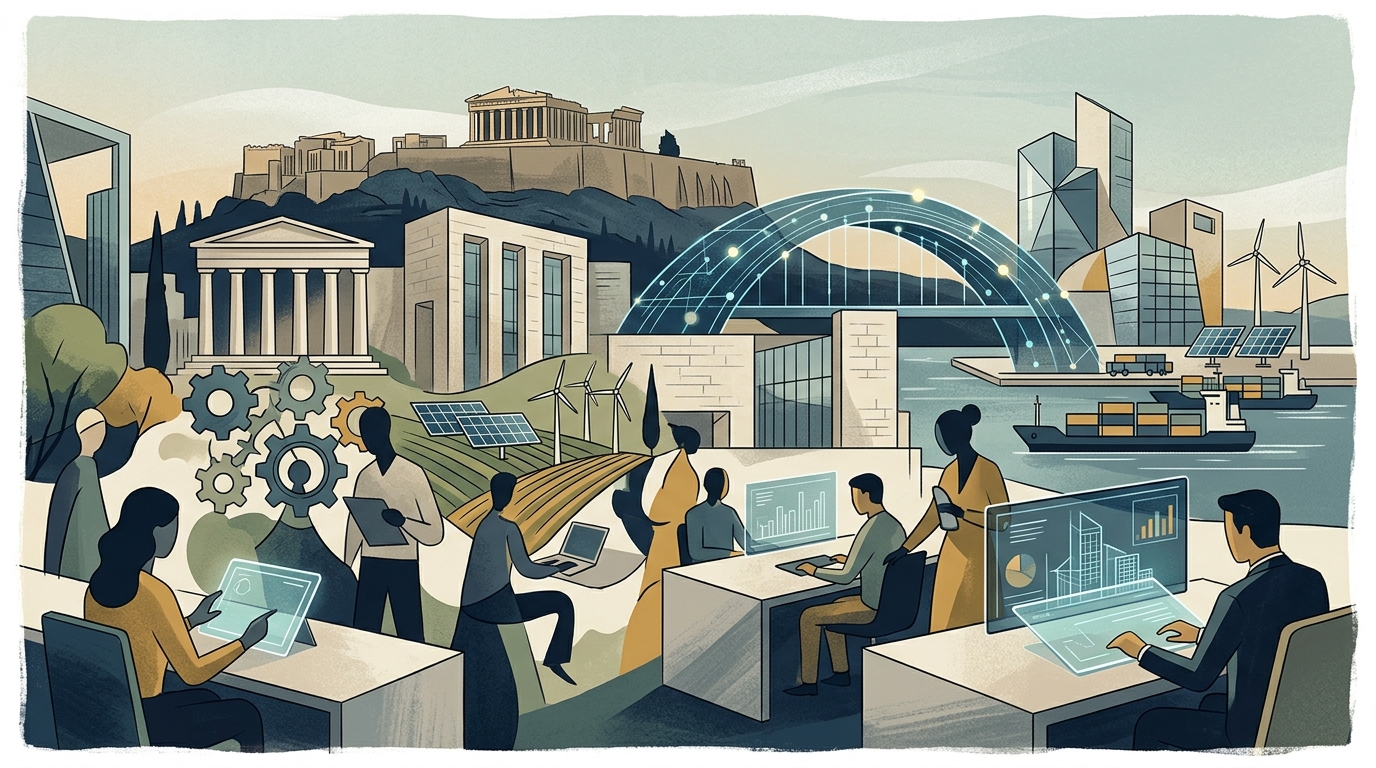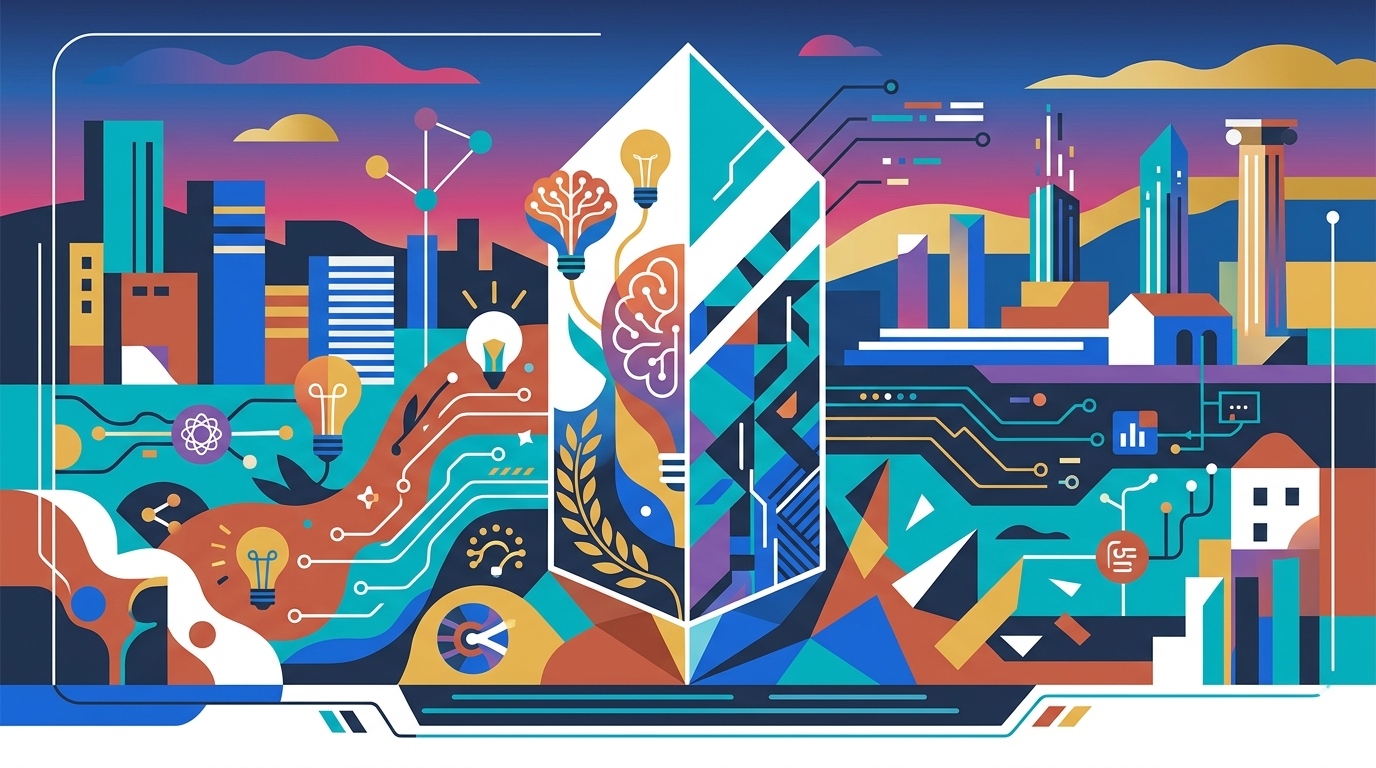
Artificial Intelligence (AI) is no longer a future promise or a dystopian threat from science fiction movies; it is the new reality permeating every aspect of our daily lives in 2026. At this pivotal moment, Theofanis Tasis, one of the most insightful thinkers of our time, poses the crucial question: Does Artificial Intelligence enrich or dehumanize our lives? The answer, as he argues, is not straightforward but depends on our ability to define a new "Digital Humanism."
The Challenge of Digital Humanism
At the core of Tasis’s thought lies the concept of Digital Humanism. As algorithms take over more decisions—from what we buy to how we stay informed—the danger of "algorithmic governmentality" becomes visible. Tasis warns that if we allow technology to automate our judgment, we risk losing what makes us unique: the capacity for spontaneity, error, and unpredictable creativity.
The enrichment of life through AI occurs when technology functions as an "exoskeleton of the spirit." That is, when it relieves us of repetitive tasks, allowing us to devote ourselves to activities that require empathy, moral judgment, and deep thought. However, Tasis points out that modern humans often choose convenience over authenticity, leading to a "dehumanization" where experience is entirely mediated by the screen.
The Virtual Self and the Loss of Serendipity
One of the most interesting aspects of Tasis’s analysis is our relationship with the "Virtual Self." In the digital world, we create carefully curated images of ourselves, fed by data. AI analyzes this data and returns a reality tailored to our perceived preferences. This "filter bubble" eliminates serendipity—the encounter with the different, the unexpected, the annoying yet necessary for personal growth.
- The automation of desire: Algorithms predict what we want before we even think of it, reducing inner searching.
- The crisis of attention: Constant distraction from digital notifications undermines the possibility for deep reflection.
- The erosion of privacy: Turning life into data makes humans transparent and controllable.
Tasis argues that dehumanization doesn't happen because machines are becoming "smart," but because humans are becoming "mechanical." When efficiency becomes the sole value, then human vulnerability and failure—structural elements of our existence—are marginalized.
The Political Dimension and Democracy
The discussion about AI is not only philosophical but deeply political. Tasis refers to the risk of a new form of totalitarianism, where power is exercised not through violence but through algorithmic manipulation. In the digital agora, public opinion is shaped by bots and targeted campaigns, making genuine dialogue impossible. The challenge for modern democracies is to integrate AI in a way that protects citizen autonomy.
"Technology is a mirror. If we don't like what we see, it's not the mirror's fault, but the face reflected in it."
In conclusion, Theofanis Tasis invites us to be neither technophobic nor uncritically technophilic. Artificial Intelligence can enrich our lives only if we use it to expand the human experience rather than substitute it. The need for a new education, teaching the critical management of technology, is more urgent than ever. The human of the future must be a "digital craftsman" who knows when to use the tool and when to set it aside to face the world with their own eyes.