The era where Artificial Intelligence was confined to our computer screens and data centers is rapidly drawing to a close. As we move through 2026, the industry's grand promise is no longer just smarter large language models, but "Embodied AI." At the heart of this revolution stands Serve Robotics, a company that spun out of Postmates and has now become Nvidia’s "poster child" in the realm of autonomous urban delivery.
A Strategic Alliance with the Semiconductor Giant
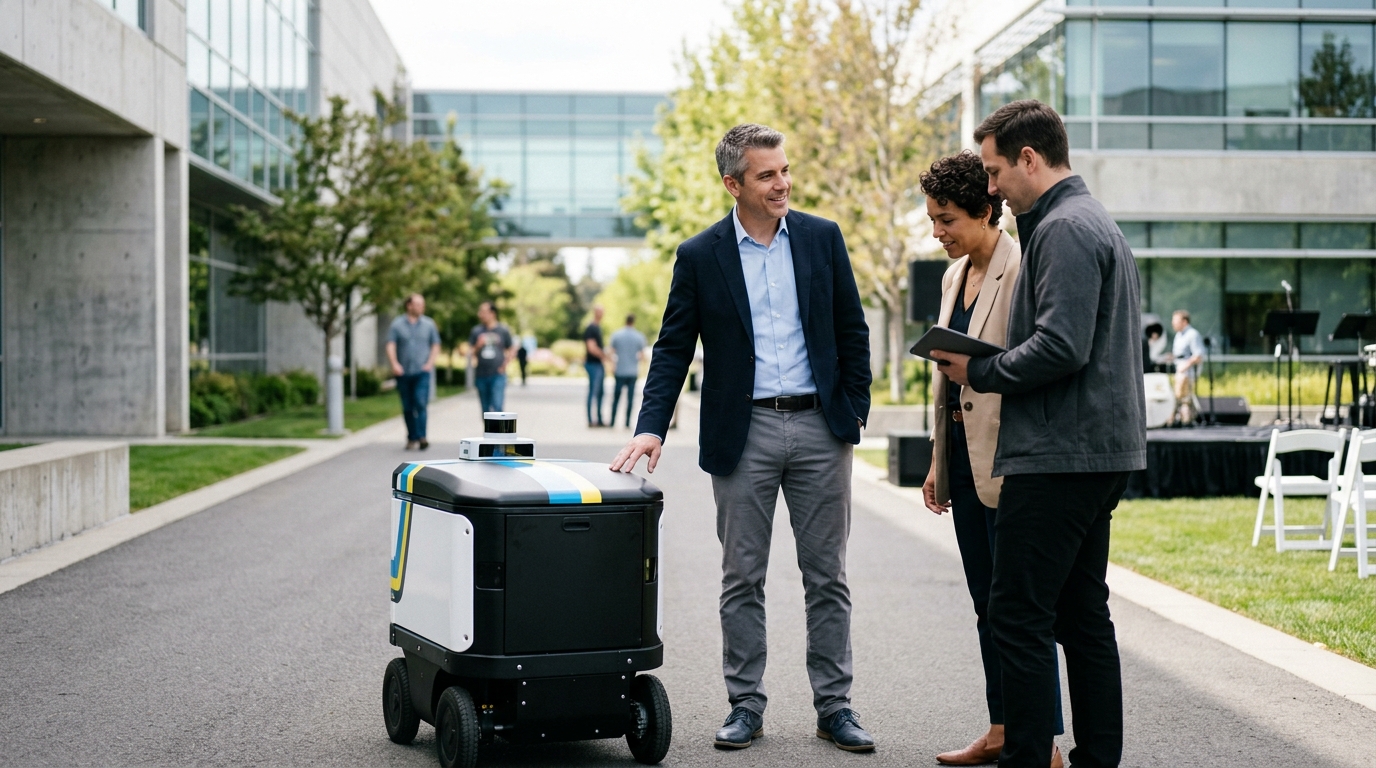
Nvidia’s investment in Serve Robotics is far more than a simple vote of confidence in the delivery market. It is a calculated move within a broader strategic blueprint. Nvidia, under the leadership of Jensen Huang, has made it clear that the next wave of AI will involve robots that perceive, reason, and interact with the physical world. Serve Robotics utilizes Nvidia’s Jetson platform, which enables its small, autonomous robots to process vast amounts of sensor data in real-time, achieving Level 4 autonomy.
This means the robots can navigate crowded sidewalks, avoid obstacles, and interact with pedestrians without the need for constant human intervention. For Nvidia, Serve provides the perfect "proving ground" to demonstrate that its hardware can dominate the asphalt just as it dominates the server room.
Financial Outlook: The Case for a 3x Jump
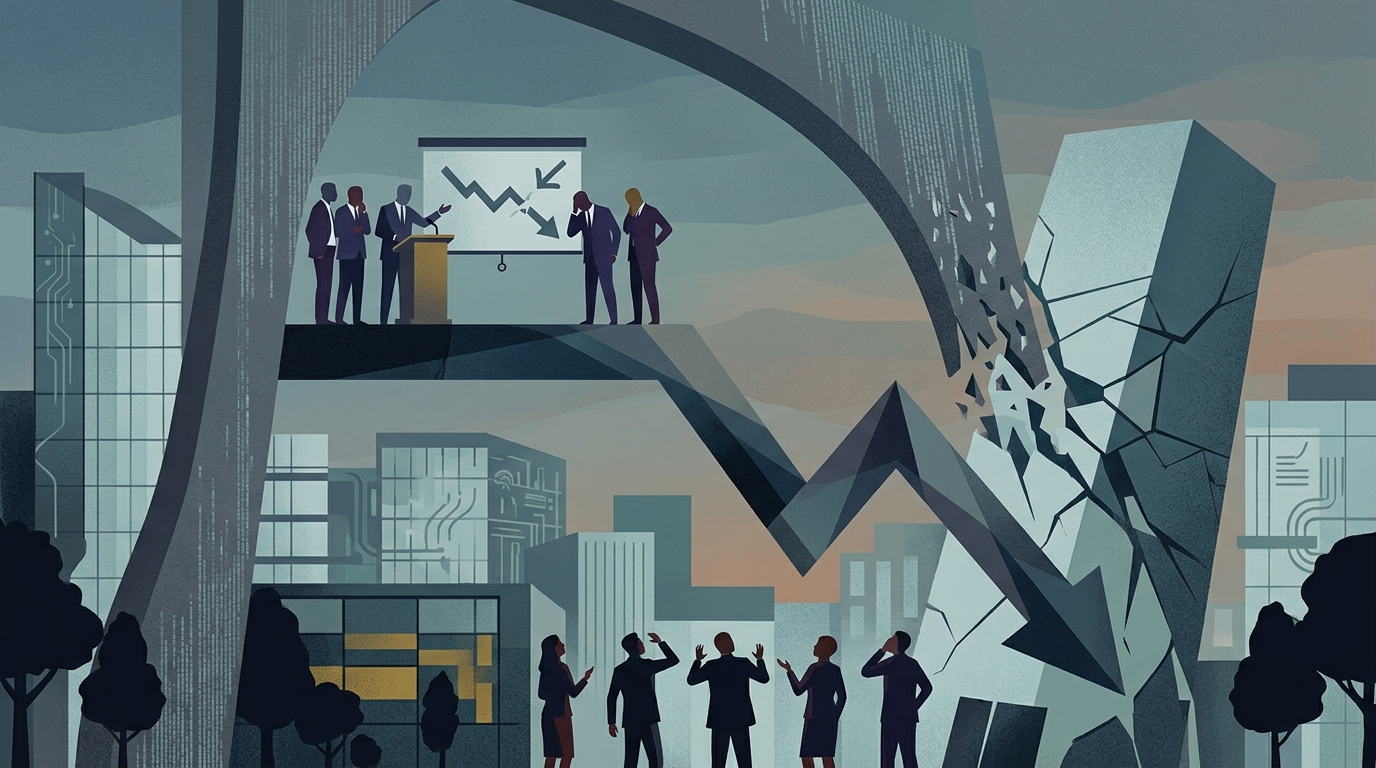
Wall Street analysts, including those at The Motley Fool, are keeping a close watch on Serve Robotics. The projection for a potential 3x jump in stock value is rooted in the harsh but lucrative mathematics of logistics. The "last-mile" delivery is notoriously the most expensive and inefficient segment of the supply chain, often accounting for up to 50% of total shipping costs.
- Cost Reduction: Serve’s robots can complete deliveries at a fraction of the cost of a human driver.
- Scalability: A high-profile partnership with Uber Eats allows for rapid expansion across major metropolitan areas.
- Sustainability: The fully electric nature of the robots aligns with the green urban policies being adopted globally.
However, the path forward is not without friction. Serve Robotics must contend with stiff competition from rivals like Starship Technologies, as well as the regulatory hurdles imposed by municipalities regarding sidewalk usage. The company’s ability to transition from pilot programs to a profitable, global network will determine whether the "3x" forecast is a realistic target or mere investor hyperbole.
The Social Dimension: Robots Among Us
Beyond the balance sheets, the entry of AI into the physical world raises profound questions about the structure of our cities.
"We aren't just building robots; we are redesigning how matter moves through the urban fabric,"company executives often state. The presence of these machines on sidewalks requires a new social contract. How will citizens react to the occupation of public space by private autonomous agents? What will be the fate of the thousands of gig workers currently employed in delivery?
Serve Robotics attempts to frame its robots as "friendly neighbors," featuring designs with digital "eyes" that signal intent. This anthropomorphic approach is critical for public acceptance. If Nvidia and Serve can convince the public that these robots are helpful utilities rather than intrusive machines, the financial gains will be just the beginning of a new epoch in human-robot coexistence.