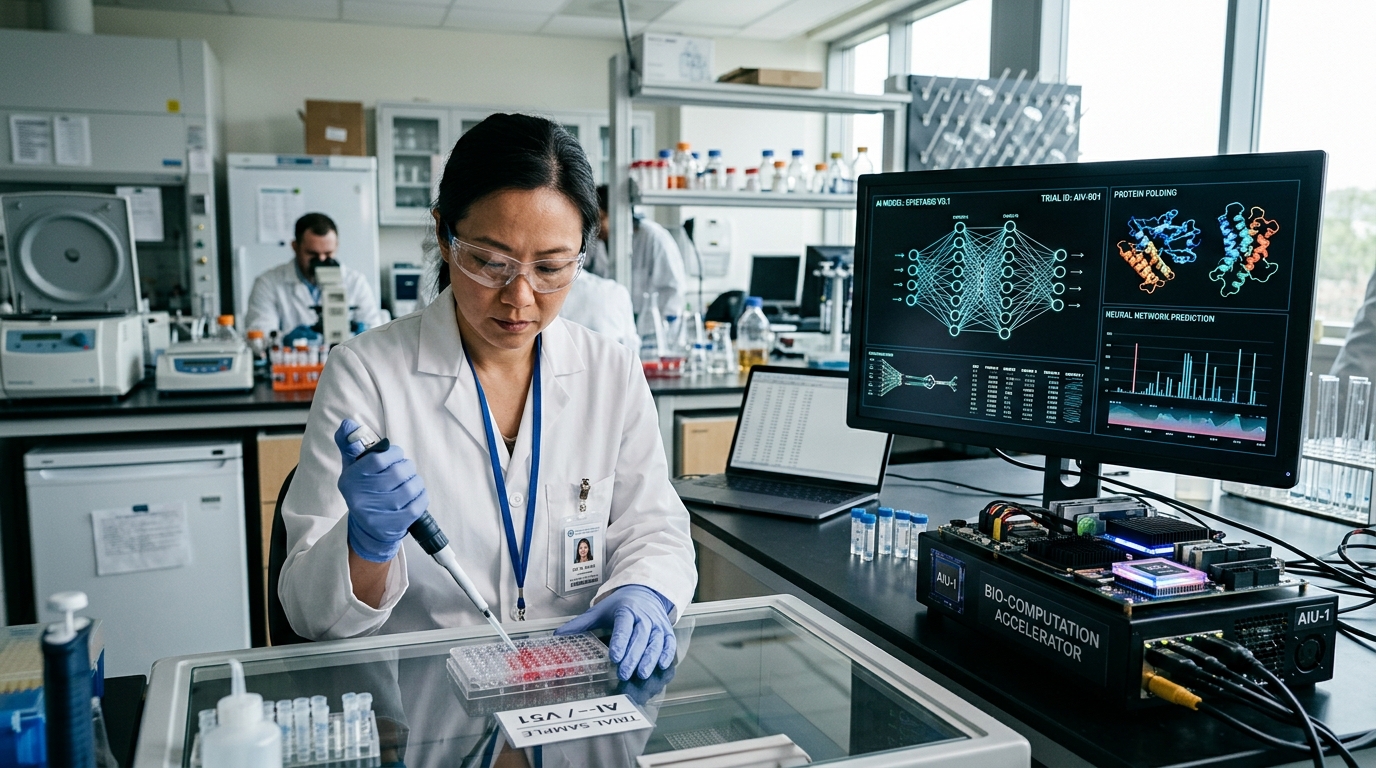
In a move that redefines the role of European artificial intelligence on the global stage, Mistral AI today announced a spectacular expansion into the realm of 'Physical AI.' The French company, previously seen primarily as a competitor to OpenAI in the large language model (LLM) space, is shifting its center of gravity toward heavy industry, signing strategic agreements with two of the strongest pillars of European manufacturing: Airbus and BMW.
The announcement, accompanied by news of a new, state-of-the-art data center on French soil, marks a new phase for Arthur Mensch’s firm. Mistral is no longer merely seeking to provide a 'clever conversationalist' but aims to become the digital brain behind aircraft manufacturing, vehicle design, and production line optimization. This pivot toward Physical AI involves integrating intelligence into material systems where precision and safety are of vital importance.
The Alliance with Airbus and BMW: From Design to Flight
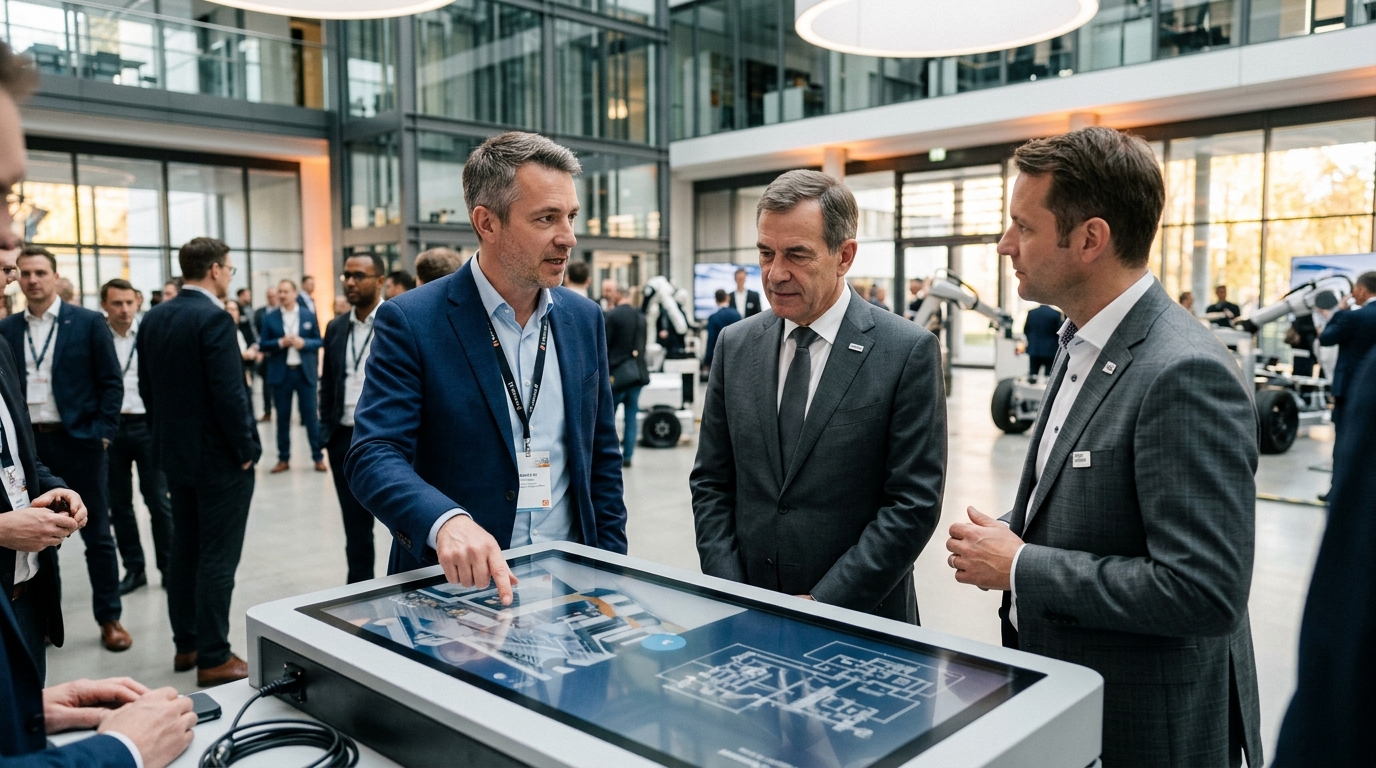
The partnership with Airbus is far more than a simple software procurement deal. According to sources close to the company, Airbus will utilize Mistral’s specialized models to accelerate engineering processes and manage the immense complexity required in assembling modern aircraft. The AI will assist engineers in predicting material fatigue, optimizing aerodynamics through simulations, and managing supply chains with unprecedented speed.
Similarly, within the BMW Group, Mistral AI will be integrated into the 'Digital Twin' systems of its factories. The ability of Mistral’s models to process technical data in real-time allows BMW to reduce the time from design to production while ensuring that every robotic arm on the assembly line operates with maximum efficiency. "We are no longer talking about chatbots," Mensch stated. "We are talking about intelligence that can touch the physical world."
Physical AI: The New Geopolitics of Technology
The term 'Physical AI' refers to the ability of AI models to understand and interact with the laws of physics, geometric data, and industrial processes. For Europe, this development is of strategic importance. While the US dominates consumer software and China leads in infrastructure, Europe remains a global leader in high-end engineering and automotive manufacturing. By offering AI solutions tailored to these sectors, Mistral is creating a bulwark against dependence on American platforms like Microsoft and Google.
The decision to establish a new data center in France reinforces this narrative of 'digital sovereignty.' Many industries, especially in the defense sector (Airbus), are hesitant to send sensitive data to servers controlled by foreign powers. Mistral’s new data center will operate under European law, offering privacy and security guarantees that its Silicon Valley competitors struggle to match.
Arthur Mensch’s Business Gamble
For Arthur Mensch, the 33-year-old CEO of Mistral, the stakes are twofold: economic and technological. The Physical AI market is expected to skyrocket in the coming years as factories transform into fully autonomous units. Mistral, remaining 'lean' and agile compared to US giants, can offer fine-tuned models that run locally on customer premises, reducing costs and latency.
However, the challenge remains scaling. Training models that understand physics requires different types of data and massive computational power. Support from Airbus and BMW provides not just capital, but access to invaluable industrial data necessary for training these systems. If Mistral succeeds, it will have proven that there is a 'third way' in AI: a path that combines European industrial heritage with cutting-edge technology.