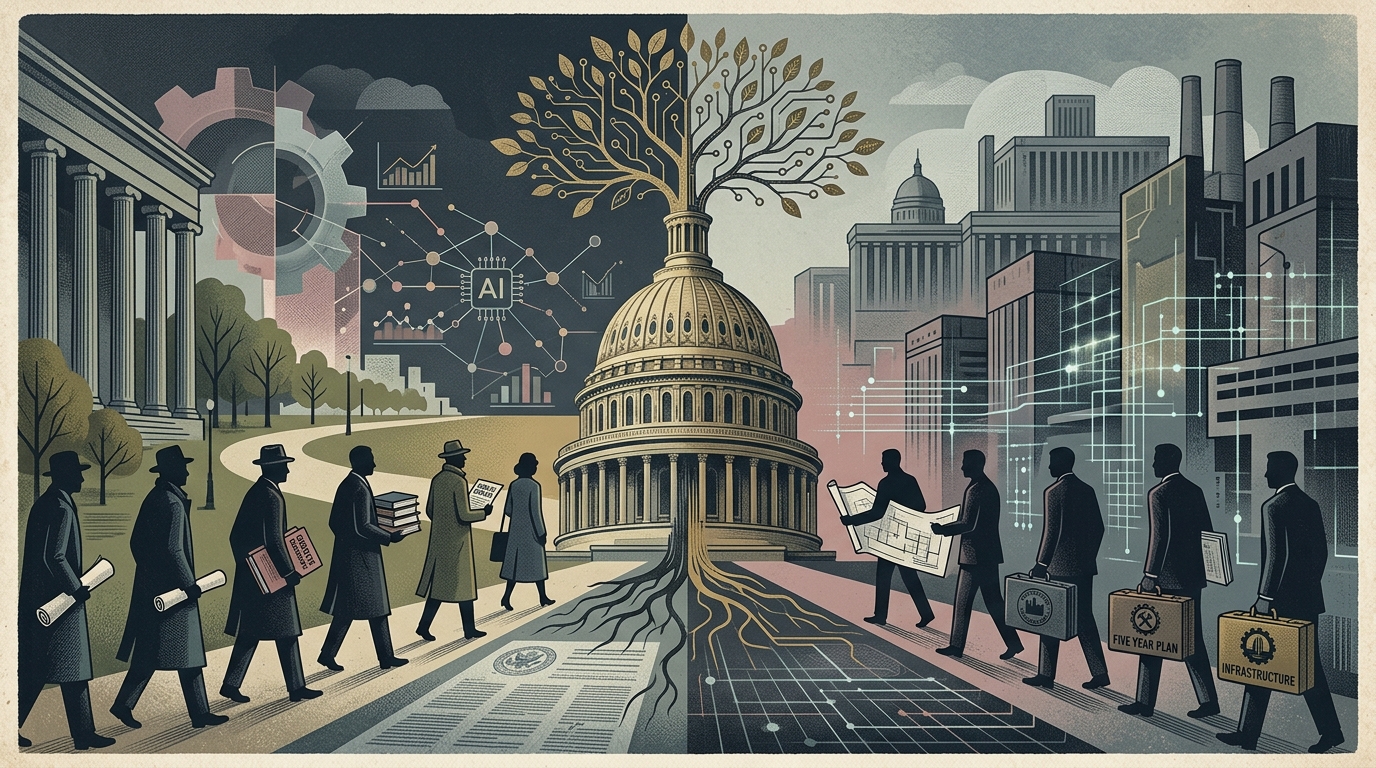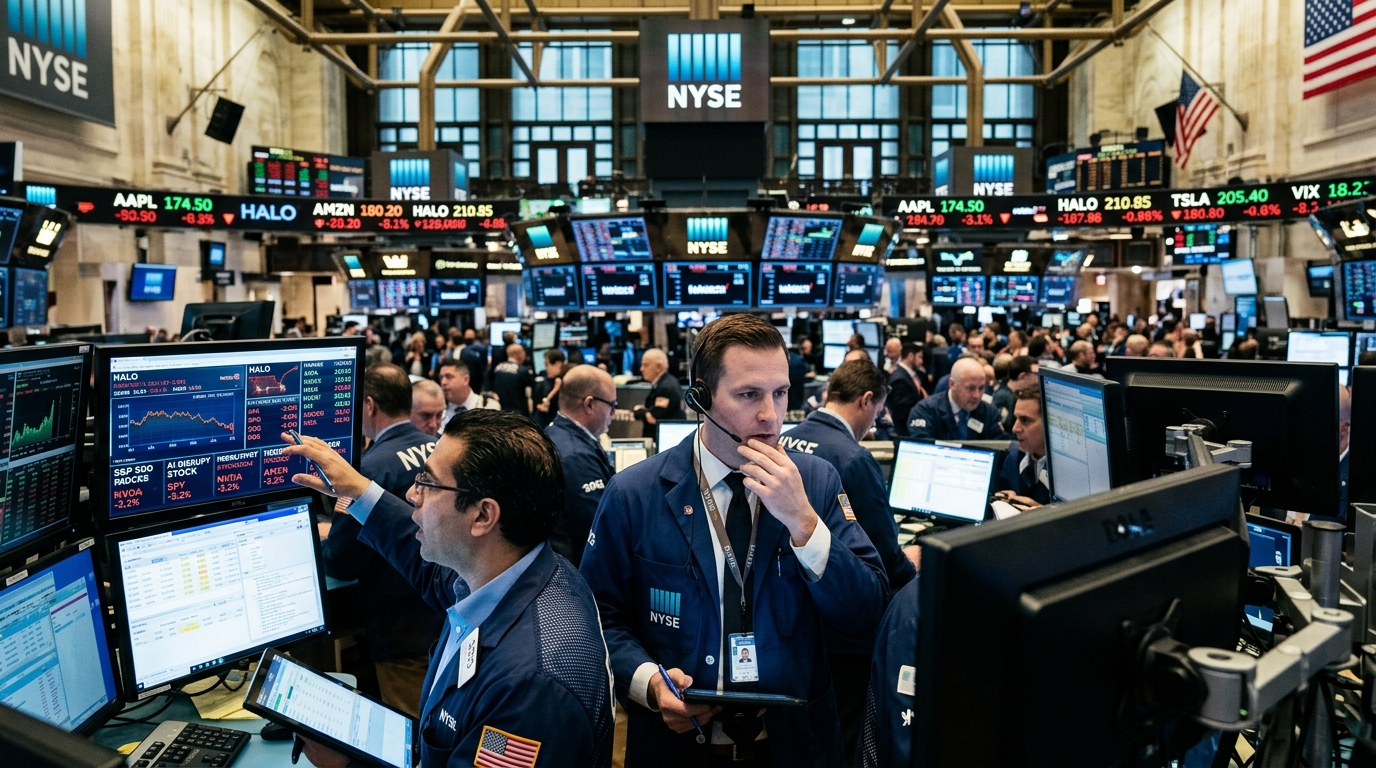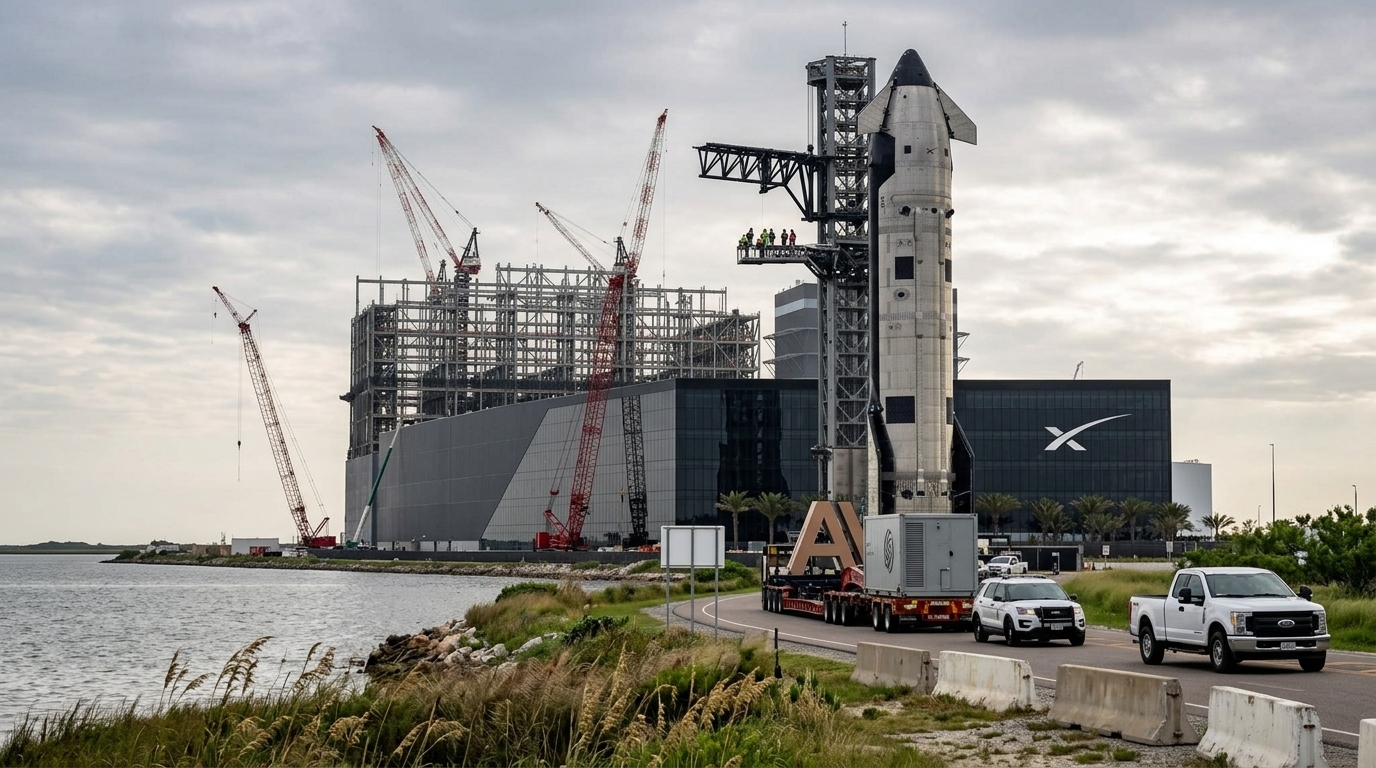
The New York stock market stands on the precipice of a new era. After a prolonged drought in Initial Public Offerings (IPOs), the imminent entry of three iconic companies—SpaceX, OpenAI, and Anthropic—promises not only to revitalize investor interest but also to completely rearrange the balance of power on Wall Street. These are not merely new stocks; they represent the entry of the "new economy" of intelligence and space infrastructure into the public domain.
The Trio Redefining the Rules
For years, investors have watched with bated breath as the so-called "decacorns"—companies with valuations exceeding $10 billion—remained stubbornly private. Elon Musk's SpaceX, Sam Altman's OpenAI, and Anthropic, the major rival in the field of safe AI, represent the tip of the spear in this trend. Their combined valuation exceeds $300 billion, a scale that could immediately place them at the top of the S&P 500 index.
OpenAI, in particular, is at a critical juncture. Its transition from a non-profit research entity to a commercial giant seeking profitability is the prerequisite for its IPO. Backed by Microsoft and with a valuation flirting with $100 billion, OpenAI isn't just selling software; it's selling the operating system of the future. Anthropic, on the other hand, having raised billions from Amazon and Google, offers an alternative approach, focusing on "constitutional AI" and safety, attracting institutional investors who fear the risks of unchecked technological development.
SpaceX: The Sovereign of the Skies
If OpenAI is the heart of the digital revolution, SpaceX is the backbone of the physical infrastructure of the future. Musk's company has achieved the unthinkable: making space a profitable business enterprise. Starlink, the company's satellite arm, is now generating positive cash flow, making it the ideal candidate for an IPO that could break all previous records.
"SpaceX is no longer an experimental rocket company. It is a telecommunications and logistics company that happens to operate in orbit," says a Morgan Stanley analyst.
SpaceX's entry into the stock market will offer investors the first real opportunity to bet on the space economy with security. Its dominance in launches and its monopolistic position in providing internet to remote areas make it a "defensive" growth stock, a rare combination that Wall Street adores.
Implications for Market Structure
The simultaneous entry of these companies will cause a significant reallocation of capital. Investors will likely liquidate positions in older tech companies to position themselves in the new leaders. This could lead to a "bubble" in the short term, but in the long term, it will create a new pillar in the market, similar to the one created by the FAANG (Facebook, Apple, Amazon, Netflix, Google) in the previous decade.
- Liquidity: These IPOs will release massive amounts of capital for early investors (VCs), who will in turn reinvest it in new startups.
- Indices: The inclusion of these companies in the Nasdaq and S&P 500 will change the weight of the indices, making them even more dependent on AI and aerospace.
- Geopolitics: The public trading of these companies will place them under stricter scrutiny but will also bolster American technological hegemony against China.
In conclusion, the frenzy expected on Wall Street is not merely speculative. It is the realization that the world has changed. Artificial intelligence and access to space are no longer science fiction but the primary drivers of the global economy for the next fifty years. Those who adapt early to this new reality will be the winners of the next decade.