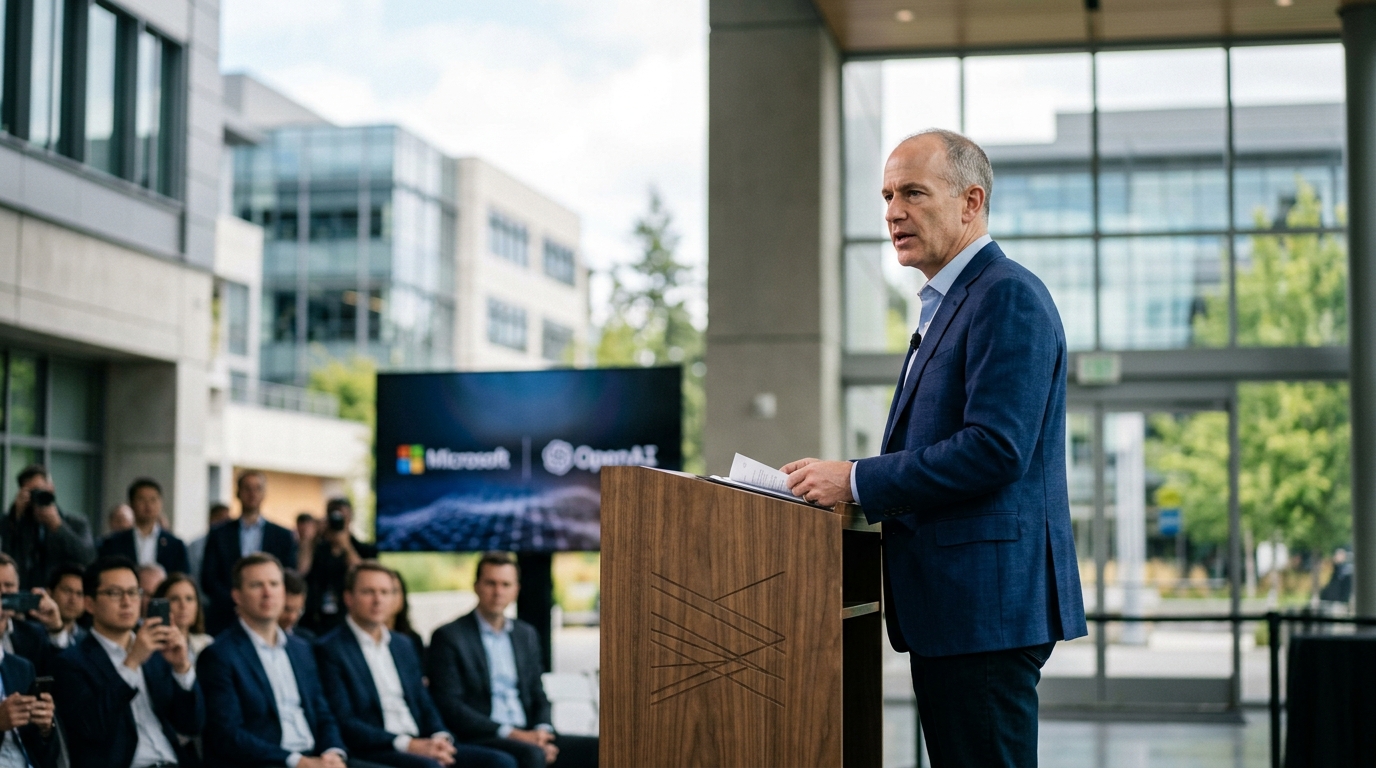
The relationship between Microsoft and OpenAI, often described as the most consequential marriage in tech history, is entering a new, more intricate phase. What began as a straightforward multi-billion dollar investment in exchange for exclusivity has morphed into a delicate power balance, as both partners attempt to maintain their synergy while dodging antitrust bullets and managing internal competition. The recent revamp of their partnership terms is not merely a bureaucratic adjustment; it is a strategic pivot that could redefine Microsoft’s artificial intelligence 'moat.'
Regulatory Scrutiny as a Catalyst for Change
The primary driver behind the perceived 'distancing' of the two entities is the mounting pressure from regulators in the US, the EU, and the UK. Antitrust authorities fear that Microsoft has acquired de facto control over OpenAI, potentially stifling competition in the Generative AI market. In response, Microsoft recently relinquished its non-voting observer seat on OpenAI’s board—a move designed to signal that OpenAI operates as an independent entity.
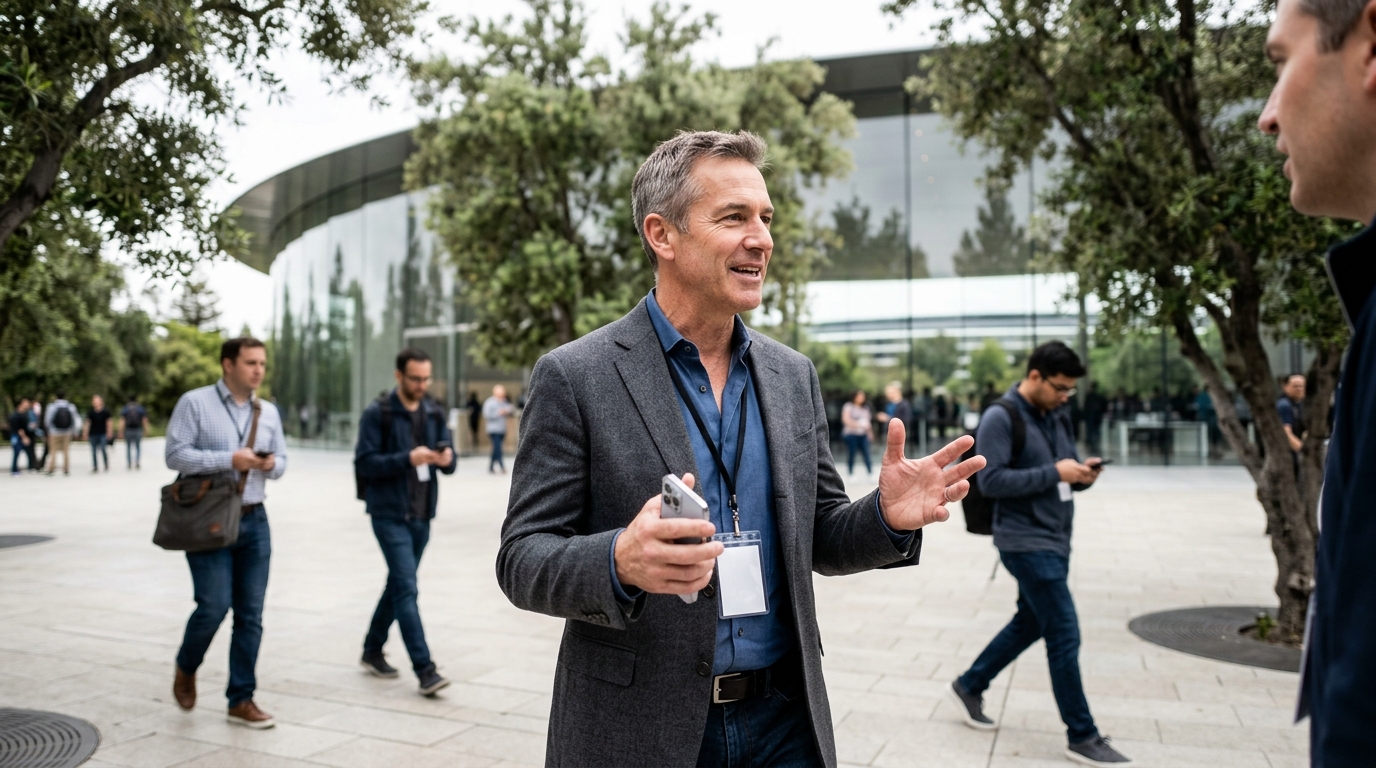
However, this independence is a double-edged sword. While it shields Microsoft from legal scrutiny, it also grants OpenAI the freedom to pursue partnerships with rivals. We are already witnessing OpenAI integrating its models into Apple’s ecosystem, a scenario that would have been unthinkable to Microsoft shareholders just two years ago. Microsoft’s moat, once fortified by exclusive access to GPT models, is beginning to show visible cracks.
Microsoft’s Hedging Strategy: The Rise of Microsoft AI
Microsoft has not been a passive observer of these shifts. Under the leadership of Mustafa Suleyman—the DeepMind co-founder and former Inflection AI CEO—the company has established its own 'Microsoft AI' division. This move represents a clear hedging strategy. Microsoft is now developing its own proprietary models, such as MAI-1, systematically reducing its absolute dependence on OpenAI’s roadmap.
- Model Diversification: Through Azure, Microsoft now offers a 'supermarket' of AI models, including Mistral and Meta’s Llama, moving away from being a mono-brand OpenAI shop.
- Internal Talent Acquisition: The hiring of Inflection AI’s core team demonstrates Microsoft’s desire to own the intellectual property of the future, rather than just leasing it.
- Infrastructure Dominance: Microsoft’s true strength remains Azure. Even as OpenAI diversifies its distribution, it still consumes billions in compute power on Microsoft’s servers.
The Economic Moat: Infrastructure vs. Models
The critical question for investors is whether Microsoft’s value proposition stems from OpenAI’s models or the Azure platform itself. Evidence suggests that the real moat is shifting from software to infrastructure. OpenAI arguably needs Microsoft more than Microsoft needs OpenAI for its survival; the astronomical costs of training next-generation models (GPT-5 and beyond) require the kind of capital and hardware scale that only a cloud titan can provide.
"Their relationship is no longer a honeymoon; it is a marriage of convenience where both parties sleep with one eye open," market analysts suggest.
OpenAI, meanwhile, is pushing to transition into a fully for-profit entity. This structural change would allow it to attract massive private capital, potentially diluting Microsoft’s influence. While this transition is necessary for OpenAI to compete with Google and Anthropic, it strips Microsoft of its 'preferred partner' status and forces it to compete for OpenAI’s attention like everyone else.
Conclusion: A New Strategic Equilibrium
The revamp of the partnership does not signal an end, but rather a maturation. Microsoft remains the dominant player due to the deep integration of Copilot across Office 365 and Windows. However, its moat is no longer impenetrable. Competition is now both internal and external. Microsoft’s future success will depend on whether it can convince the enterprise world that Azure is the indispensable foundation for any AI model—regardless of whether that model originates from Sam Altman’s lab or Microsoft’s own internal developers.