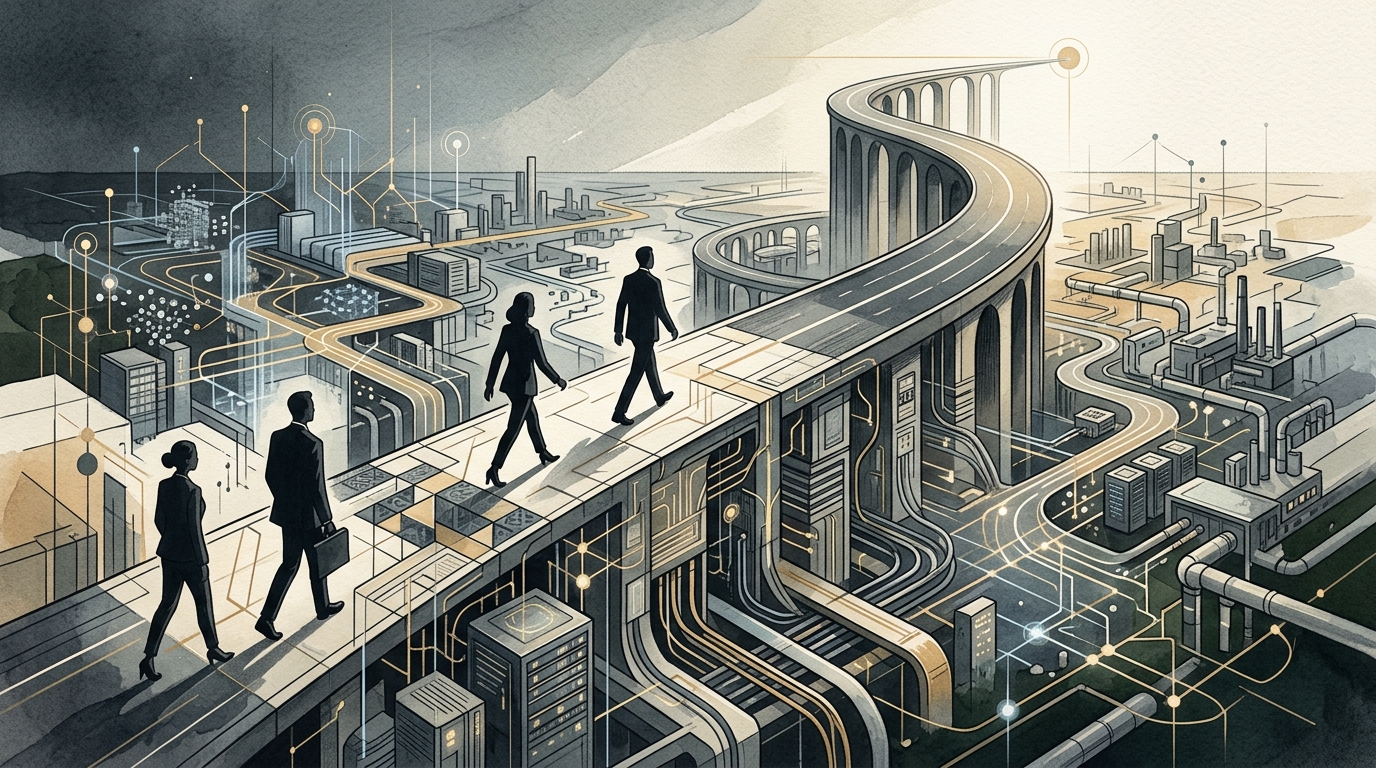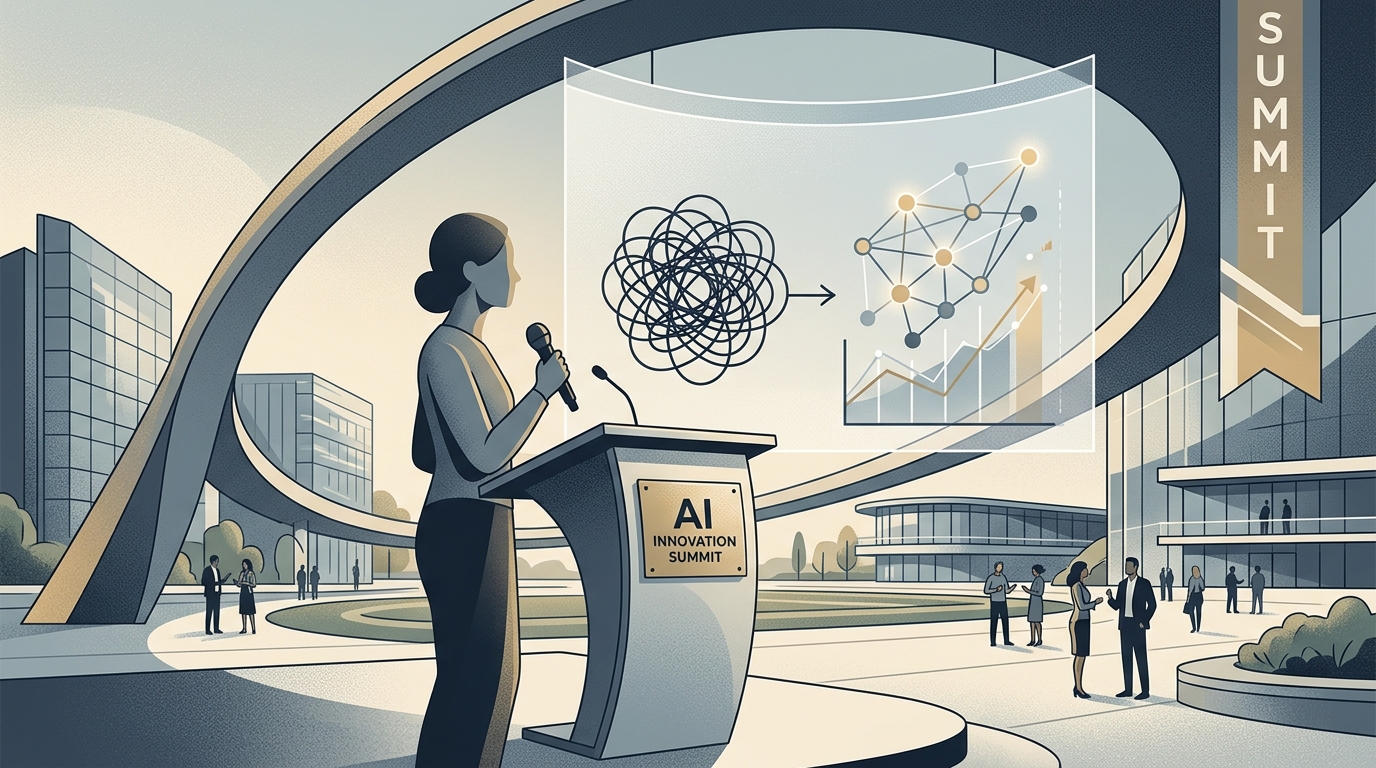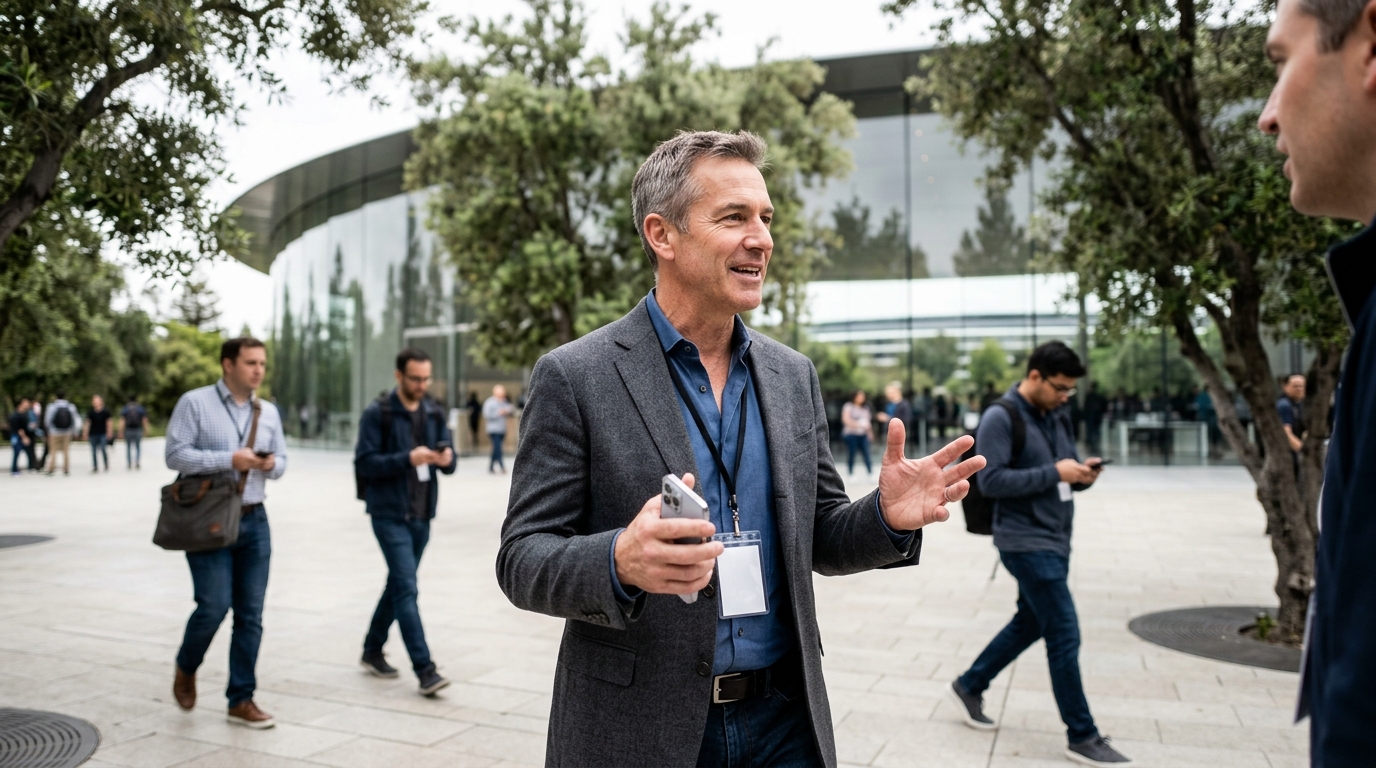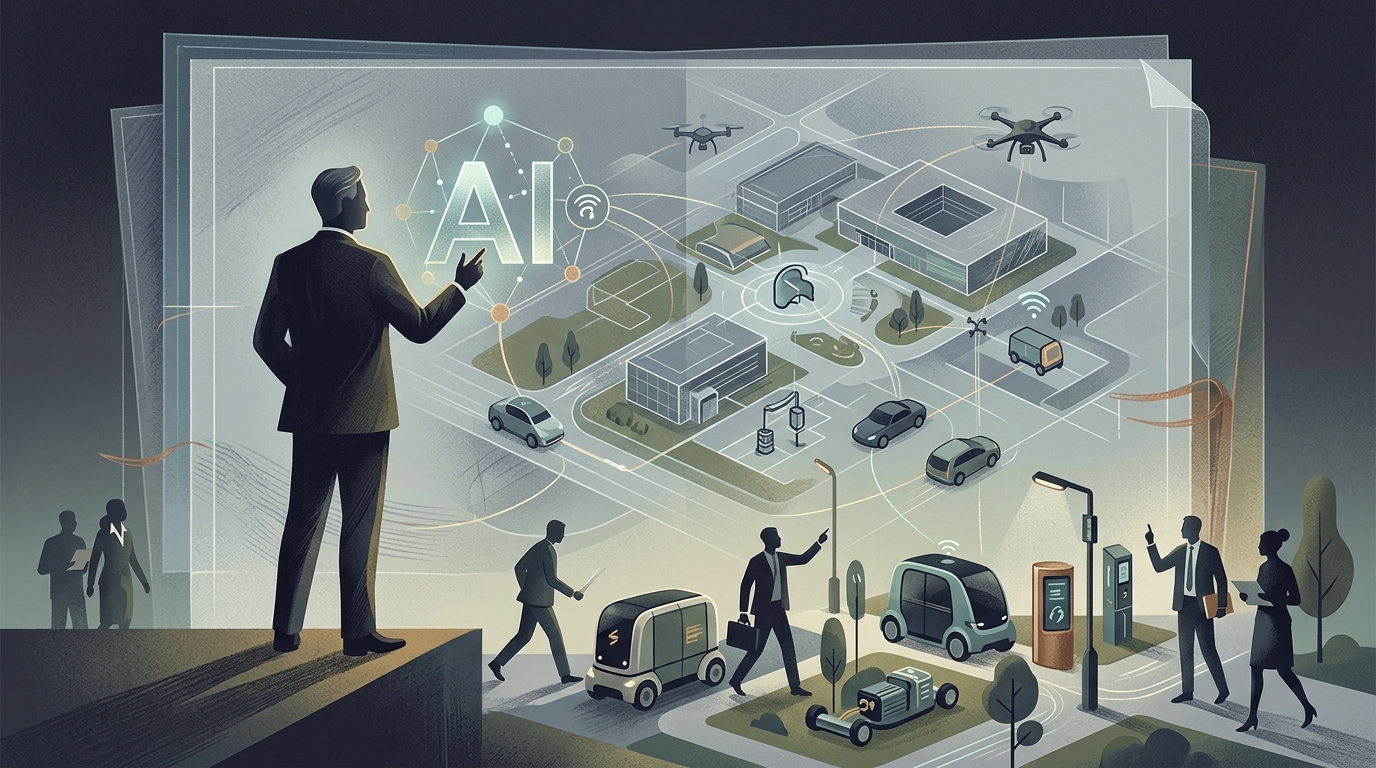
In the rapidly evolving landscape of technology, the concept of Artificial Intelligence is shifting from mere data processing on our screens to active interaction with the physical world. At the heart of this revolution in South Korea stands Kim Jin-kyu, Vice President of Kakao Mobility, who leads the Physical Artificial Intelligence (AI) division. His strategy is not just about refining a ride-hailing app, but about creating a comprehensive ecosystem where intelligence gains a "body" through robotics and autonomous vehicles.
The Transition from Digital to Physical
For years, Kakao Mobility dominated the Korean market through its Kakao T platform, connecting millions of users with drivers. However, Kim Jin-kyu recognized early on that the future of mobility lies not in mediation, but in autonomy. "Physical AI" refers to the integration of advanced algorithms into mechanical systems that can navigate, perceive, and act in unpredictable environments. According to Kim, the challenge is no longer creating a clever chatbot, but a robot or vehicle that can deliver packages or transport passengers safely through the bustling streets of Seoul.
Kakao Mobility's approach is based on leveraging the vast volumes of traffic data the company has collected. This data serves as the "fuel" for training Physical AI models. Rather than relying solely on simulations, the company uses real-world scenarios from the billions of trips taken via its platform, giving its autonomous systems a competitive edge over international rivals.
Robotics and Logistics: The New Frontier
One of the key pillars of Kim's strategy is the automation of "last-mile" logistics. Kakao Mobility is developing indoor and outdoor robots that can move autonomously within office buildings and residential complexes. Kim emphasizes that Physical AI must be "invisible" — operating so smoothly that the end-user does not perceive the complexity of the technology underlying the service.
- Autonomous package delivery in high-density urban centers.
- Integration of robotic systems with existing smart city infrastructure.
- Development of software that allows robots to learn from human behavior in real-time.
This evolution is fundamentally changing the company's business model. From a Software as a Service (SaaS) provider, Kakao Mobility is transforming into a technology infrastructure firm. Kim Jin-kyu argues that collaboration with hardware manufacturers is essential, but the "soul" of the machine will remain the AI software developed by his team.
Challenges and Global Competition
Despite the optimism, the road to full integration of Physical AI is fraught with obstacles. Regulators in South Korea, as in the rest of the world, are struggling to keep pace with the speed of innovation. Issues of safety, liability in the event of an accident, and privacy protection are at the center of discussions. Kim Jin-kyu is actively involved in dialogue with the government, promoting a framework that encourages innovation without sacrificing public safety.
"Physical AI is not just a technological upgrade; it is a social transformation that requires trust and cooperation between humans and machines," Kim often states at international forums.
On the global stage, Kakao Mobility faces giants like Tesla, Waymo, and Chinese firms like Baidu. However, the strategic focus on "local expertise" — understanding the idiosyncrasies of Korean urban planning and culture — is the company's trump card. Kim believes that Physical AI that can survive and thrive in the complex environment of Seoul will be ready to conquer any other market in the world.
Conclusion: Toward a New Era of Mobility
Kim Jin-kyu's leadership marks a new era for Kakao Mobility. The shift to Physical AI is a bold move aimed at solving some of the most pressing problems of modern cities: congestion, labor shortages in logistics, and the need for more sustainable transport. While challenges remain, the company's commitment to research and development suggests that the future of movement will be determined not just by wheels, but by the algorithms that guide them.