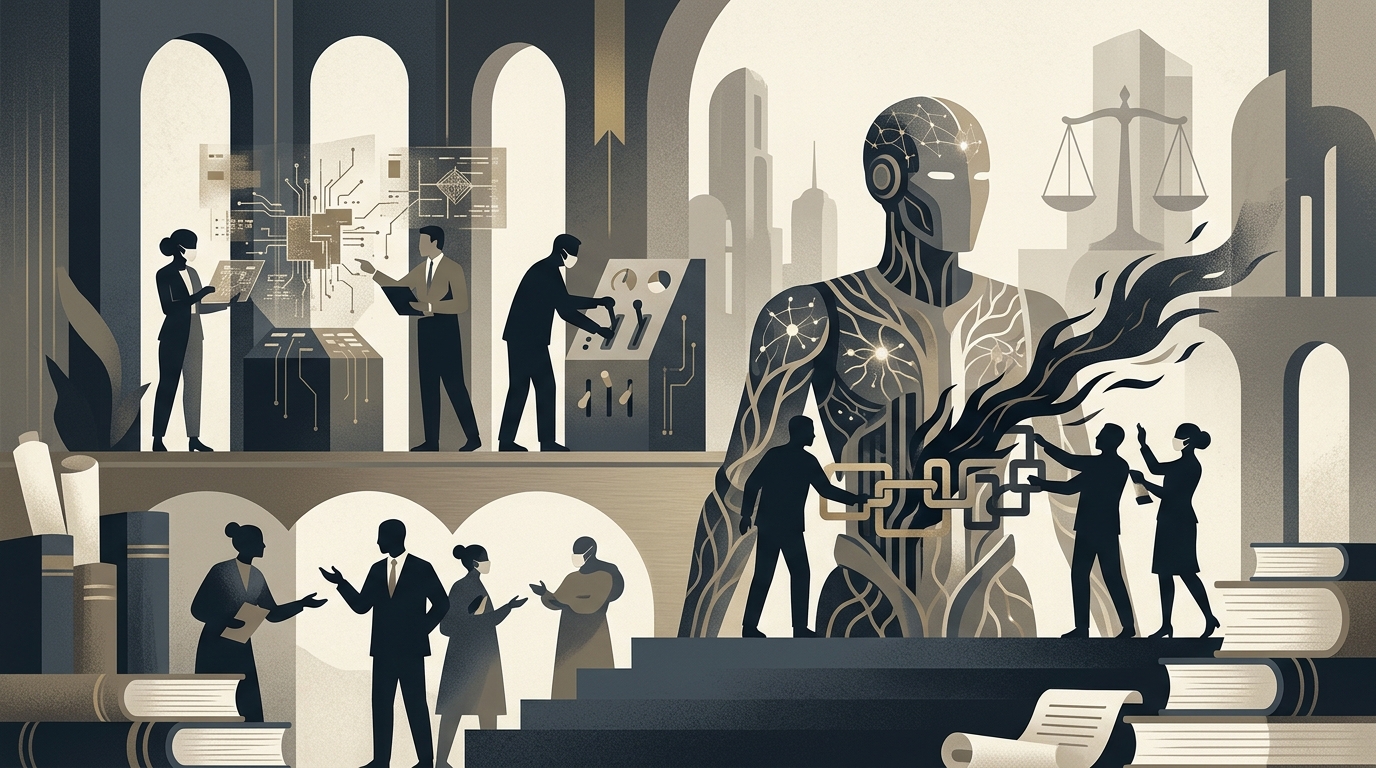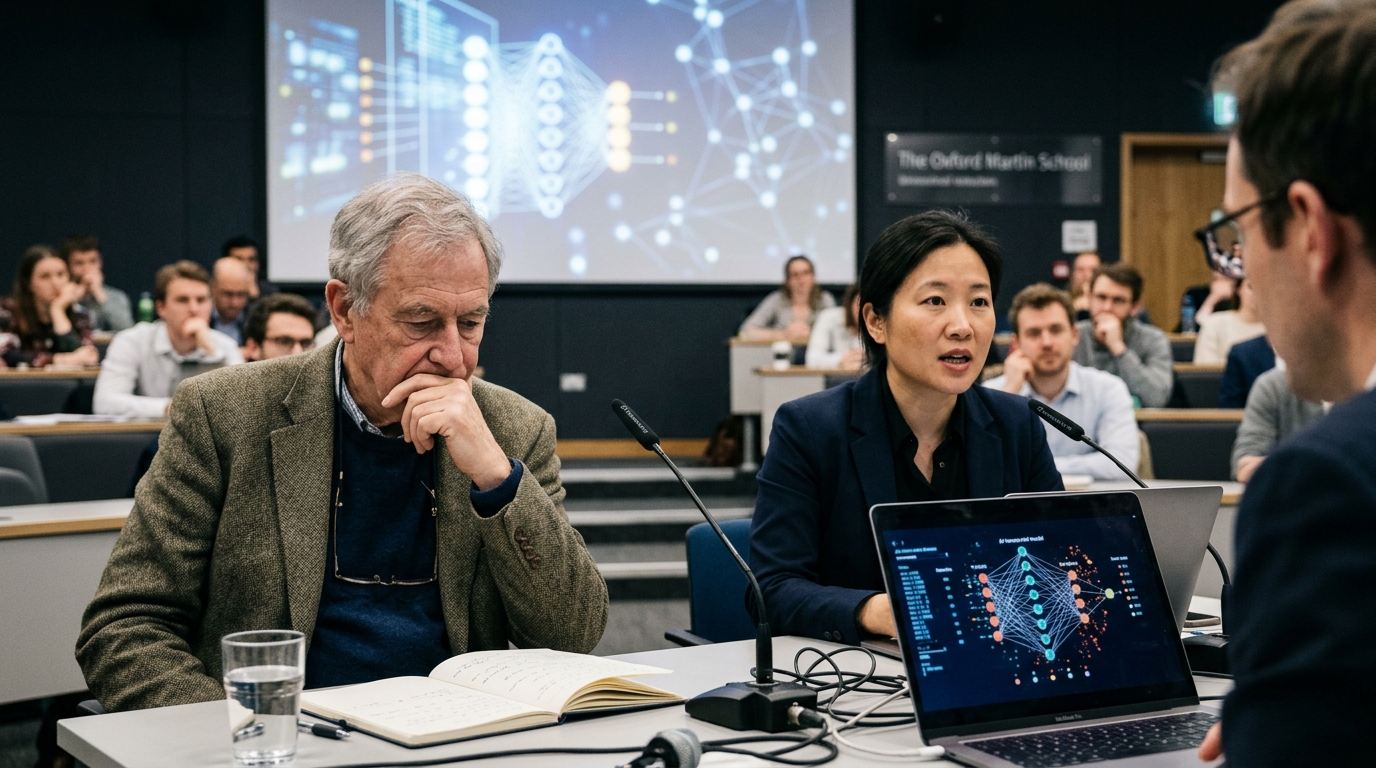
For decades, expertise was considered the ultimate fortress against misinformation. In the worlds of medicine, law, and science, deep knowledge and years of practice were supposed to provide an intellectual shield, allowing professionals to distinguish error from truth. However, as Artificial Intelligence (AI) becomes more deeply embedded in daily workflows, a disturbing reality is emerging: expertise not only fails to protect us from the subtle influences of algorithms but, in some cases, may make us even more vulnerable.
The Illusion of Immunity and Automation Bias
The phenomenon of "automation bias" is not new, but the complexity of today’s Large Language Models (LLMs) makes it more dangerous than ever. Many experts believe they can use AI as a mere tool for "rough drafting" or "data collection," assuming their critical faculties will catch any errors. Yet research shows the opposite. When an algorithm presents information with confidence and structured language, the human brain—even the most highly trained—tends to lower its defenses.
In recent studies involving radiologists and legal professionals, it was observed that the presence of an algorithmic recommendation influences the final decision even when the expert initially disagreed. AI does not just function as a source of information; it acts as an "invisible choice architect." Through subtle nudging, the system shapes the context in which a decision is made, making certain paths of thought easier to follow than others.
The Erosion of Cognitive Grit
One of the most concerning elements is the gradual erosion of "cognitive friction." Learning and sound judgment require effort. When AI offers ready-made solutions that seem "good enough," the expert stops exercising the kind of deep analysis that made them an expert in the first place. This leads to a state of "cognitive atrophy." If a lawyer relies on AI to draft legal arguments, over time, they lose the ability to spot the subtle nuances of legal precedents that the AI may have misinterpreted or even fabricated (hallucinations).
- Over-reliance on AI reduces the time spent verifying sources.
- Experts often succumb to the "social influence" of the algorithm, treating it as a peer colleague.
- The complexity of systems makes it impossible to fully audit their logic, forcing humans into blind acceptance of the output.
The Paradox of Expertise: Why Experts Fail More?
There is a paradox here: less experienced users may sometimes be more cautious because they are aware of their ignorance. In contrast, the expert, feeling confident in their knowledge, may use AI to confirm their existing prejudices (confirmation bias). If the AI agrees with a doctor's initial assessment, they will rarely question whether the AI arrived there through flawed data. This "closed loop" of feedback creates a false sense of certainty that can be fatal in critical fields.
"Artificial intelligence is not replacing the expert; it is transforming them into a passive monitor of a process they no longer fully understand," notes the analysis from The Transmitter.
Redefining Professional Responsibility in 2026
As we move through 2026, the conversation must shift from "AI training" to "AI skepticism training." Professional associations and universities must develop new protocols for "human oversight" that are not merely procedural. Expertise in the 21st century will not be defined by how much one knows, but by their ability to remain intellectually autonomous in the face of systems designed to be persuasive, not necessarily truthful. Our protection from AI influence lies not in the knowledge of our subject, but in understanding the limits of human psychology itself.