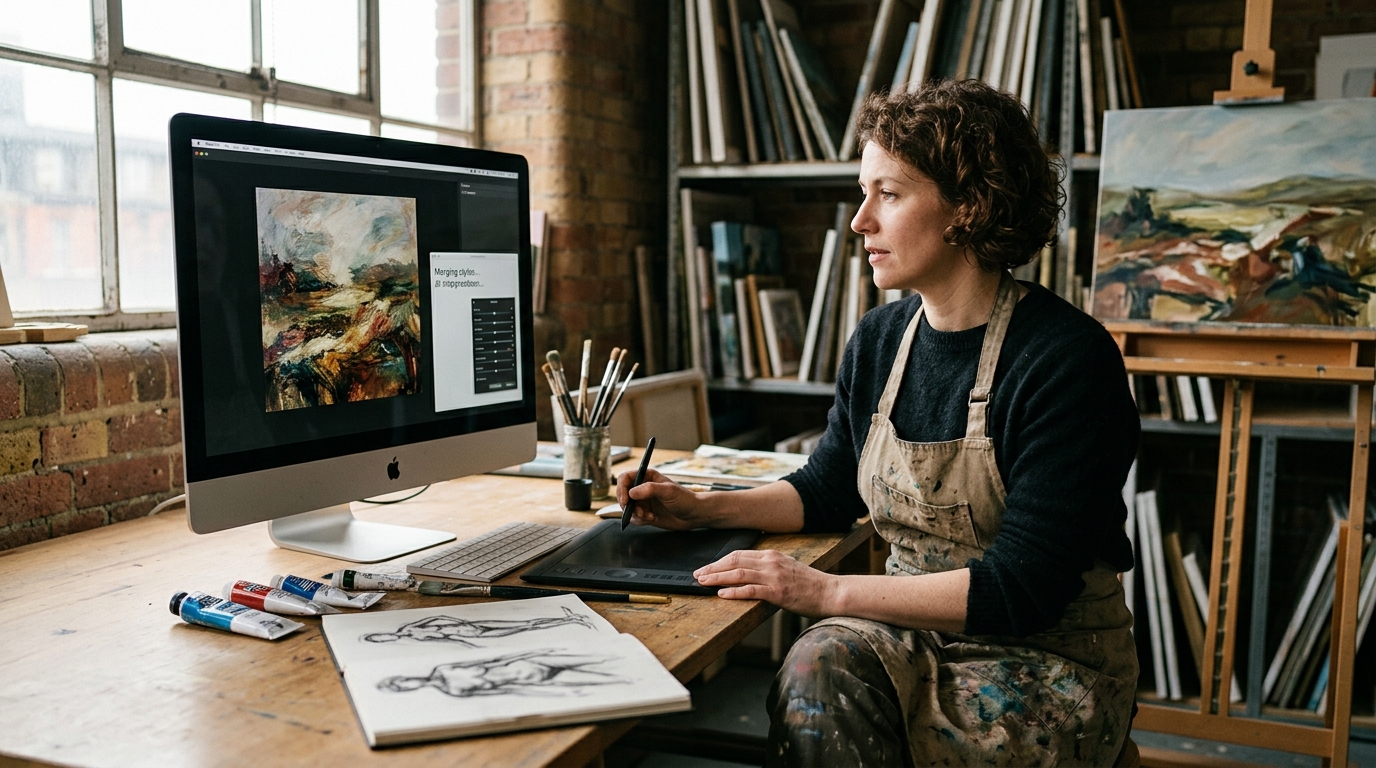
The history of art is a chronicle of technological disruptions. From the invention of photography, which threatened 19th-century portraitists, to the digital tools that transformed graphic design, every innovation initially sparked fear followed by assimilation. Today, Artificial Intelligence (AI) represents the new frontier. A recent, extensive analysis by Gallup brings to light a reassuring, albeit complex reality: the arts are not disappearing, but are undergoing a radical metamorphosis. The study demonstrates that while generative AI can mimic styles and produce content in seconds, human intent and lived experience remain the non-negotiable capital of the creative process.
The Illusion of Replacement and the Reality of Collaboration
According to Gallup's findings, 2026 sees the creative industries in a phase of "creative adaptation." Despite dire predictions that algorithms would render painters, writers, and musicians obsolete, we are observing the opposite: a surge in the search for "handmade" creation. AI now functions as a sophisticated assistant, a "super-tool" that handles repetitive and time-consuming processes, allowing the artist to focus on the core concept and emotion. For instance, in the film industry, AI is used for pre-visualization and color grading, but the directorial vision remains a strictly human affair.
The key lies in the concept of "creative friction." Art often emerges from the creator's limitations and mistakes. AI, in its quest for perfection and statistical correctness, often produces results that lack this "soul." Gallup points out that audiences are beginning to develop a sixth sense for content produced exclusively by machines, placing a higher value on works that bear the imprint of human labor. This is leading to a new market for "certified human creation," similar to the organic food market.
Ethical Dilemmas and the Copyright Crisis
However, the transition is not without its victims. The ethical dimension of AI use in art remains the most thorny issue. Gallup reports that the majority of professional creators express deep concerns about AI models being trained on their work without consent or compensation. This is not merely a legal issue but an existential threat to the art ecosystem. If a machine can produce a work "in the style of so-and-so" for free, how will the artist survive to create their next original work?
- The need for new legislative frameworks to protect "style" as intellectual property.
- The difficulty of distinguishing between inspiration and algorithmic plagiarism.
- The devaluation of creative labor on content platforms.
Gallup emphasizes that the ethical use of AI requires transparency. Consumers have the right to know if a text, image, or song has been produced by a human or a machine. This transparency is what will allow the arts to survive as a medium of human communication rather than just consumer goods.
The Democratization of Creation and the Risk of Saturation
A positive aspect highlighted is democratization. People who never had the technical training to paint or compose can now express their ideas through AI. This opens the door to a new generation of creators. However, this ease carries the risk of an "ocean of mediocrity." When anyone can produce "art" with a click, audience attention is fragmented, and true quality becomes harder to identify.
"Technology isn't killing art, but it is killing the old notion of what it means to be an artist. The artist of the future will be more of a curator of dreams and less a craftsman of tools," the report states.
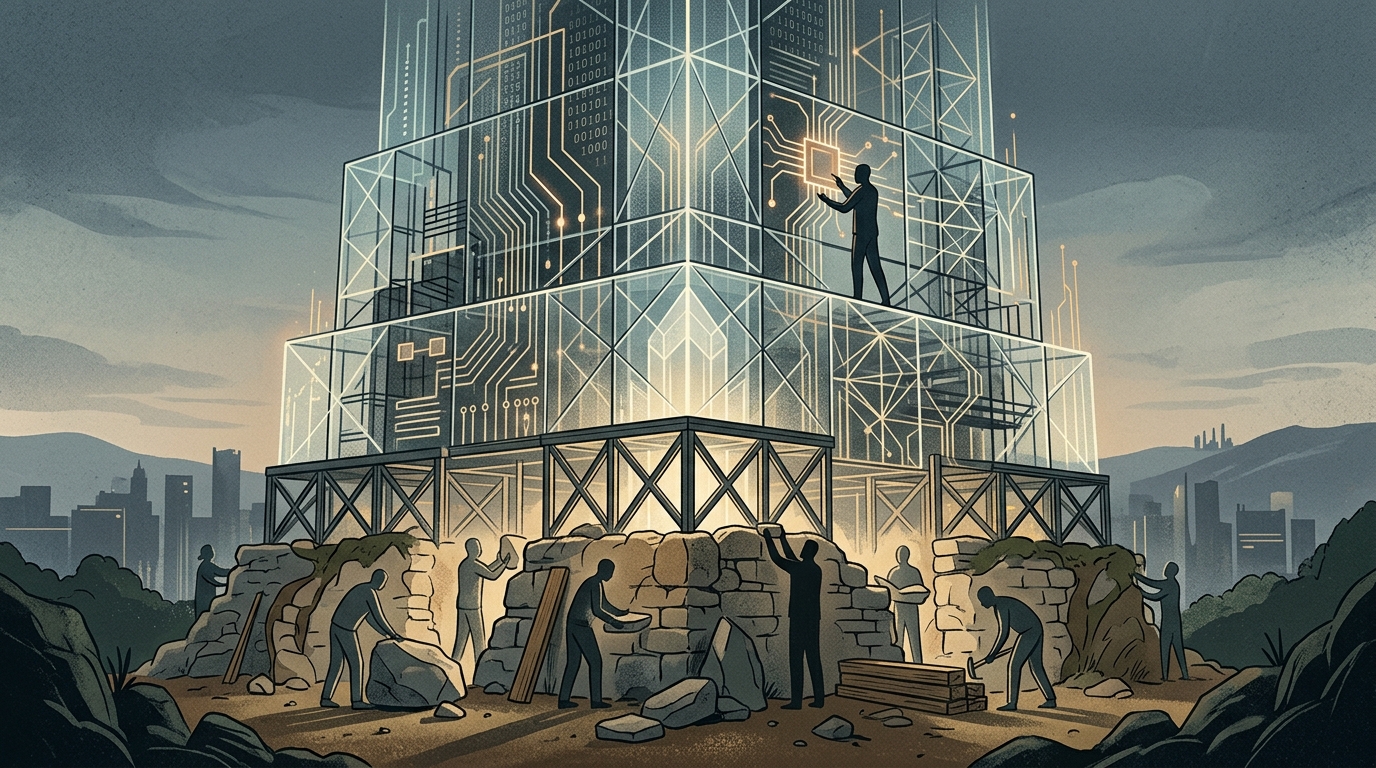
In conclusion, Gallup's research reminds us that art is a deeply social and human need. Artificial Intelligence may change how we make things, but it cannot change why we make them. Our desire to share the human experience—the pain, the joy, and the existential angst—remains something that no code, however sophisticated, can fully replace. The future of the arts is not replacement but symbiosis, where the machine provides the power and the human provides the meaning.