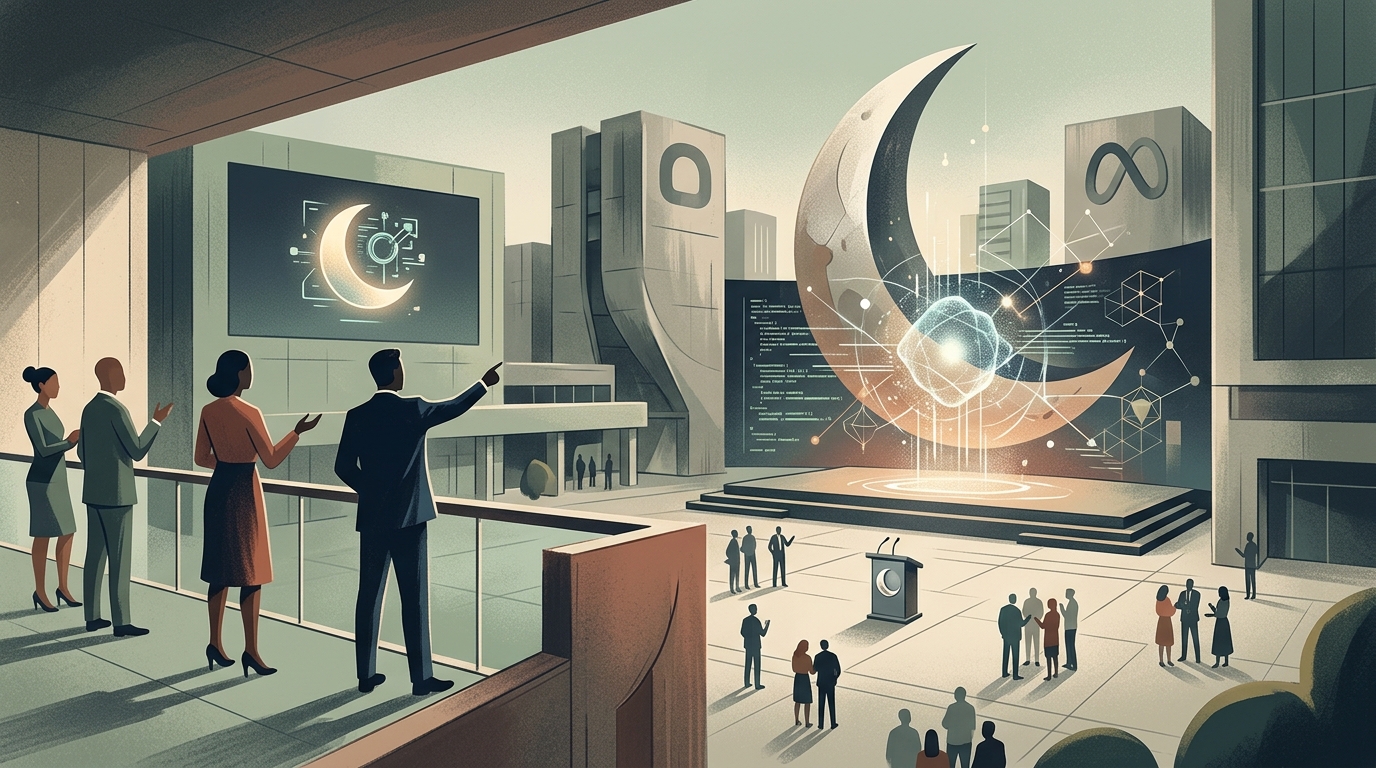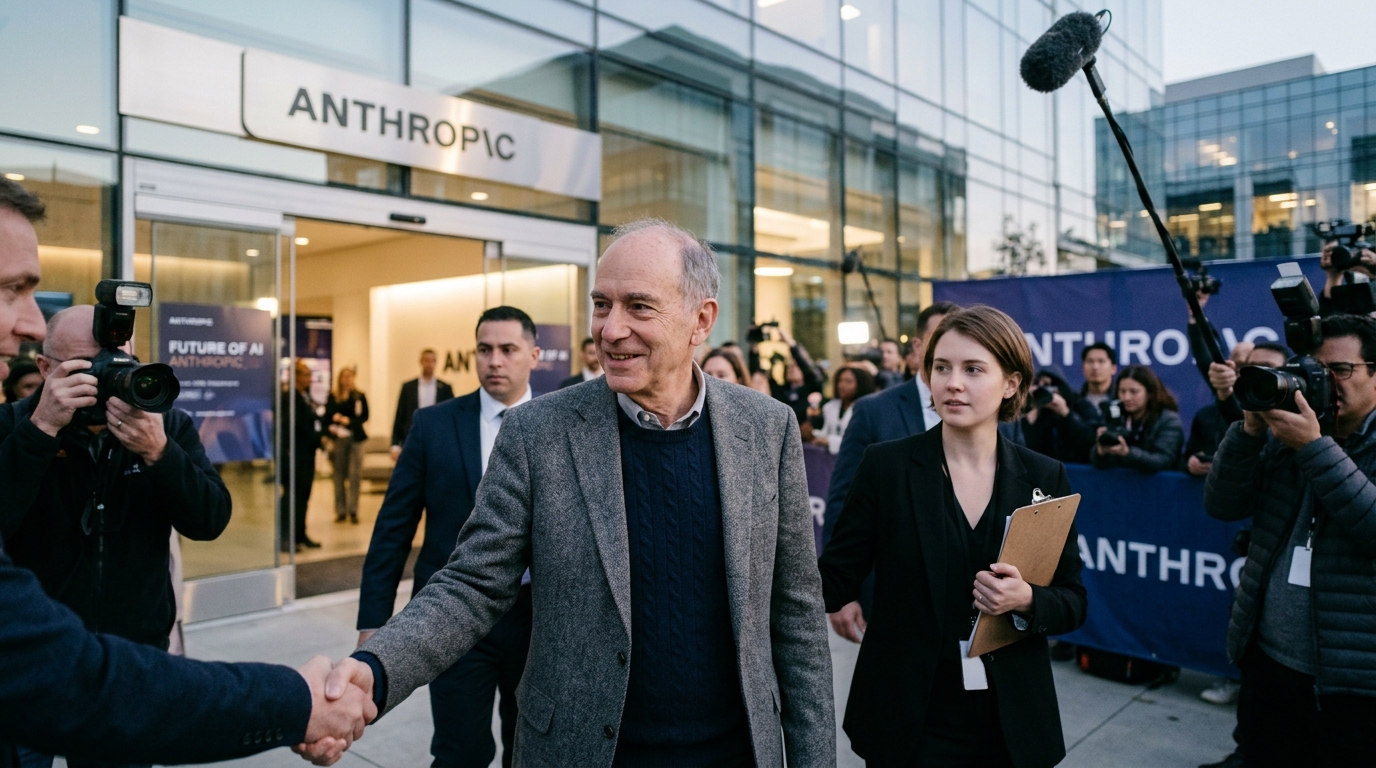
In a move that has sent shockwaves through the global scientific and technological community, John Jumper, the man who spearheaded the development of AlphaFold and was recently honored with the Nobel Prize in Chemistry, has announced his departure from Google DeepMind. His destination: Anthropic, the rapidly growing rival founded by former OpenAI executives and backed by giants such as Amazon and Google.
This news is not merely an internal executive shuffle. It is a statement of intent regarding where the center of gravity for AI innovation is shifting. Jumper, whose work on AlphaFold solved the protein folding problem—a 50-year-old mystery in biology—is considered one of the most influential scientists of the 21st century. His decision to leave the 'safe' environment of DeepMind for Anthropic underscores the intensity of the competition for the industry's top minds.
The Legacy of AlphaFold and Google DeepMind
During his tenure at Google DeepMind, Jumper was not just a researcher; he was the architect of a revolution. AlphaFold managed to predict the structure of nearly all known proteins, paving the way for faster drug development and a deeper understanding of diseases. For Google, losing Jumper is a significant blow, not only in terms of prestige but also strategy. Despite Google's vast resources, the exodus of top talent to smaller, more agile firms like Anthropic is beginning to raise questions about its corporate culture and its ability to retain its 'stars.'
Why Anthropic?
Anthropic has positioned itself in the market as the company that prioritizes AI safety and ethics. However, the addition of Jumper suggests a pivot toward the life sciences. Anthropic appears to be seeking to integrate the understanding of biological complexity into its large language models (LLMs). Jumper's presence there could mean the creation of models that do not just 'speak' human languages, but the 'language of life'—genetic codes and protein interactions.
- Strengthening research in computational biology.
- Attracting further investment from the biotechnology sector.
- Competitive advantage over OpenAI and Google in scientific AI.
The Talent War and the Geopolitics of Knowledge
This move highlights a broader trend: scientists are no longer just looking for high salaries, but for environments where their research can have a direct impact without the bureaucratic constraints of large multinationals. Anthropic, with a more focused structure, offers Jumper the opportunity to redefine the role of AI in science. At the same time, this move intensifies the 'talent war' between Silicon Valley and London (where DeepMind is based), forcing companies to offer astronomical compensation packages and greater research freedom.
"John Jumper's move is the most significant transfer in the history of AI, as it combines the academic excellence of a Nobel Prize with the commercial momentum of the next generation of AI labs."
In conclusion, Jumper's departure from Google is a reminder that in the age of AI, the most important capital is not GPU processors or data, but the people who know how to use them to unlock the secrets of nature. Anthropic has won a battle, but the war for the future of scientific AI is only just beginning.