The geopolitical chessboard of artificial intelligence experienced a significant shift this week as Donald Trump, in an exclusive interview with Axios, formally retracted his previous labeling of Anthropic as a national security threat. The company, once a primary target of his rhetoric regarding "left-wing bias" and "regulatory capture," is now being integrated into a broader Washington vision for total AI dominance over Beijing. This reversal is far more than a change of heart; it is a calculated strategic alignment reflecting the high-stakes environment of mid-2026.
From Ideological Foe to Strategic Asset
For months, Anthropic—the creator of the Claude series—had been under intense scrutiny from conservative policymakers. Critics argued that the company’s "Constitutional AI" framework was a veiled attempt to bake progressive ideologies into the foundation of machine intelligence, potentially hampering American innovation. However, Trump appears to have been swayed by a more pressing argument: that crippling domestic AI champions is the ultimate strategic gift to the Chinese Communist Party (CCP).
Sources close to the former president suggest that a series of high-level meetings with Silicon Valley venture capitalists and "e/acc" (effective accelerationism) proponents turned the tide. The core message delivered to Trump was simple: Anthropic possesses world-leading capabilities in reasoning and reliability. To treat them as an adversary is to forfeit the lead in the global AI race. "We have to win the race," Trump reportedly noted, "and you don't win by benching your best players over minor disagreements."
The Security Paradox: Safety as a Weapon
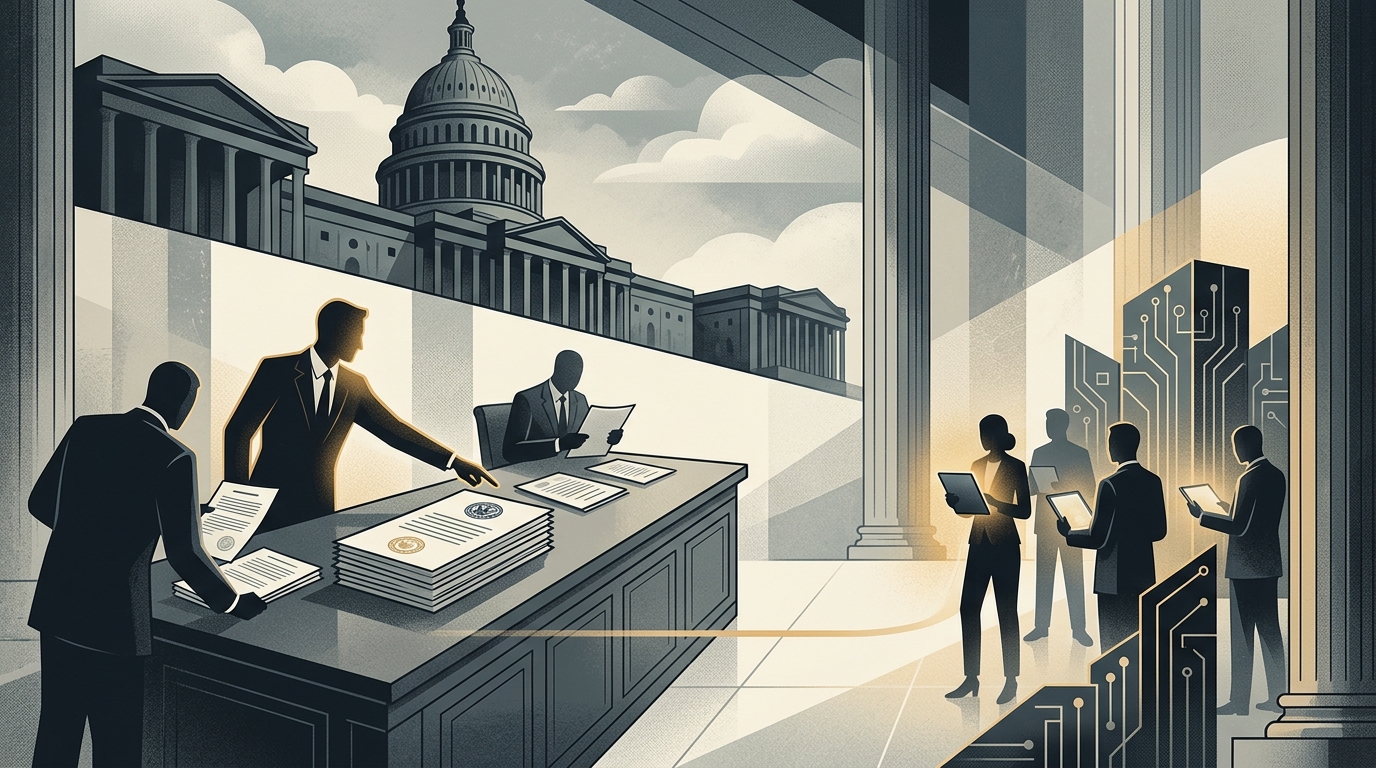
Anthropic has long positioned itself as the "safety-first" AI company. While this was initially viewed by some in the GOP as a hindrance to raw speed, it is now being reframed as a national security asset. The ability to deploy AI systems that are robust against jailbreaking and adversarial attacks is critical for military and intelligence applications. By removing the "threat" label, Trump is effectively signaling that the U.S. government values a secure, controlled AI ecosystem—provided it remains firmly under American jurisdiction.
- Anthropic is now viewed as a bulwark against Chinese LLM proliferation.
- The narrative of "woke AI" is being superseded by the necessity of "American AI."
- Expect a wave of deregulation aimed at empowering domestic AI labs to scale faster.
This policy shift also brings immense relief to the financial markets. Anthropic, which has secured massive investments from Amazon and Google, required political legitimacy to deepen its ties with federal agencies. With the "security threat" cloud lifted, the path to multi-billion dollar government contracts in defense and cybersecurity is now clear, further solidifying the company’s valuation and market position.
The Death of the Precautionary Principle?
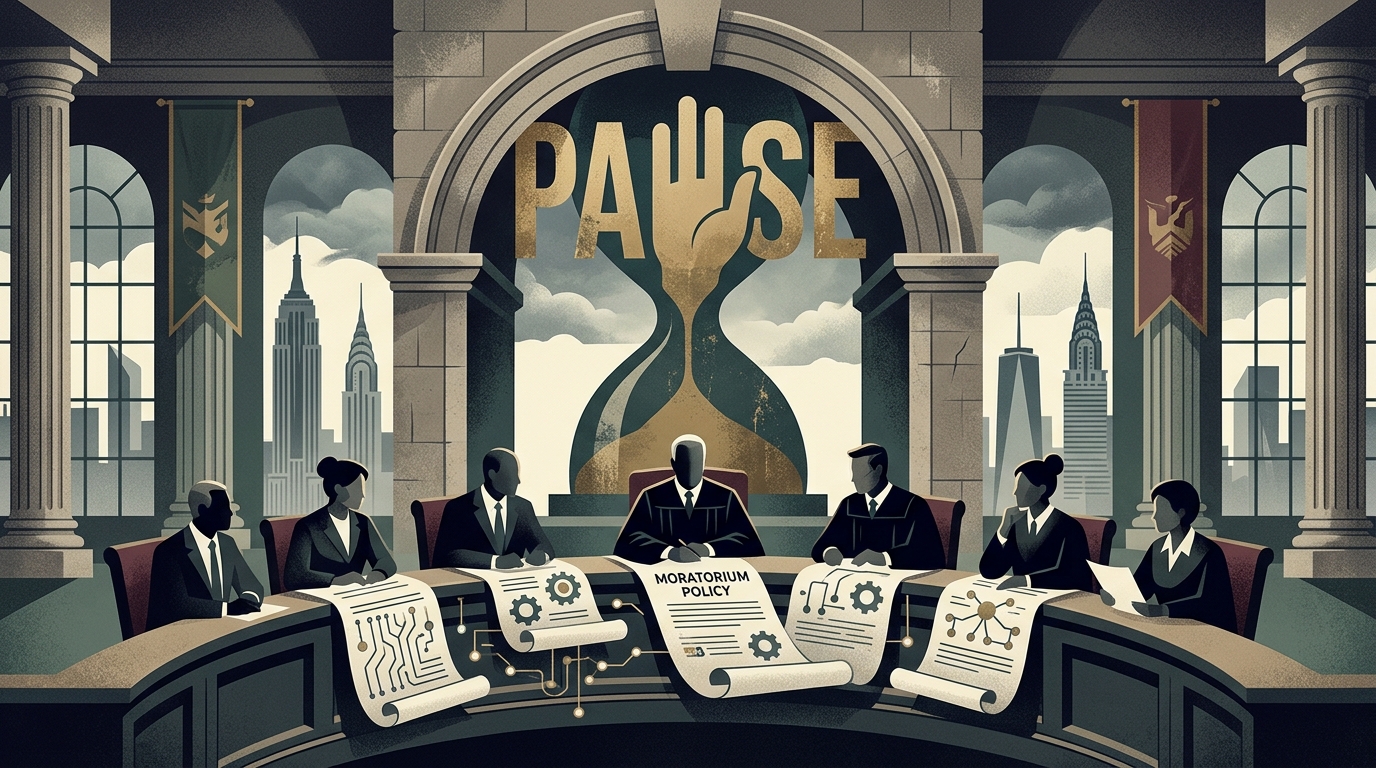
Trump’s pivot reflects a broader consensus emerging in 2026: the Precautionary Principle is being replaced by the Dominance Doctrine. The notion that AI development should be slowed for the sake of public safety is losing ground to the idea that AI must be accelerated for the sake of national survival. By embracing Anthropic, Trump is forcing a recalibration across the political spectrum, challenging his opponents to choose between stringent regulation and geopolitical relevance.
"The conversation has moved beyond whether AI is dangerous. It’s now about sovereignty. If the U.S. doesn't lead, our adversaries will define the rules of the future," said a senior policy analyst in Washington.
In conclusion, Trump’s decision to stop viewing Anthropic as a threat marks a definitive moment in the commercialization of AI. It signals the end of the "safety vs. speed" debate at the executive level, replacing it with a unified front for technological nationalism. Anthropic is no longer the outsider; it is now a cornerstone of the American technological fortress.