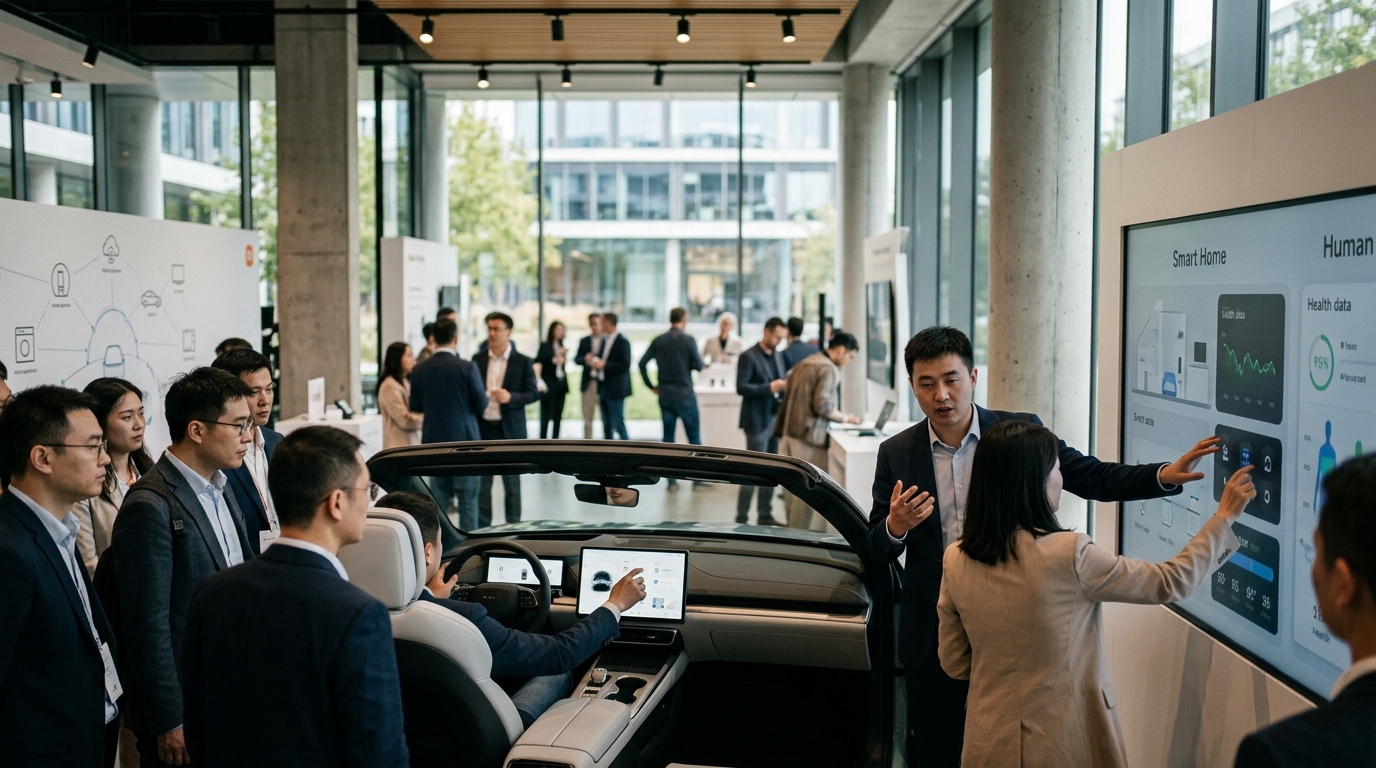
In the ever-accelerating world of technology, Xiaomi is no longer a mere smartphone manufacturer but an architect of a holistic digital environment. With the official unveiling of HyperOS 4, the Chinese tech giant takes a bold leap forward, positioning Artificial Intelligence (AI) not as a supplementary feature, but as the central nervous system connecting the phone, the car, and the home. This new version of the operating system promises to transform our devices from passive tools into active companions that anticipate our needs.
The Philosophy of 'Proactive Intelligence'
HyperOS 4 is built upon the sophisticated Xiaomi HyperMind 2.0 platform. Unlike previous iterations, where AI was limited to voice commands or basic photo editing, the new technology focuses on "proactive cognition." This means the system learns user habits through daily interaction and automatically adjusts the interface. For instance, if the system senses a user starting a video call in a noisy environment, it automatically triggers advanced noise cancellation and adjusts room lighting via connected IoT devices.
Xiaomi has invested billions in developing proprietary Large Language Models (LLMs) that run locally on-device. This approach ensures speed and, crucially, privacy protection, as data does not need to travel to the cloud for processing. HyperOS 4 leverages the NPU units of the latest processors to offer real-time simultaneous translation, document summarization, and content creation in a manner that mimics human thought processes.
Convergence with the Electric Vehicle
Perhaps the most striking element of HyperOS 4 is its deep integration with Xiaomi's electric vehicle division. Following the success of the SU7, the company aims to make the car a "smart extension of the living room." With the new OS, the transition from smartphone to car dashboard is seamless. The AI recognizes when the user approaches the vehicle, prepares the route based on their calendar, sets the climate control, and transfers open applications from the mobile screen to the car's central console.
- Dynamic Energy Management: AI optimizes battery consumption in both the phone and the car by predicting charging needs.
- Visual Perception: Device cameras use AI to recognize gestures and eye movements, allowing for touch-free control.
- HyperConnect: A new protocol that allows thousands of third-party devices to communicate as easily as Xiaomi-native products.
Challenges and Global Competition
Despite its technological prowess, Xiaomi faces significant hurdles. Competition from Apple Intelligence and Samsung's Galaxy AI is fierce, especially in Western markets. Furthermore, the geopolitical landscape remains complex. Xiaomi must convince European consumers that its AI is secure and transparent, adhering to the strict regulations of the European Union's AI Act. While the company's strategy of offering premium features at more accessible prices remains its strongest weapon, in the realm of software, trust is harder to earn than hardware loyalty.
"Artificial intelligence should not be a tool that humans must learn to operate, but an invisible assistant that learns from humans," a Xiaomi executive recently stated during the Beijing launch event.
In conclusion, HyperOS 4 is not just a software update; it is Xiaomi's declaration that it is ready to lead the next revolution in computing. The success of this venture will be judged by how natural and useful this "ambitious intelligence" feels in the user's daily friction with machines.