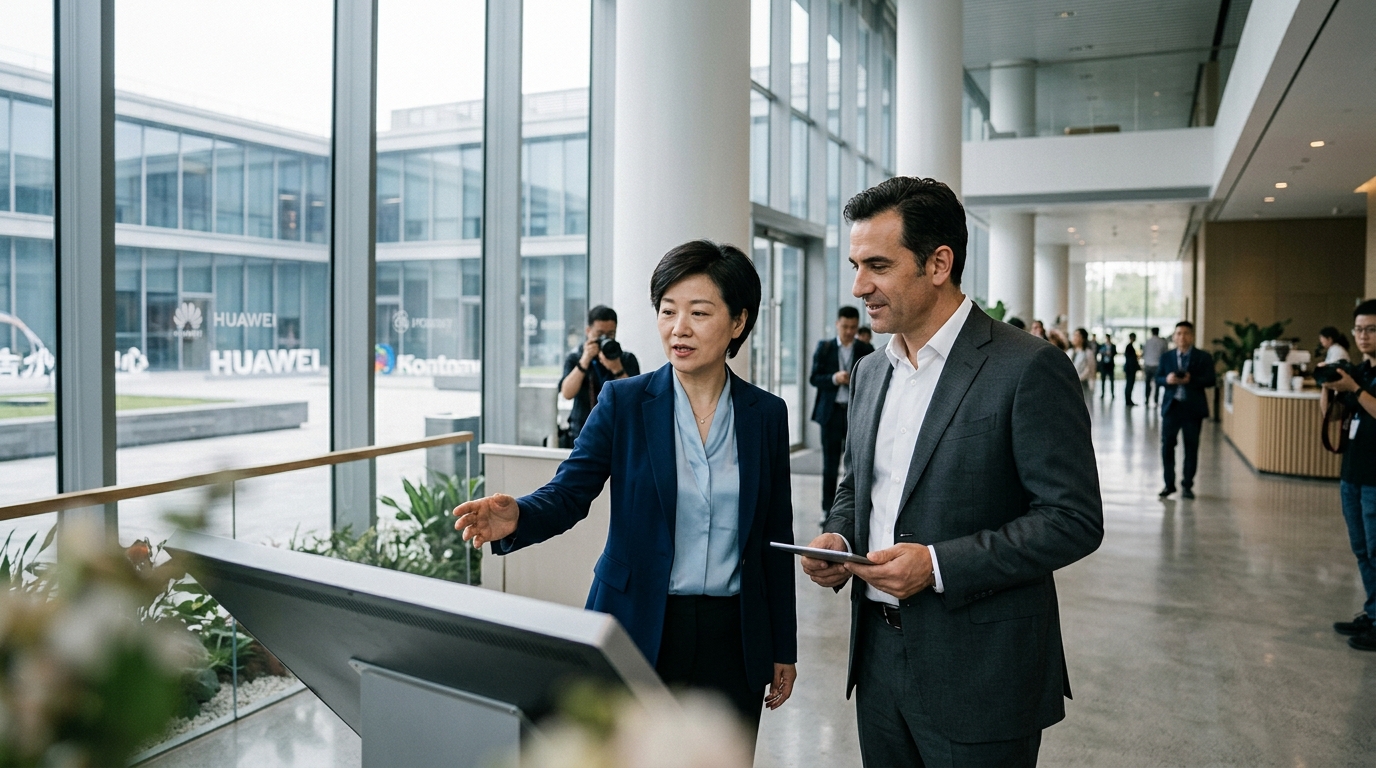
In the ever-shifting landscape of global technology, the announcement that Huawei is integrating DeepSeek V4 services into its digital assistant, Celia, is far more than a mere technical upgrade. It is a strategic maneuver with profound geopolitical and economic implications. As US restrictions on high-end semiconductor exports continue to squeeze Beijing, the convergence of China’s leading hardware and software powerhouses is creating an alternative ecosystem that aims to challenge Silicon Valley's supremacy.
The Architecture of Efficiency: Understanding DeepSeek V4
DeepSeek, an AI lab born from High-Flyer Quant, has stunned the global community with its ability to produce models that rival OpenAI’s GPT-4 at a fraction of the training cost. Version V4, which now powers Huawei’s Celia, is built on a sophisticated Mixture of Experts (MoE) architecture. This approach allows the model to activate only a subset of its parameters for any given task, making it exceptionally efficient in environments where computational power is at a premium.
For Huawei, choosing DeepSeek is a logical necessity. With access to NVIDIA’s H100 processors virtually impossible, the company must rely on its proprietary Ascend AI chips. The optimization of DeepSeek V4 for Huawei’s domestic silicon proves that the Chinese industry can overcome hardware bottlenecks through software innovation. Celia is evolving from a simple voice assistant into a true AI Agent, capable of complex reasoning and multimodal interaction.
HarmonyOS Next and the Break from Android
The integration of DeepSeek V4 coincides with Huawei’s broader strategy for HarmonyOS Next. The new operating system, which definitively severs ties with the Android ecosystem, has been designed from the ground up with AI at its core. Celia, bolstered by DeepSeek, serves as the central user interface hub. Users will no longer just ask for the weather; they will be able to delegate the drafting of complex documents, real-time data analysis, and IoT device management through natural language.
- Deep system-level integration for lower latency and smoother performance.
- Enhanced privacy through a hybrid model of on-device AI and secure cloud processing.
- Superior understanding of local idioms and the cultural context of the Chinese market.
Geopolitical Implications and Global Competition
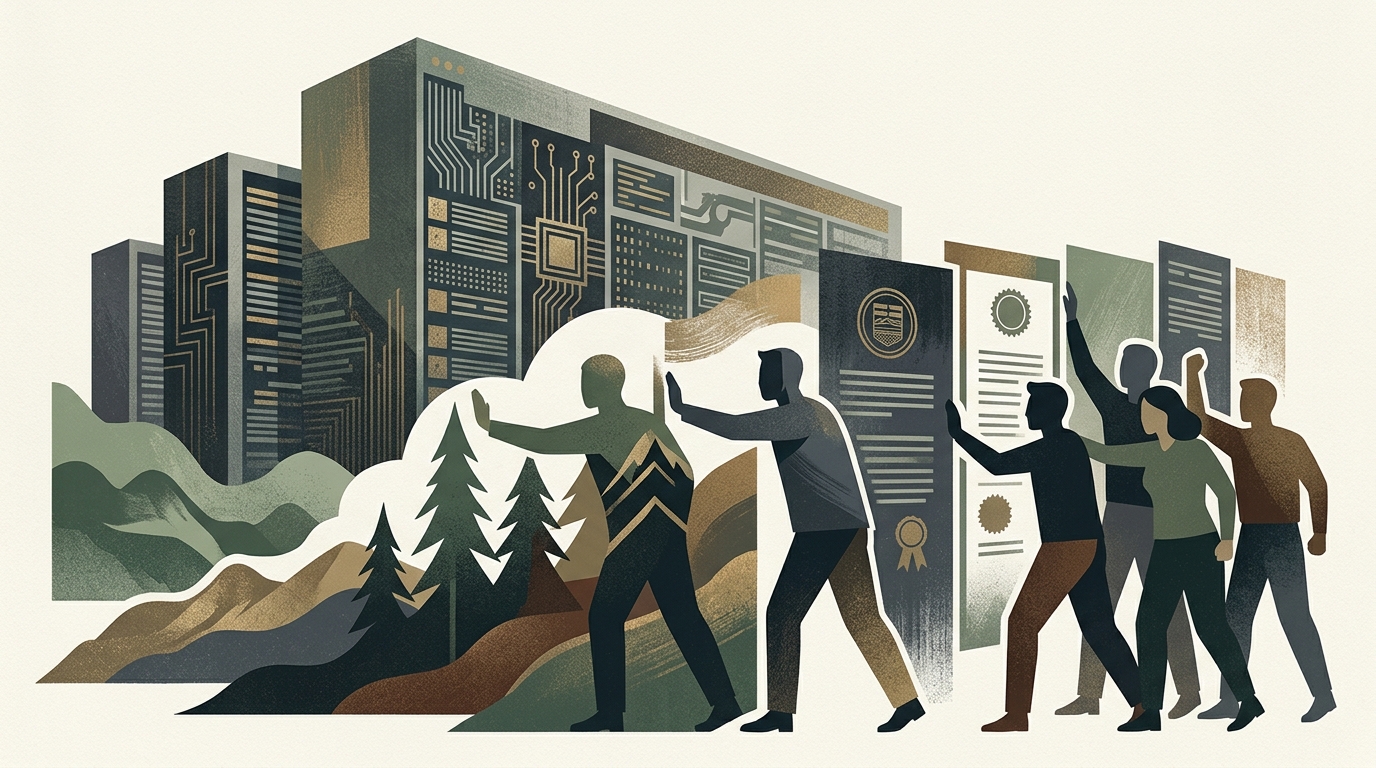
This move sends a clear message to Washington: sanctions have not halted progress; they have accelerated domestic collaboration. The Huawei-DeepSeek alliance serves as a blueprint for how China intends to dominate the AI era. While Google and Apple strive to balance global standards, Huawei is building a 'fortress' within the Chinese market, which counts hundreds of millions of users.
"Artificial Intelligence is no longer just a tool; it is the new infrastructure of national sovereignty," analysts in Beijing suggest.
In conclusion, empowering Celia with DeepSeek V4 is the first step toward a new generation of smart devices that will not depend on Western technologies. The success of this venture will be judged by Huawei's ability to convince developers to adopt its ecosystem, creating a genuine alternative on the global technology map.