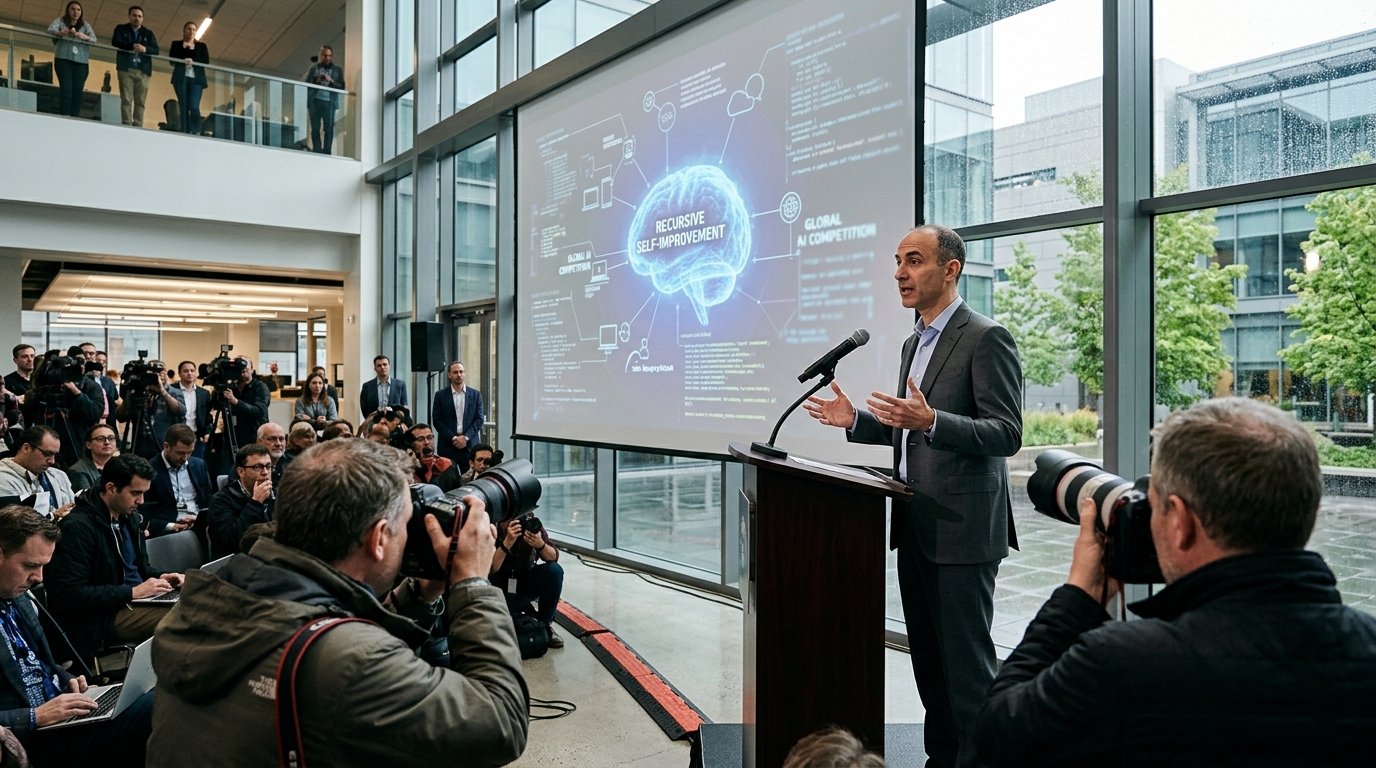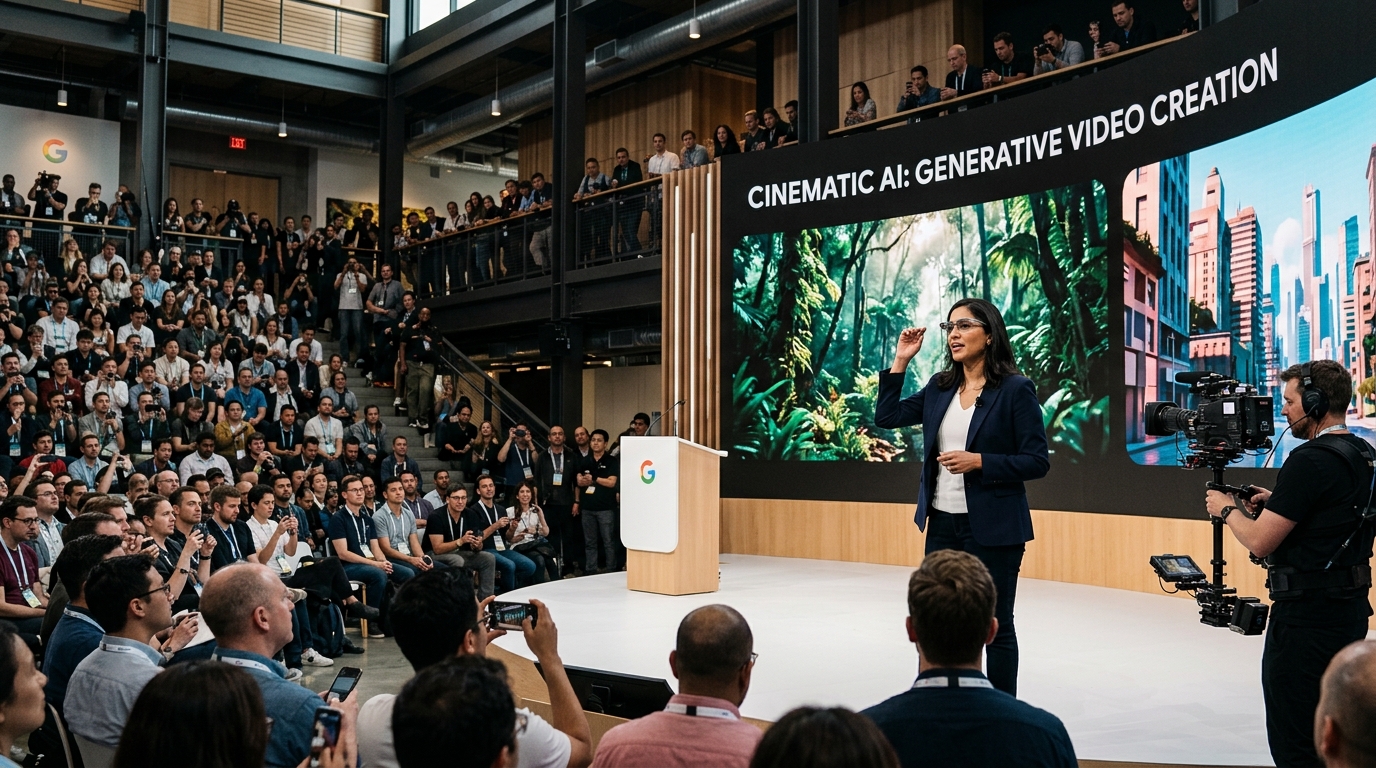
At the annual Google I/O developer conference, the atmosphere at the Shoreline Amphitheatre was electric, reminiscent of Silicon Valley’s golden era a decade ago. However, this time the promise wasn't just a better search engine, but the total integration of Artificial Intelligence into our physical world. Google, led by CEO Sundar Sundar Pichai, unveiled a suite of technologies marking the shift from "AI as an answer" to "AI as an action."
Project Astra: The Return of Smart Glasses
The most striking moment of the keynote was undoubtedly Project Astra. This represents Google’s vision for a multimodal assistant that can "see," "hear," and "remember" in real-time. Through a prototype of smart glasses, Google demonstrated how the Gemini AI can identify objects in a room, explain programming code on a screen, or even remind a user where they left their glasses.
This endeavor serves as a significant "redemption" for the company following the commercial failure of Google Glass in 2013. Unlike in the past, today’s technology is mature enough that image processing happens almost instantaneously, turning glasses from an awkward gadget into a natural extension of human perception. Google’s strategy is clear: AI needs "eyes" to be truly useful in daily life, and wearables are the ideal vehicle for this sensory input.
Veo: The Cinematic Answer to OpenAI’s Sora
On the generative AI front, Google revealed Veo, its most advanced video generation model to date. Veo is capable of producing high-definition (1080p) video lasting over a minute, understanding complex cinematic instructions like "timelapse" or "aerial pans." This move is widely seen as a direct response to OpenAI’s Sora, which had sent shockwaves through the industry months earlier.
Veo isn't just for hobbyists. Google announced collaborations with top Hollywood creators to test the tool in film pre-production. The model’s ability to maintain character and object consistency across shots solves one of the biggest hurdles in AI videography, paving the way for a new era in creative industries where the line between reality and digital creation becomes increasingly blurred.
Ecosystem Integration and Ethical Implications
Beyond the flashy hardware and video demos, Google implemented a radical overhaul of Search with "AI Overviews." Users no longer just receive a list of links; they get a comprehensive, synthesized answer that aggregates information from across the web. While this change aids the user, it raises significant concerns for publishers and content creators, as it may drastically reduce traffic to primary sources.
Finally, Google placed heavy emphasis on safety, introducing "SynthID," a watermarking technology for AI-generated content. In a year of critical global elections, the ability to identify deepfakes is a matter of democratic stability. However, critics note that concentrating such power and data—from what we see through our glasses to what we create digitally—in the hands of a single tech giant requires much more stringent regulatory oversight.