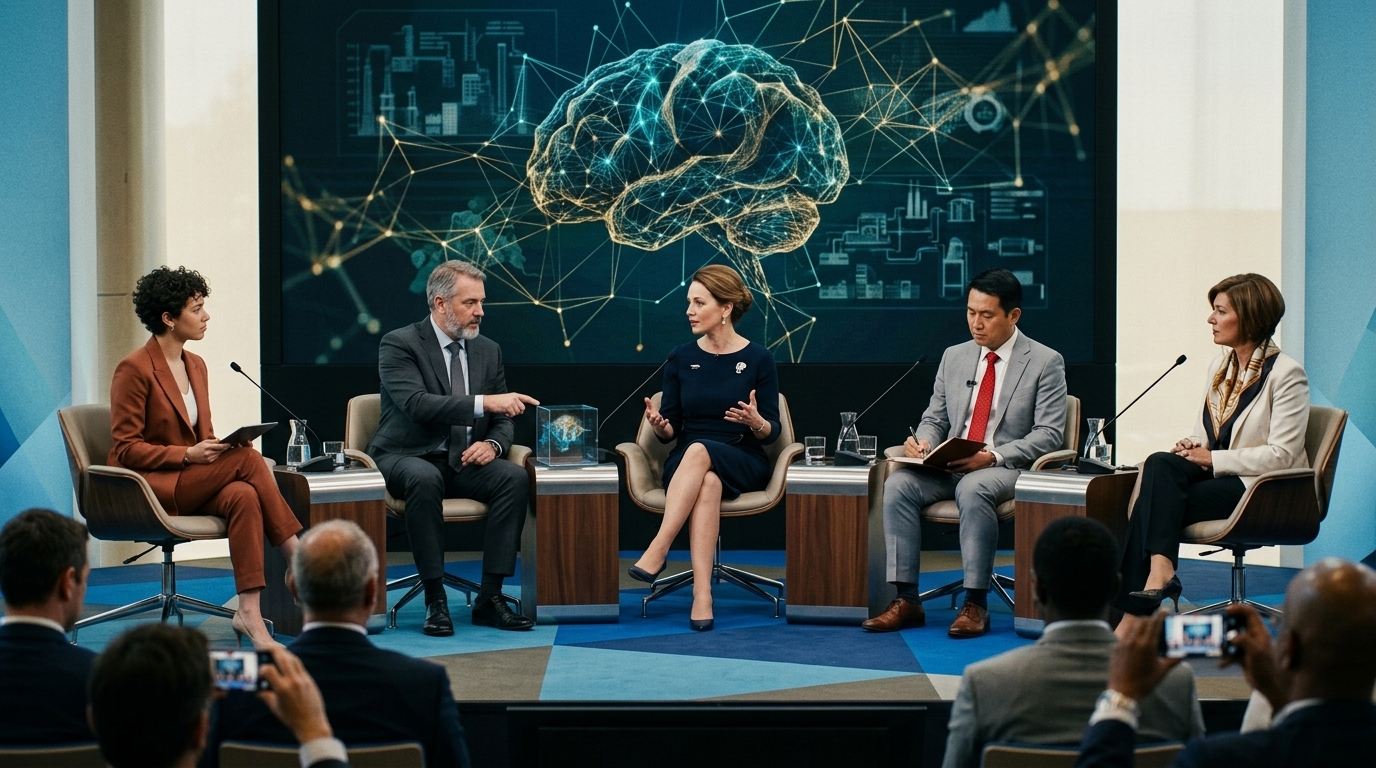
In the heart of the ancient world, where oracles once dictated the fate of nations, the 11th Delphi Economic Forum (DEF 2026) became the stage for a different kind of prophecy: the future of the global and Greek economy under the shadow of Artificial Intelligence (AI). This year's event moved beyond generic observations about a technological "revolution," focusing instead on the maturation of applications and how businesses are transforming their operating models to survive in an environment of exponential change.
From Hype to Operational Reality
The forum's proceedings made it clear that the era of experimentation is over. Top market leaders, from banking to energy and shipping, agreed that AI is now the central pillar of their strategy. According to statements from executives of major groups, the focus has shifted from the impressive demos of Large Language Models (LLMs) to the substantive integration of Generative AI into internal processes. Personalized customer service is no longer a goal but a necessity achieved through algorithms that predict consumer needs before they are even expressed.
However, this transition is not without obstacles. Speakers emphasized that adopting AI requires a radical overhaul of corporate culture. "This is not an IT project, but a change in mindset," was a key takeaway from a panel on digital transformation. Greek companies, although they have made leaps in recent years, are now called upon to address the issue of data quality, as AI is only as good as the data it is trained on.
The Skills Gap and the Talent Gain Challenge
One of the most pressing issues discussed in Delphi was human capital. Despite optimism about productivity gains, there is serious concern about the skills gap in the Greek labor market. The demand for professionals who can bridge the gap between technology and business strategy—the so-called "AI Translators"—is higher than ever. Participants stressed that investing in reskilling and upskilling is just as important as investing in cloud infrastructure.
- The need for continuous workforce training in AI tools.
- Attracting talent from abroad (Brain Gain) as a response to shortages.
- Creating hybrid roles that combine technical expertise with soft skills.
The Greek government, through its representatives, signaled that the state will act as a facilitator, creating the right framework for the development of innovation ecosystems. The "Greece 2.0" strategy continues to channel resources toward digitalization, but the challenge remains the speed at which small and medium-sized enterprises (SMEs), the backbone of the economy, absorb these technologies.
Regulation and Ethics: The European Approach
With the full implementation of the EU AI Act in 2026, the discussion at Delphi could not bypass the regulatory framework. Participants analyzed the delicate balance between protecting fundamental rights and promoting innovation. There was a common consensus: Europe is choosing the path of "Trustworthy AI," which can serve as a competitive advantage for Greek companies seeking to operate internationally.
"Ethics in AI is not a brake, but the guarantee for the long-term sustainability of businesses," noted a leading academic during a discussion on technology governance.
In conclusion, DEF 2026 highlighted that Artificial Intelligence is no longer a future promise but the present catalyst for business resilience. Greece stands at a critical crossroads: it will either leverage the "spirit of Delphi" to lead developments in Southeastern Europe or be limited to the role of a mere consumer of foreign technologies. The answer seems to lean toward the former, provided that public-private cooperation remains steady and focused.