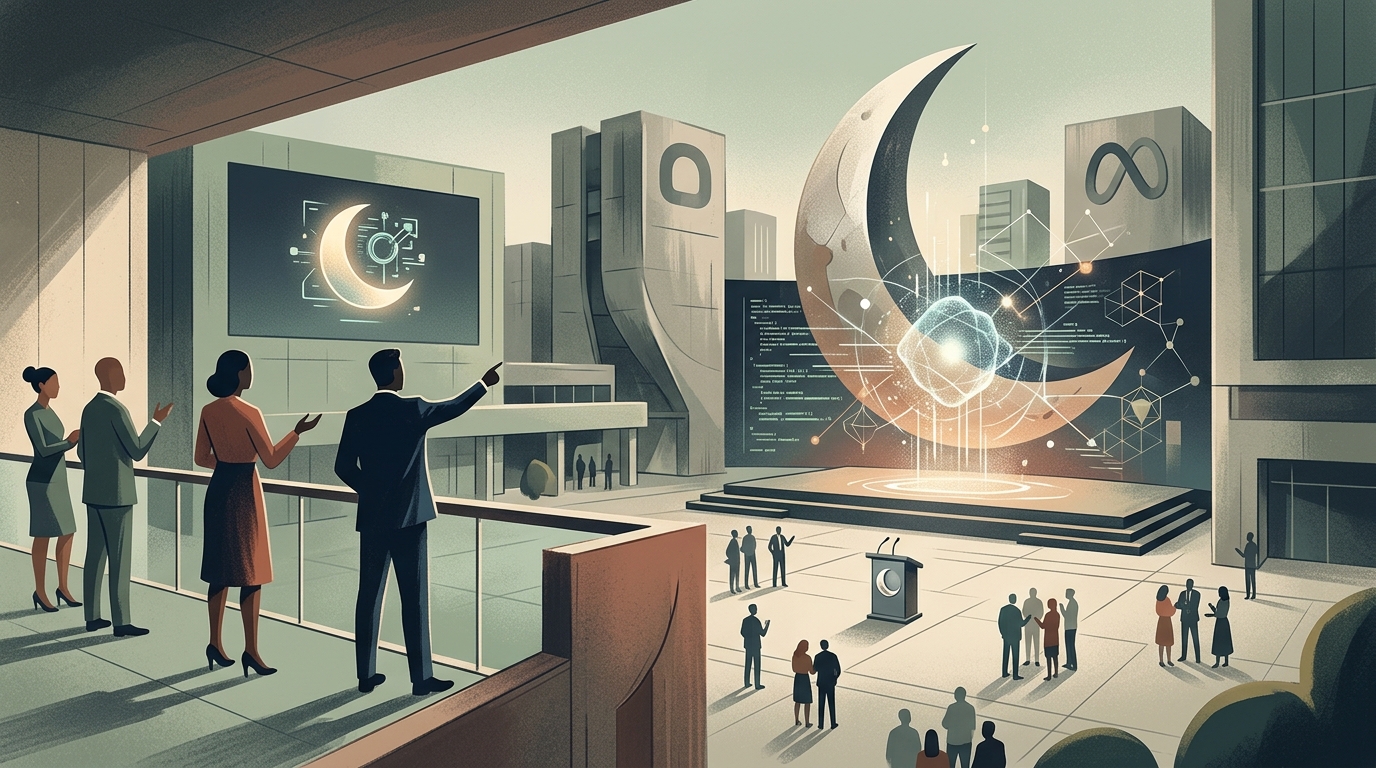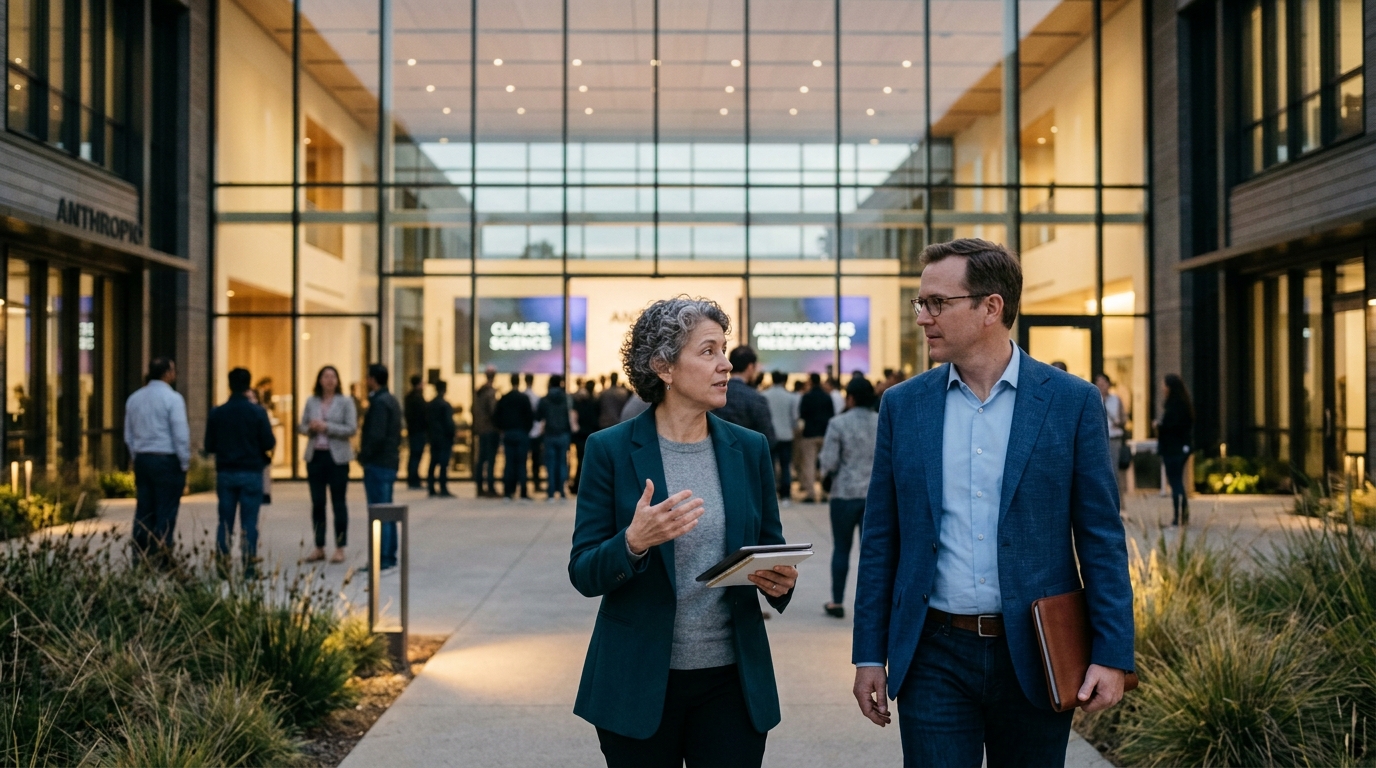
In a move that fundamentally reshapes the landscape of global scientific inquiry, Anthropic announced on Tuesday the launch of Claude Science, its newest flagship product. The announcement took place at an exclusive event in San Francisco, attended by pharmaceutical executives, biotech founders, and leading researchers. Claude Science is not merely another iterative update to a chatbot; it is an autonomous agent designed to function as a digital 'postdoctoral researcher' with inexhaustible knowledge and processing speed.
From Code to the Laboratory Bench
Following the success of Claude Code, which enabled software engineers to automate code generation and debugging at an unprecedented scale, Anthropic is now pivoting toward the hard sciences. Claude Science is built on the same philosophy of 'autonomous task execution.' It can ingest thousands of scientific papers in seconds, synthesize hypotheses, design experimental protocols, and analyze complex datasets ranging from genomic sequences to clinical trial results.
The core differentiator of Claude Science lies in its ability to interact with specialized software and laboratory hardware. Much like Claude Code can 'write' to a developer’s local environment, Claude Science can integrate with Electronic Lab Notebooks (ELNs) and Laboratory Information Management Systems (LIMS), making it a tangible partner in the 'wet lab' environment.
Addressing the Reproducibility Crisis
One of the most persistent hurdles in modern science is the reproducibility crisis—the inability of researchers to replicate the results of previous studies. Claude Science aims to mitigate this by imposing a rigorous, computational framework on the research process. By automating the documentation of every variable and utilizing advanced statistical models to verify data integrity, the system can identify anomalies and biases that often escape human observation.
- Automated literature reviews with critical source evaluation.
- Experimental design with predictive failure analysis.
- Real-time integration with robotic lab automation systems.
- High-throughput data processing for genomics and proteomics.
Safety and Ethics in the Age of AI Discovery
Anthropic, consistent with its commitment to 'Constitutional AI,' has embedded stringent safety guardrails within Claude Science. A primary concern in the industry is the potential dual-use of such powerful technology—specifically, the risk of it being used to engineer novel pathogens or biological weapons. The company emphasized that the model has been rigorously trained to refuse requests related to the creation of hazardous biological agents and includes a 'human-in-the-loop' requirement for critical experimental phases.
Despite these assurances, critics argue that the sheer autonomy of the system could lead to unforeseen emergent behaviors. Anthropic counters this with its Responsible Scaling Policy (RSP), which mandates continuous red-teaming and evaluation of the model’s capabilities as they evolve. For the global research community, access to these tools could democratize high-level science, allowing smaller labs to compete with industry titans by augmenting their intellectual output.
The Strategic and Economic Implications
This launch places Anthropic in direct competition with Google DeepMind and its suite of tools like AlphaFold. While DeepMind has focused on specific biological challenges like protein folding, Anthropic is offering a 'generalized scientist' capable of reasoning across disciplines. The market for AI in healthcare and drug discovery is projected to reach hundreds of billions of dollars over the next decade. Claude Science represents Anthropic’s bid to capture the enterprise research market by promising to slash drug development timelines from a decade to a matter of years.
As the industry moves toward 'AI-native' research, the role of the human scientist is shifting from a technician to a curator of machine-generated insights. Claude Science is the first major step into this new era, where the next breakthrough in oncology or materials science might not be 'found' by a human, but 'proposed' by an algorithm.