The history of technology is punctuated by moments when a new tool promises to make our work easier. However, what is currently unfolding within Anthropic, one of the world's leading AI laboratories, is not merely an improvement; it is a fundamental restructuring of the creative process. With the introduction of Claude Code—an agentic tool that operates directly within the developer's terminal—the company discovered something startling: its engineers were suddenly performing as if they were three people at once. But this abundance of code has birthed a new, unexpected challenge.
From Autocomplete to Autonomy
Until recently, AI tools for developers, such as GitHub Copilot, functioned as sophisticated autocomplete systems. They helped write a function or spot a bug, but the steering wheel remained firmly in human hands. Claude Code changes the paradigm. It doesn't just suggest code; it writes it, executes it, runs tests, fixes the resulting errors, and submits the final pull request for review.
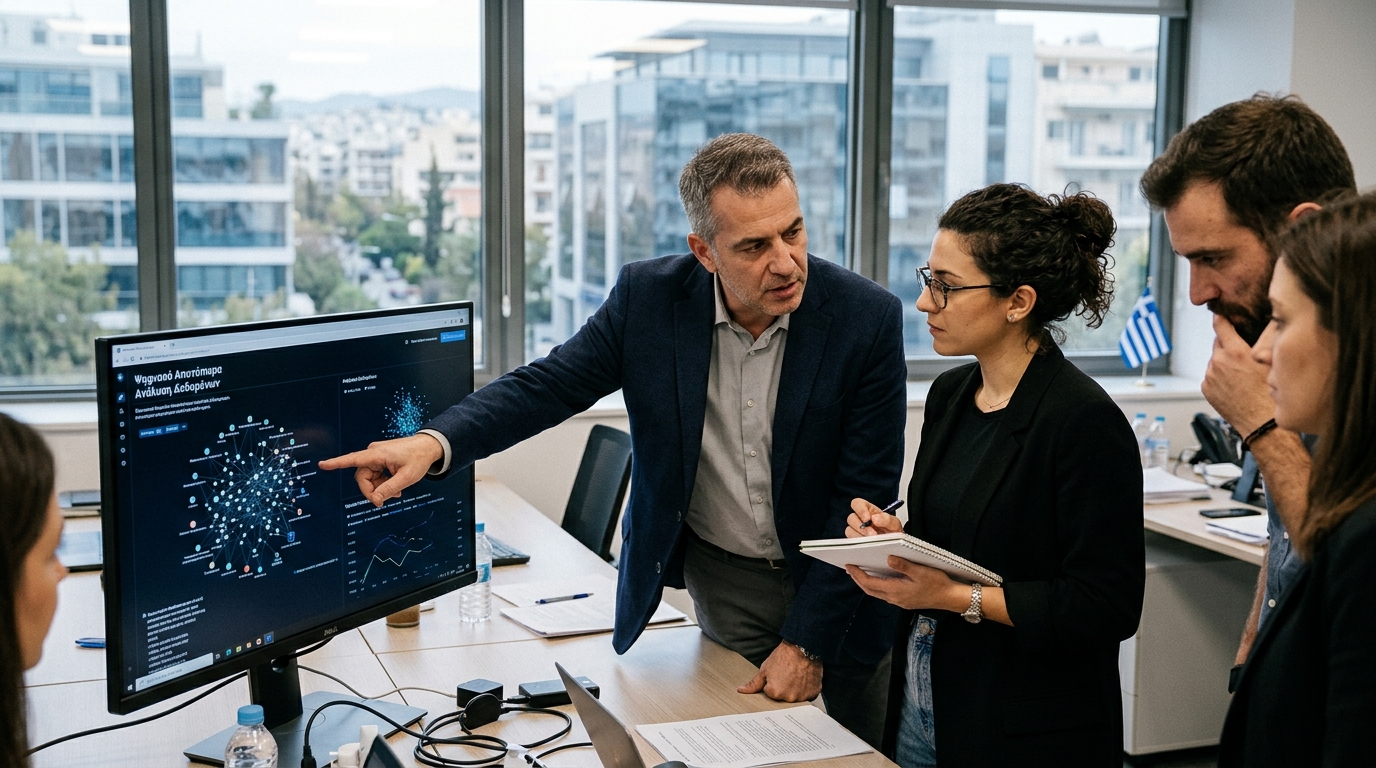
This "agentic" nature means the developer transitions from being the bricklayer to the site manager. According to internal reports from Anthropic's growth team, the velocity at which features are shipped has skyrocketed. Yet, when the production of code ceases to be the bottleneck, a new weakness emerges: the organization's ability to decide *what* should be built, *why*, and in what order of priority.
The Paradox of Human-Centric Strategy
One might expect a company that automates programming to scale back its hiring. On the contrary, Anthropic has instructed its growth team to hire more Product Managers (PMs). The explanation is simple yet profound: the bottleneck has shifted from execution to decision-making. When you can build everything three times faster, the cost of a strategic mistake is multiplied. If you are running in the wrong direction, AI just helps you get to the wrong destination faster.
"Product Thinkers"—individuals who blend technical understanding with user empathy and business acumen—are becoming more valuable than pure-play coders. In this new environment, the ability to discern which feature will provide genuine value to the customer is the skill that will define market winners. This shift marks the end of the "code monkey" era and the rise of the strategic architect.
"Code is becoming a commodity. Judgment, taste, and strategic choice remain rare human qualities."
Implications for the Labor Market
For software engineers, the message is clear: proficiency in syntax is no longer a sufficient moat. The "Product Engineer" is the new gold standard. This is a professional who can direct AI to solve problems while simultaneously understanding the business model and user pain points. They don't just ask "how do I build this?" but "should we be building this at all?"
In the global tech landscape, this shift is critical. Companies that invest only in production speed will find themselves drowning in an ocean of "perfect but useless" code. Real value will be generated by those who use Claude Code and similar tools to liberate time for deep thinking about product-market fit. We are moving from an era of labor scarcity to an era of clarity scarcity.
Conclusion: The Maturation of Engineering
The evolution of Claude Code is not the end of the developer; it is their maturation. As AI takes over the "grunt work" of coding, humans are being called back to what they do best: envisioning and designing solutions for complex human problems. Anthropic is not hiring PMs because AI failed, but because AI succeeded so spectacularly that human guidance became the most scarce and essential ingredient for success. The future belongs not to those who can write the most lines of code, but to those who can ask the most impactful questions.