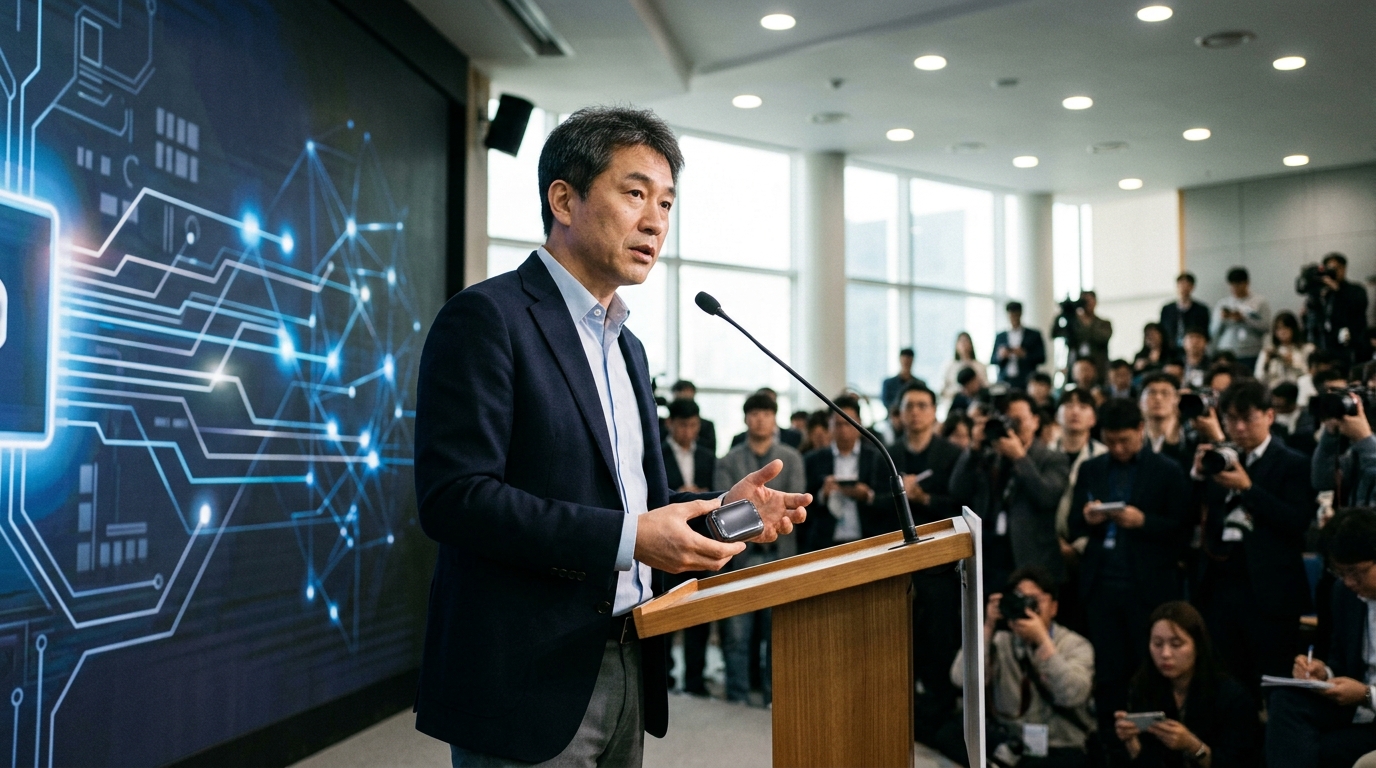
In the high-stakes theater of global technological dominance, ByteDance, the Chinese behemoth behind TikTok, is making a move that recalibrates the geopolitical chessboard of Artificial Intelligence. According to industry reports surfacing in May 2026, the company is accelerating the development of its own internally designed central processing units (CPUs) and AI accelerators. This move is far more than a simple cost-cutting exercise; it is a strategic necessity for survival in an era defined by Washington’s tightening grip on high-end semiconductor exports to China.
The Drive for Silicon Sovereignty
For years, ByteDance has operated as one of NVIDIA’s most significant customers. The recommendation engines that power TikTok—widely considered the gold standard of algorithmic engagement—require staggering amounts of computational power. However, as the tech-war between the US and China intensifies, access to cutting-edge chips like the H100 or the newer Blackwell series has become increasingly precarious and prohibitively expensive. ByteDance, recognizing the existential risk of falling behind in the Generative AI race, has opted to follow the blueprint laid out by Google, Amazon, and Meta: designing its own custom silicon.
Developing proprietary chips allows the company to tailor hardware specifically to the nuances of its algorithms. While NVIDIA’s general-purpose GPUs are incredibly versatile, a specialized chip can execute specific tasks—such as real-time video categorization or the training of large language models (LLMs)—with significantly higher energy efficiency and lower latency. In the world of hyperscale data centers, these marginal gains translate into billions of dollars in savings.
Geopolitical Hurdles and Technical Barriers
ByteDance’s ambition faces formidable obstacles. Designing a chip is only half the battle; manufacturing it is the other. With TSMC increasingly caught in the crosshairs of US regulatory compliance, ByteDance must navigate a complex web of foundry relations. Reports suggest the company is leveraging ARM architecture for its new designs, a move that provides a balance of flexibility and compatibility with existing software stacks while attempting to remain within the bounds of international licensing agreements.
Furthermore, there is the challenge of human capital. ByteDance has launched an aggressive global recruitment campaign, poaching top-tier engineering talent from the likes of Intel, AMD, and NVIDIA. In its hubs in Shanghai and Singapore, teams of hundreds are working to bridge the gap between abstract code and physical silicon. This shift toward vertical integration underscores a fundamental truth of the current era: the tech giants of the future cannot survive on software alone; they must own the stack from the ground up.
The Economic Imperative
From a fiscal perspective, the cost of AI infrastructure has reached a fever pitch. ByteDance reportedly spent billions in 2025 alone on acquiring "sanitized" or downgraded GPUs permitted for the Chinese market. By developing in-house silicon, the company aims to reduce its long-term capital expenditure by at least 30% over the next five years. At a time when TikTok faces legislative threats and potential bans in Western markets, securing its technological foundations is a critical hedge against geopolitical instability.
- Reducing reliance on volatile external semiconductor supply chains.
- Optimizing recommendation algorithms at the hardware level for peak performance.
- Circumventing US-led export controls on advanced AI hardware.
- Strengthening China's indigenous AI ecosystem against Western pressure.
In conclusion, ByteDance’s foray into custom silicon marks the end of an era where software was the sole arbiter of tech supremacy. In the new landscape of AI, silicon is sovereignty. The success of this venture will not only dictate the future of TikTok’s addictive algorithms but will also serve as a bellwether for the shifting balance of power in the global technology industry for the decade to come.