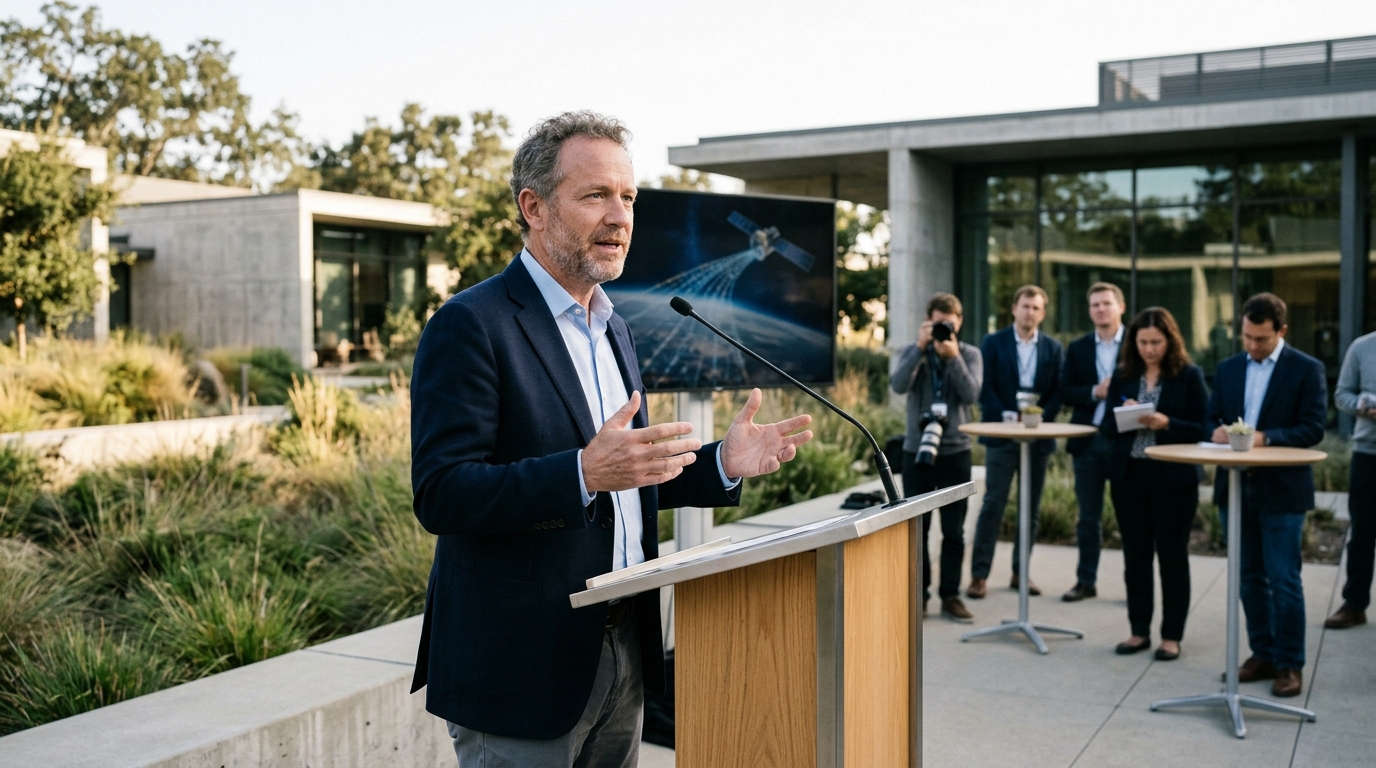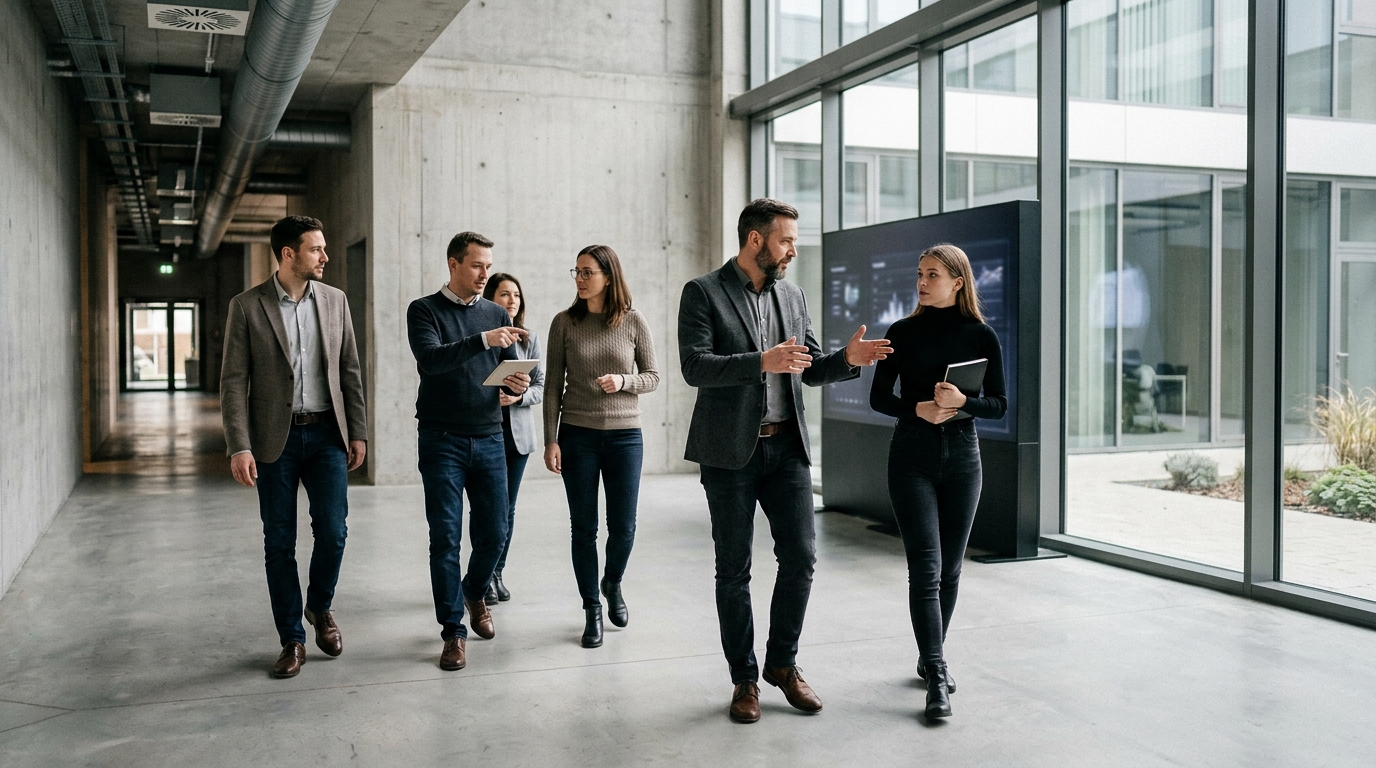
In the heart of San Francisco, in a neighborhood now colloquially dubbed "Cerebral Valley," a phenomenon is unfolding that piques the curiosity of architects and sociologists alike. While the tech giants of the previous decade, such as Google and Meta, invested billions into adult "playgrounds"—complete with slides, free gourmet cafeterias, and futuristic sleep pods—the new generation of AI startups is opting for a radically different approach. The offices of OpenAI, Anthropic, and Perplexity don't look like corporate headquarters; they resemble sterile laboratories or, even more strangely, modern-day monasteries.
A recent report by Futurism highlights an "eerie" vibe permeating these spaces. There is a stark contrast between the massive valuations of these companies and the physical reality of their offices. Where one might expect to see the cutting edge of interior design, one instead finds white walls, simple IKEA desks, and an atmosphere more reminiscent of a temporary command center than the seat of a revolution promising to alter humanity.
The Aesthetic of "Pure Thought"
Why do AI pioneers choose this aesthetic? The answer lies in the culture of "alignment" and absolute focus. In traditional tech companies, the office was a tool for employee retention. In AI startups, the office is a space of sacrifice at the altar of compute. The researchers working there aren't concerned with whether their latte has foam art; they care about whether the next training run of their model will exhibit "hallucinations."
This minimalism also functions as a status symbol. In the world of high tech, a lack of decoration implies that resources are being directed where they truly matter: toward Nvidia’s expensive H100 processors and hiring the world's top minds. It is a statement of priorities. As industry analysts put it, "When you're building God, you don't have time to pick out curtains."
The Return to Physical Presence
Despite the digital nature of their work, AI startups are among the most vocal proponents of Return-to-Office (RTO) mandates. While the rest of the world grapples with the benefits of remote work, at OpenAI, physical presence is considered essential. The complexity of the problems they aim to solve requires immediate, face-to-face interaction. The offices, however spartan, are filled with whiteboards covered in incomprehensible equations—an analog return to the roots of science.
- Proximity accelerates the resolution of critical technical glitches during model training.
- A culture of "intensive cohabitation" fosters a sense of urgency.
- Security and intellectual property protection are easier to manage in controlled physical spaces.
The Paradox of Empty Space
There is, however, a darker interpretation of this aesthetic. Some observers see in these empty, almost impersonal spaces a reflection of AI itself: something devoid of body, history, and human warmth. These offices have no "soul" because the product they create aspires to replace or transcend human creativity.
"It's like working inside an algorithm," says one former employee. "Everything is functional; nothing is decorative. It is the architecture of absolute utility."
Unlike the offices of the 90s, which were cluttered with posters and personal items, AI startup spaces are often anonymous. This suggests a shift from the individual to the collective, and from the human to the machine. The lack of personal touch in the workspace may be paving the way for an era where individual contribution becomes indistinguishable from the model's output.
The Economic Dimension: Burn Rate and Compute
Finally, we must not overlook the economic reality. The cost of electricity and servers for training a Large Language Model (LLM) is so astronomical that even the most well-funded startups must economize in other areas. San Francisco real estate remains expensive, but the priority is renting space in data centers, not purchasing high-end office furniture. This "industrial" approach indicates that AI is no longer a creative software industry, but a heavy infrastructure industry.