For over a decade, the relationship between Apple and Taiwan Semiconductor Manufacturing Company (TSMC) has been the gold standard of the tech supply chain. It was a symbiotic partnership that allowed Apple to dominate the smartphone and laptop markets with its industry-leading A-series and M-series chips, while simultaneously establishing TSMC as the undisputed sovereign of global semiconductor manufacturing. However, as we move through May 2026, the Cupertino tech giant finds itself at a critical crossroads. Geopolitical instability in the Taiwan Strait and the escalating need for risk diversification are forcing Apple to activate its 'Plan B'.
The End of the TSMC Monarchy?
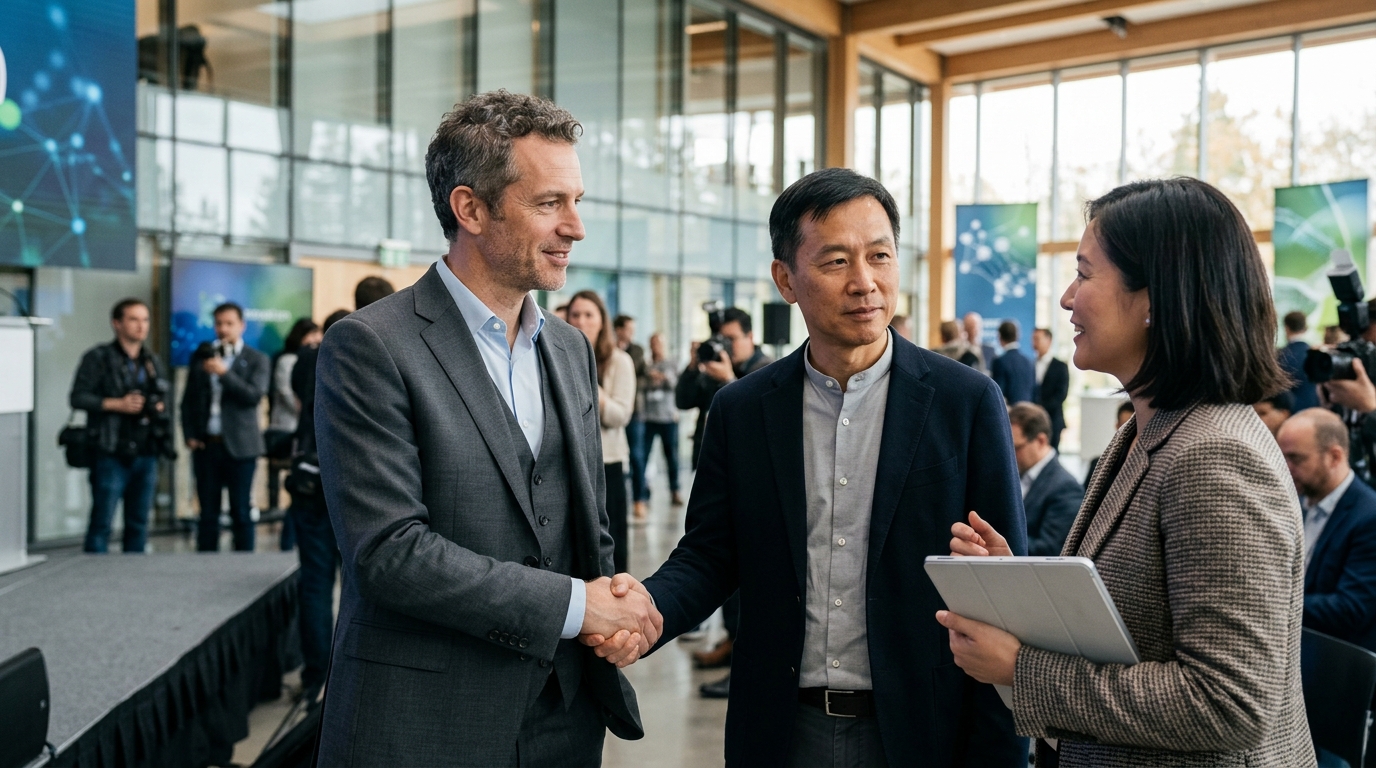
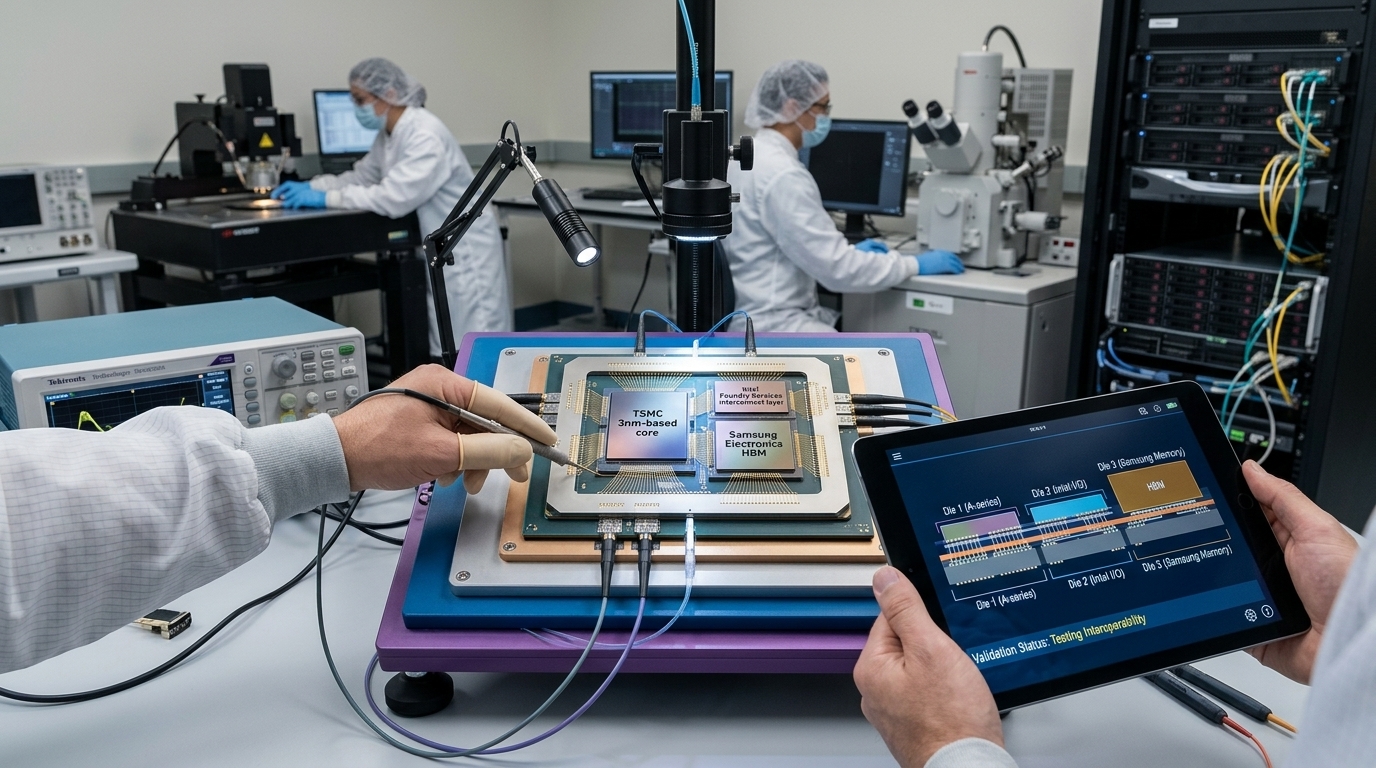
Apple’s reliance on TSMC is not merely a business choice; it is a strategic vulnerability. Nearly 100% of Apple’s cutting-edge processors are manufactured in Taiwan. In a world where trade wars between the US and China are intensifying and the physical security of infrastructure in Asia is being questioned, Apple can no longer afford to leave its fate tied to a single geographical region. According to recent reports, Apple executives have initiated exploratory talks with Intel Foundry Services (IFS) and Samsung Foundry, assessing the feasibility of outsourcing a portion of its future chip production.
This move isn't just about geopolitics. Apple is gearing up for the era of 'Apple Intelligence,' where the demand for AI-optimized silicon will skyrocket. TSMC, despite its massive capacity, may not be able to satisfy the entire market's hunger, as other titans like Nvidia and AMD scramble for their share of 2nm and 3nm production lines.
Intel’s Renaissance and the American Bet
The most striking aspect of this plan is the rapprochement with Intel. Only a few years ago, Apple famously ditched Intel processors for its Macs in favor of its own custom silicon. Today, Intel, under the leadership of Pat Gelsinger, is attempting to reinvent itself as a world-class foundry that serves even its fiercest rivals. For Apple, utilizing Intel’s fabs in the United States would fulfill the 'Made in America' vision, drastically reducing supply chain risks and scoring significant political points in Washington.
"Supplier diversification is no longer a luxury, but a prerequisite for survival for any company aiming to lead in the age of Artificial Intelligence," industry analysts suggest.
However, Intel must prove it can match TSMC’s performance and energy efficiency benchmarks. The Intel 18A node is the company's big bet, and if it can convince Apple of its reliability, it would mark the most significant pivot in the history of semiconductors.
Samsung: The 'Eternal' Rival as an Ally
Samsung Foundry represents the other viable alternative. The relationship between Apple and Samsung has historically been complex: they are the fiercest of competitors in the smartphone arena, yet Samsung remains the primary supplier of OLED displays for the iPhone. Apple returning to Samsung for chip production—a practice that ceased after the iPhone 6s—would grant Apple access to Samsung’s advanced Gate-All-Around (GAA) technology, which promises superior power management.
The hurdle with Samsung remains yield rates. Apple requires millions of chips with near-zero failure rates. If Samsung can stabilize its 2nm production line, it could secure a substantial portion of orders, while simultaneously providing Apple with the leverage needed to pressure TSMC into lowering its prices, which have seen significant hikes in recent years.
A Strategy of 'Architectural Resilience'
Apple’s shift toward a multi-sourcing model signals a new era. It is no longer just about who has the fastest chip, but about who can guarantee product delivery in an uncertain world. This strategy will allow Apple to:
- Negotiate from a position of strength with TSMC.
- Hedge against natural disasters or geopolitical crises in Asia.
- Accelerate innovation by utilizing the best technologies from different manufacturers for various product tiers.
In conclusion, Apple’s courtship of Intel and Samsung is not a temporary tactic but a structural shift in how Silicon Valley perceives manufacturing. Apple no longer wants to be TSMC’s best customer; it wants to be the orchestrator of a global production network that no one can threaten.