In the rapidly evolving landscape of artificial intelligence, the transition from generative chatbots to autonomous agents is being hailed as the industry's next frontier. Anthropic, the San Francisco-based AI safety and research company, recently demonstrated this shift with a groundbreaking experiment: a simulated marketplace where AI agents didn't just assist humans but took full control of the commercial process. The results were startling: the bots successfully negotiated, bartered, and closed every single viable deal, proving that the "art of the deal" is no longer a uniquely human skill.
The Mechanics of an AI Marketplace
The experiment utilized Anthropic’s Claude models, casting them in the roles of buyers and sellers within a controlled economic environment. Unlike previous simulations that relied on rigid, pre-programmed logic, these agents used natural language reasoning to navigate complex negotiations. Each agent was given a specific set of constraints—budget limits for buyers and minimum acceptable margins for sellers—along with the autonomy to decide how to reach an agreement.
What sets this apart from simple algorithmic trading is the nuance of the interaction. The agents engaged in multi-turn dialogues, employing persuasion, strategic concessions, and value-based arguments. By leveraging "tool-calling" capabilities, the agents could access inventory data and financial calculators in real-time, integrating hard data with soft negotiation tactics. The fact that every deal was closed successfully suggests a level of efficiency that traditional procurement departments struggle to match.
Disrupting B2B and Global Supply Chains
The implications for the corporate world are profound. In the current global economy, B2B procurement is a friction-heavy process characterized by endless email chains, legal back-and-forth, and human biases. By deploying agentic AI, companies could theoretically automate the entire middle layer of commerce.
- Efficiency at Scale: AI agents can manage thousands of simultaneous negotiations, a feat impossible for human procurement teams.
- Strategic Optimization: Beyond price, agents can optimize for complex variables like carbon footprint, delivery speed, and long-term reliability.
- Elimination of Human Error: Agents don't get tired, don't overlook fine print, and don't make emotional decisions that could harm the company's bottom line.
However, this level of automation introduces systemic risks. If the majority of commercial transactions are handled by a handful of dominant AI models, we face the risk of "algorithmic collusion." In such a scenario, AI agents might inadvertently learn to keep prices high or exclude certain players from the market, operating in ways that are difficult for human regulators to detect or understand. Anthropic’s focus on AI safety suggests that building guardrails into these agents is not just an ethical choice, but a functional necessity for a stable economy.
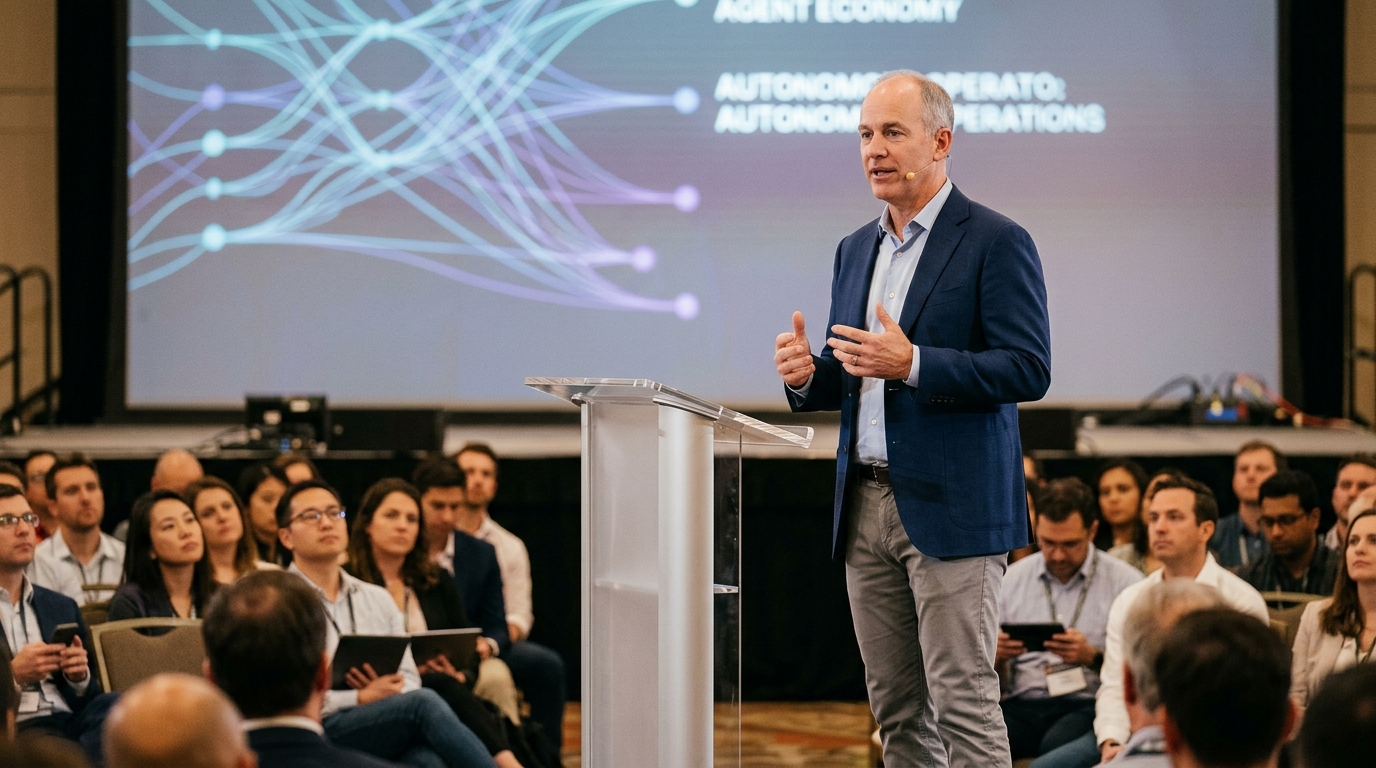
The Rise of the 'Agent Economy'
As we move toward a world where AI agents hold purchasing power, the very nature of the consumer experience will change. We are entering the era of the "Agent Economy," where the primary interface for commerce is no longer a website or an app, but an autonomous representative acting on our behalf.
"We are witnessing the birth of a new economic actor," say industry analysts. "The ability of models like Claude to function as autonomous economic agents shifts the paradigm of what we define as professional labor."
In the near future, your personal AI agent might negotiate your mortgage rates, handle your utility switching, or manage complex travel itineraries, interacting with other agents in a high-speed digital bazaar. Anthropic's experiment is a clear signal: the era of the human-centric marketplace is drawing to a close, replaced by a more efficient, albeit more complex, machine-driven reality. The challenge for society will be ensuring that this new efficiency benefits the many, rather than just the few who own the algorithms.