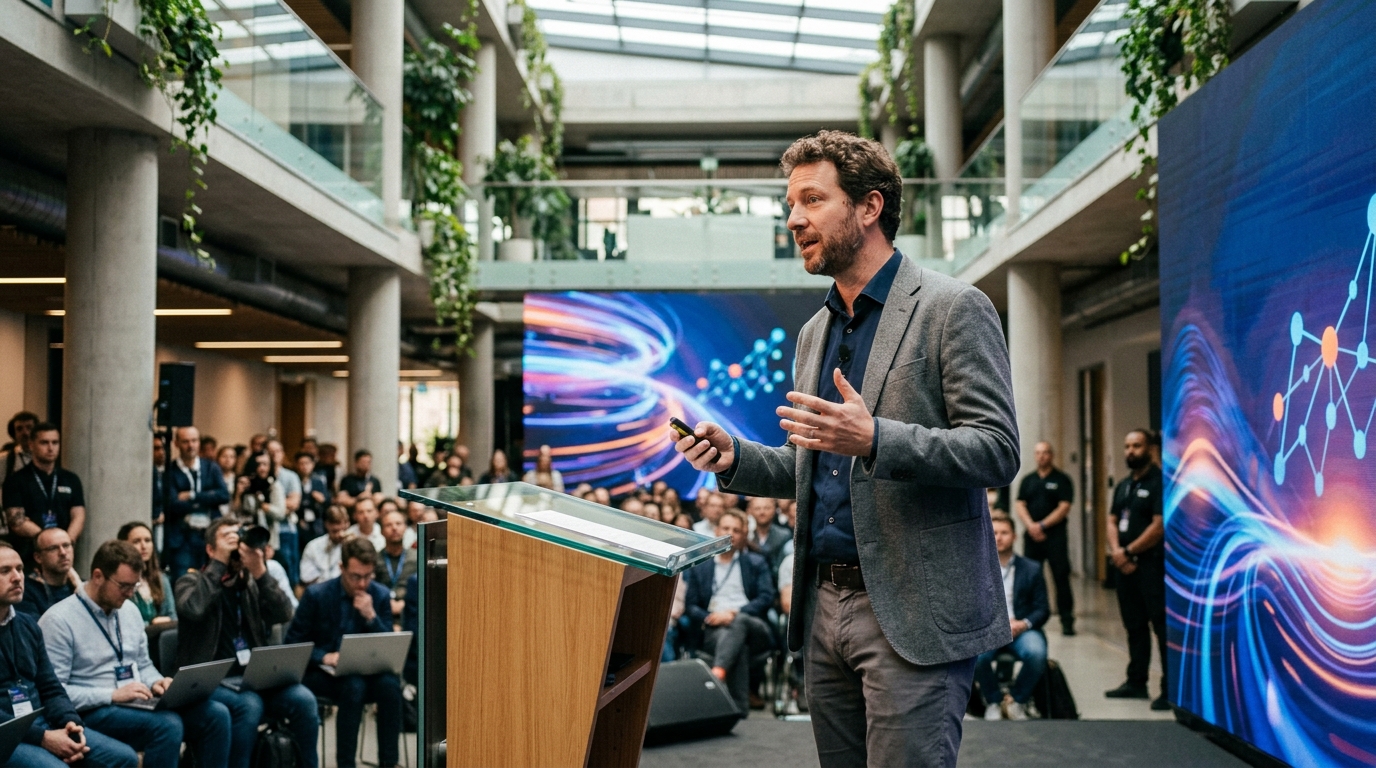
In an era where Artificial Intelligence (AI) developments move at the speed of light, Anthropic, the company behind the Claude models, is making waves with its projections for the future. CEO Dario Amodei, in a revealing interview with the New York Times, stated that the company could see its power and scale increase by as much as 80 times within a single year. This statement is not merely an optimistic business forecast; it is a reflection of the exponential nature of the 'scaling laws' that govern modern computing.
The Physics of Scale and the Cost of Success
Anthropic, founded by former OpenAI executives with a focus on AI safety, now finds itself at the center of a capital whirlwind. According to Amodei, the cost of training next-generation models is no longer measured in millions, but in billions of dollars. "Right now we are training models that cost hundreds of millions, but soon we will be talking about $10 billion models," he noted. The projection for 80x growth is directly linked to access to vast amounts of compute power, which Anthropic secures through strategic partnerships with giants like Amazon and Google.
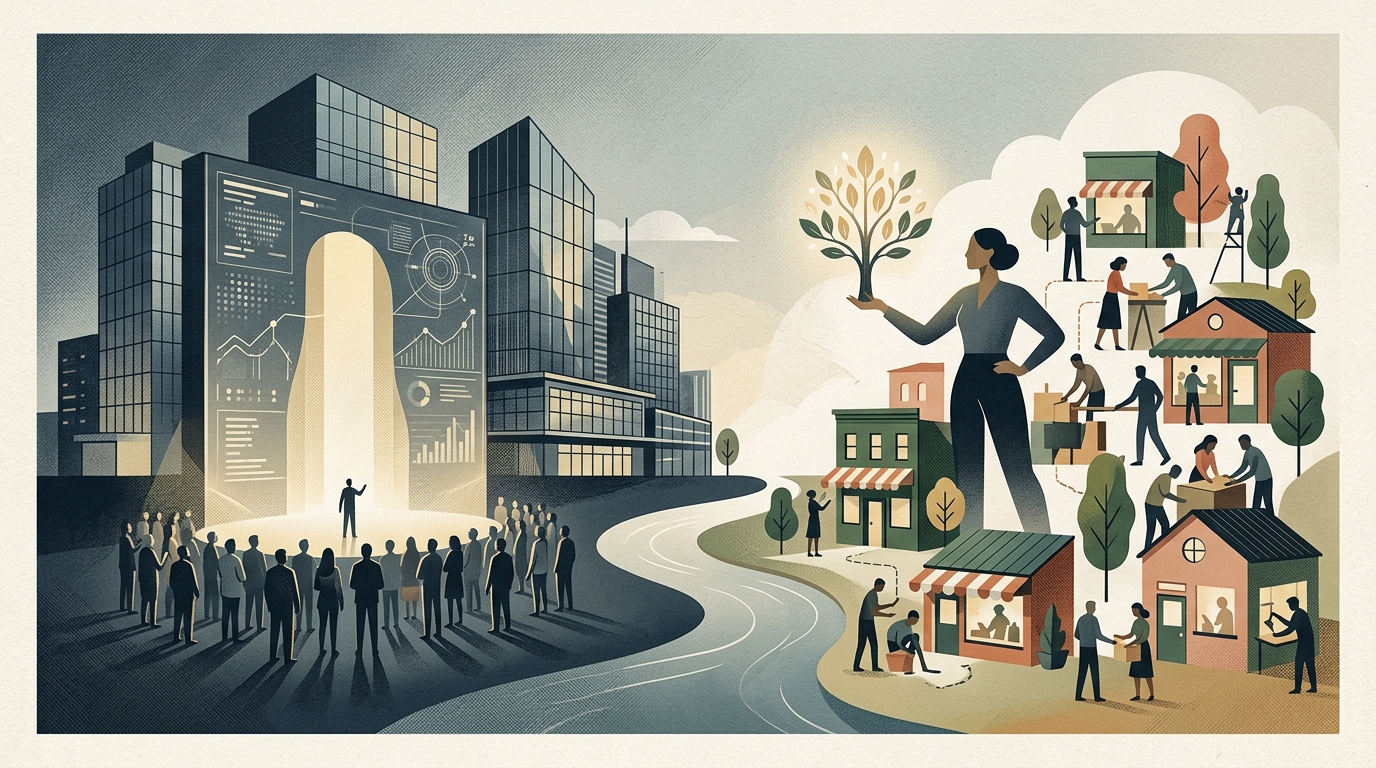
This insatiable need for capital creates a paradox for a company that identifies as a 'Public Benefit Corporation.' Balancing ethical development with the need for rapid commercial expansion is Anthropic's grand challenge for 2026. The market is closely watching whether the company can maintain its 'Constitutional AI'—its technique for embedding values into models—while simultaneously competing with the aggressive growth of OpenAI and Meta.
Competition and the Strategy of 'Safe' Dominance
Anthropic does not just aim to be the largest; it aims to be the most reliable. The Claude 3 family and its successors have gained enterprise trust due to their lower hallucination rates and their ability to handle massive context windows. However, the 80x growth forecast suggests a pivot from a research-heavy approach to becoming a dominant commercial force.
- Infrastructure Expansion: Leveraging Amazon’s Trainium chips and Google’s TPUs is critical to achieving these targets.
- Enterprise Penetration: Anthropic is targeting sectors like law, medicine, and software engineering, where precision is non-negotiable.
- Global Regulation: Amodei is actively involved in regulatory discussions, arguing that rapid scaling must be coupled with rigorous safety protocols.
"It’s not just about who has the biggest model, but about who can control the power they create," Amodei remarked, highlighting the uniqueness of Anthropic's philosophy.
The Future of AI in 2026
As we move through 2026, the claim of 80x growth seems less like hyperbole and more like a necessity for survival. In the AI market, stagnation is equivalent to extinction. Anthropic appears to be laying the groundwork for a new era where AI models are not just assistants, but full-fledged partners capable of solving complex scientific problems. The challenge remains: can growth be this rapid without sacrificing safety? The answer to this question will determine not only Anthropic's future but the trajectory of humanity in the digital age.