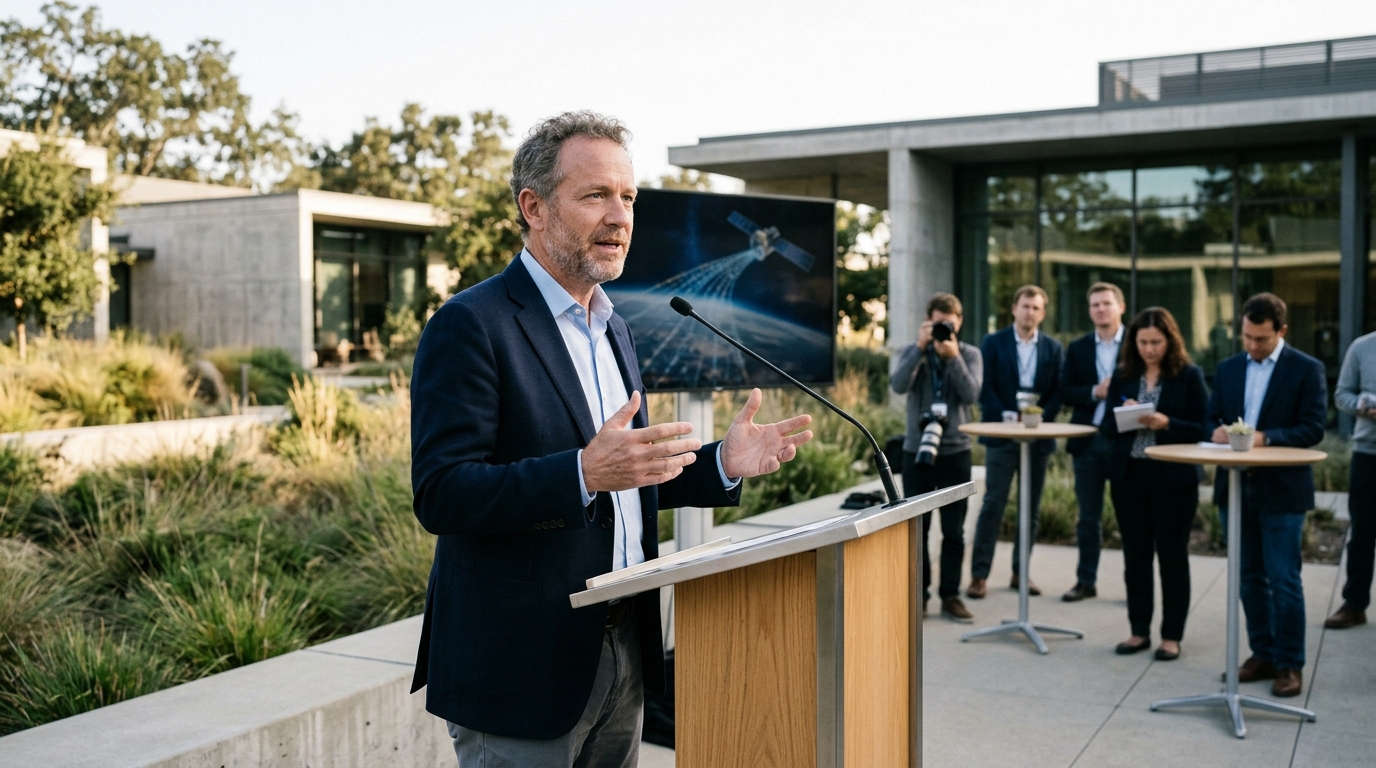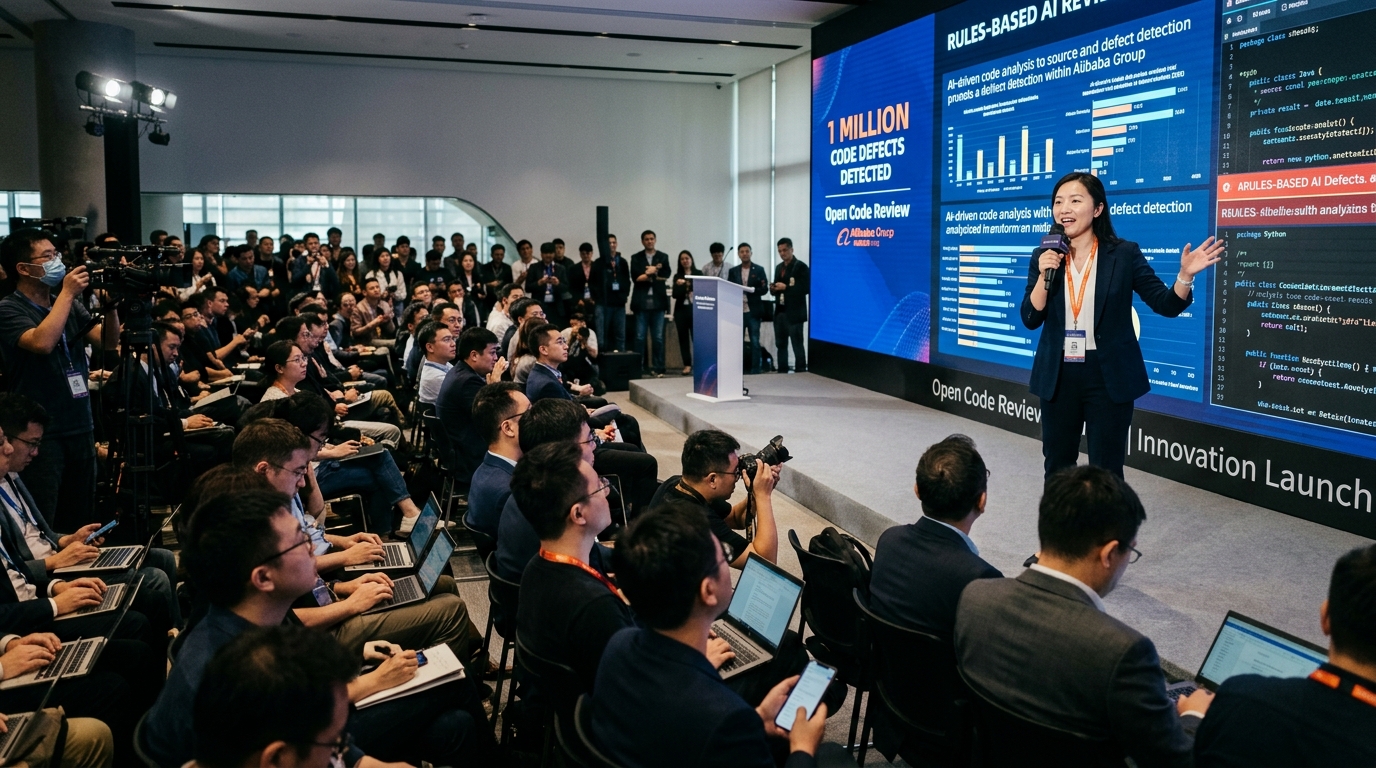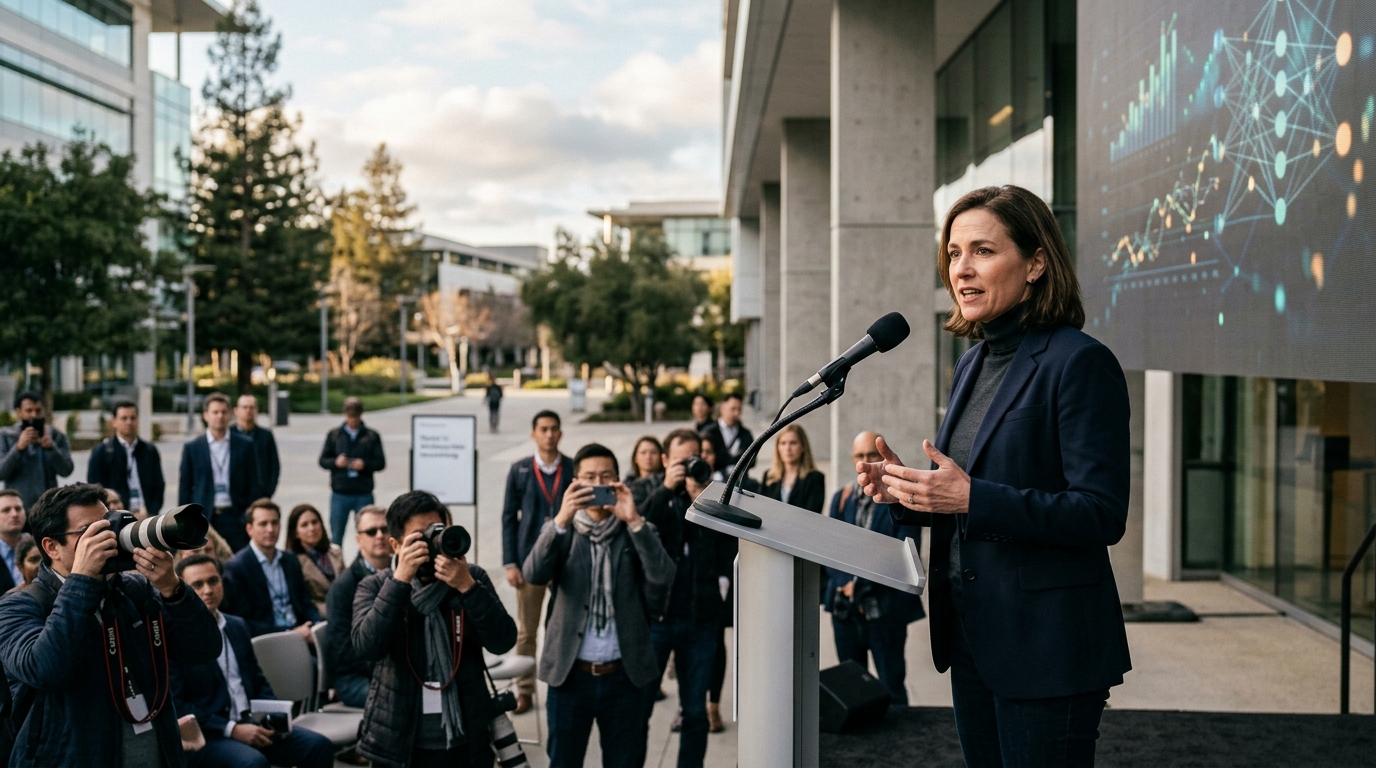
May 28, 2026, will be etched in technological history as the day the apprentice officially surpassed the master. Anthropic PBC, the company founded by former OpenAI executives with a mandate for safety and ethical alignment, announced today the closing of a gargantuan $65 billion funding round. This move skyrockets the company’s valuation to $965 billion, placing it for the first time above OpenAI and within the inner sanctum of the trillion-dollar Big Tech elite.
Constitutional AI as a Commercial Moat
When the Amodei siblings left OpenAI in 2021, many pundits argued that their obsession with "AI Safety" would be a drag on growth. However, 2026 has proven the exact opposite. Anthropic’s approach, known as "Constitutional AI," is no longer just a theoretical framework; it has become the ultimate commercial moat. Large enterprises and governments, spooked by the hallucinations and erratic behavior of other models, have flocked to Claude, Anthropic’s ecosystem.
The ability of Anthropic to deliver models that self-regulate based on a predefined set of principles has fostered a level of trust that OpenAI struggled to maintain amidst internal governance crises and shifting leadership dynamics. The $65 billion infusion comes from a consortium led by Amazon and Google, confirming that these two giants are betting on Anthropic to serve as the foundational "operating system" for the next decade of automation.
The Compute Wars and AI Geopolitics
The staggering sum of $65 billion is not earmarked for mere R&D. In today’s landscape, AI dominance is inextricably linked to access to compute. Anthropic plans to invest the lion's share of this capital into building proprietary supercomputing clusters, reducing its reliance on third-party providers and accelerating the training of Claude 5, which is expected to demonstrate "PhD-level reasoning" across multiple domains simultaneously.
- Expanding infrastructure in Europe and Asia to comply with local data sovereignty regulations.
- Aggressive talent acquisition from academia and rival firms.
- Developing specialized models for the healthcare and national security sectors.
This move carries profound geopolitical implications. With this valuation, Anthropic becomes a "national champion" for the United States at a time when competition with China over semiconductors and algorithms has reached a fever pitch. The participation of sovereign wealth funds from the Middle East in this round also underscores the global thirst for a stake in the "intelligence economy."
Why OpenAI Lost the Lead
OpenAI’s descent from the top of the valuation pyramid is not due to a failure of technology, but rather a crisis of identity. While OpenAI attempted a precarious balance between its non-profit roots and the demands of its primary investor, Microsoft, Anthropic operated as a Public Benefit Corporation (PBC) from the outset. This legal structure allowed it to align profit with social benefit in a manner that appeared more transparent and stable to institutional investors.
"We aren't just buying shares in a software company; we are buying the future of human decision-making," stated a leading Wall Street analyst during the announcement.
The market is clearly penalizing instability. The continuous exodus of top-tier scientists from OpenAI to Anthropic over the past two years created a transfer of intellectual capital that has finally manifested in the valuation gap. Anthropic is no longer the "safe alternative"; it is the new hegemon of the AI era.