For decades, purchasing a mobile phone was a simple, linear transaction: you pay the price, receive the device, and own it until it wears out or you choose to replace it. However, 2026 finds the Android ecosystem at a critical crossroads. Google, following in the footsteps of major software providers, is transforming its operating system into a "feature rental" platform. The recent news that advanced artificial intelligence features will now require a monthly subscription is not just a change in pricing policy, but a fundamental revision of what "ownership" means in the digital age.
From Hardware to Services: The Strategic Pivot
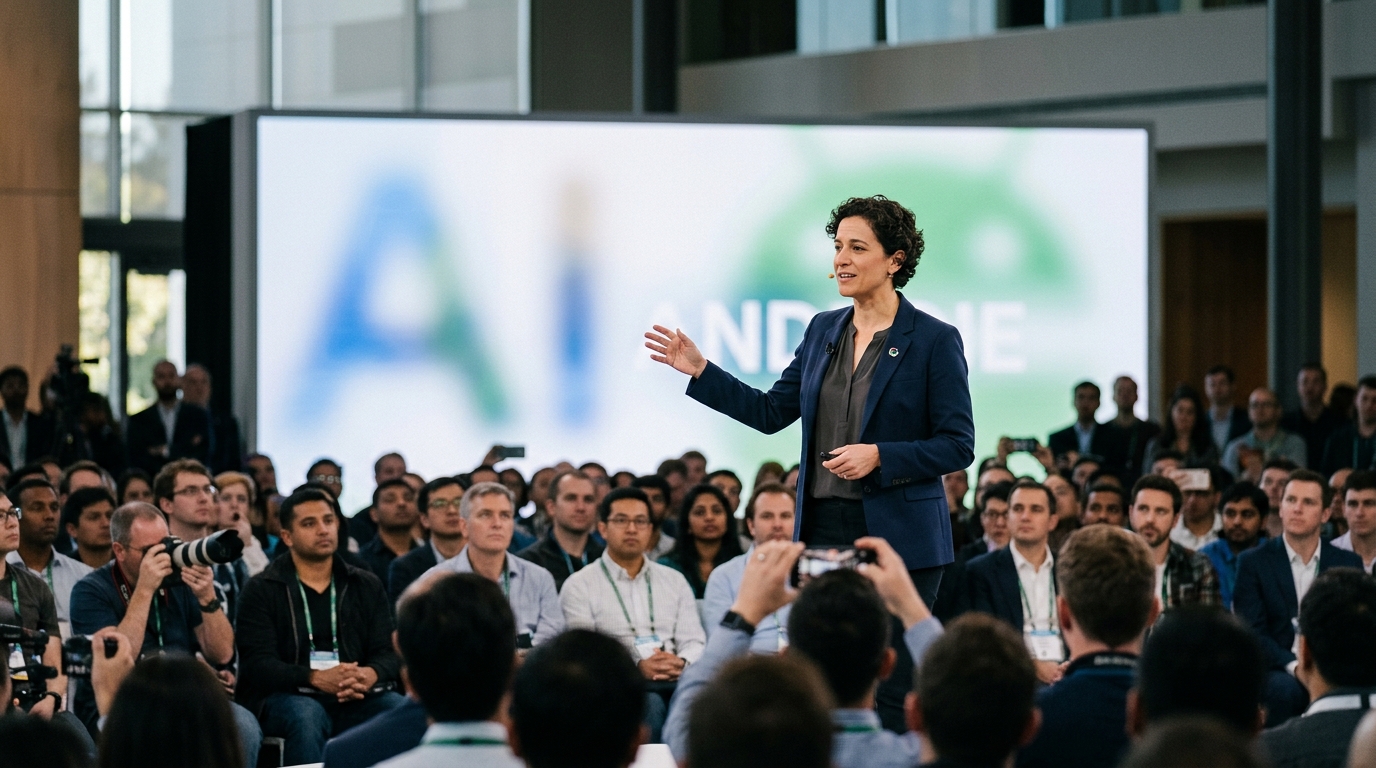
Google is no longer a company that simply "gives away" software to collect data. With the advent of Gemini and its integration into the core of Android, the company faces enormous operational costs. Processing AI requests in the cloud requires massive computational power and energy, making the free model unsustainable in the long run. Thus, Google One AI Premium becomes the "gateway" for those who want their phone to be more than just a communication device.
Users of new Pixel devices, as well as other Android flagships, are finding that features like advanced photo editing (Magic Editor), automated drafting of complex emails, and personalized digital assistants are being locked behind a paywall. This creates a two-tier society of users: those who can afford the "rent" for a smart phone and those who are limited to a basic, "dumb" version of the expensive device they purchased.
Competition and the Domino Effect
Google's move does not happen in a vacuum. Samsung has already hinted that Galaxy AI features will remain free only for a limited time, while Apple is considering similar models for the most advanced capabilities of Apple Intelligence. The smartphone industry has reached a plateau regarding hardware innovation. Processors are already lightning-fast, and cameras are exceptional. The only path for continuous revenue growth is services.
- The need for recurring revenue to satisfy shareholders.
- The high cost of maintaining LLMs (Large Language Models) on a global scale.
- The attempt to create a "walled garden" ecosystem reminiscent of Apple's model.
This trend raises serious questions for consumers. If you buy a phone for $1,000, is it ethical to have to pay another $20 per month to use the processor that already exists inside your device? Google's answer is that the intelligence does not reside in the device, but in the cloud, and access to that cloud comes at a price.
Subscription Fatigue and Consumer Psychology
The phenomenon of "subscription fatigue" is now palpable. After Netflix, Spotify, iCloud, and productivity app subscriptions, adding another monthly cost for the mobile operating system itself might be the tipping point. Many analysts warn that users may turn to open-source alternatives or simply refuse to upgrade their devices, slowing down the market.
"We are no longer buying products, but licenses to use them that can be revoked at any time," say digital economy experts.
In conclusion, Google's move to impose subscriptions for AI features on Android marks the end of the era of "free" innovation. The mobile phone is transforming from a tool into a service, and the user is called to decide whether the convenience offered by AI is worth the permanent burden on the family budget. The battle for AI supremacy will not be decided only in laboratories, but also in the endurance of the consumer's wallet.