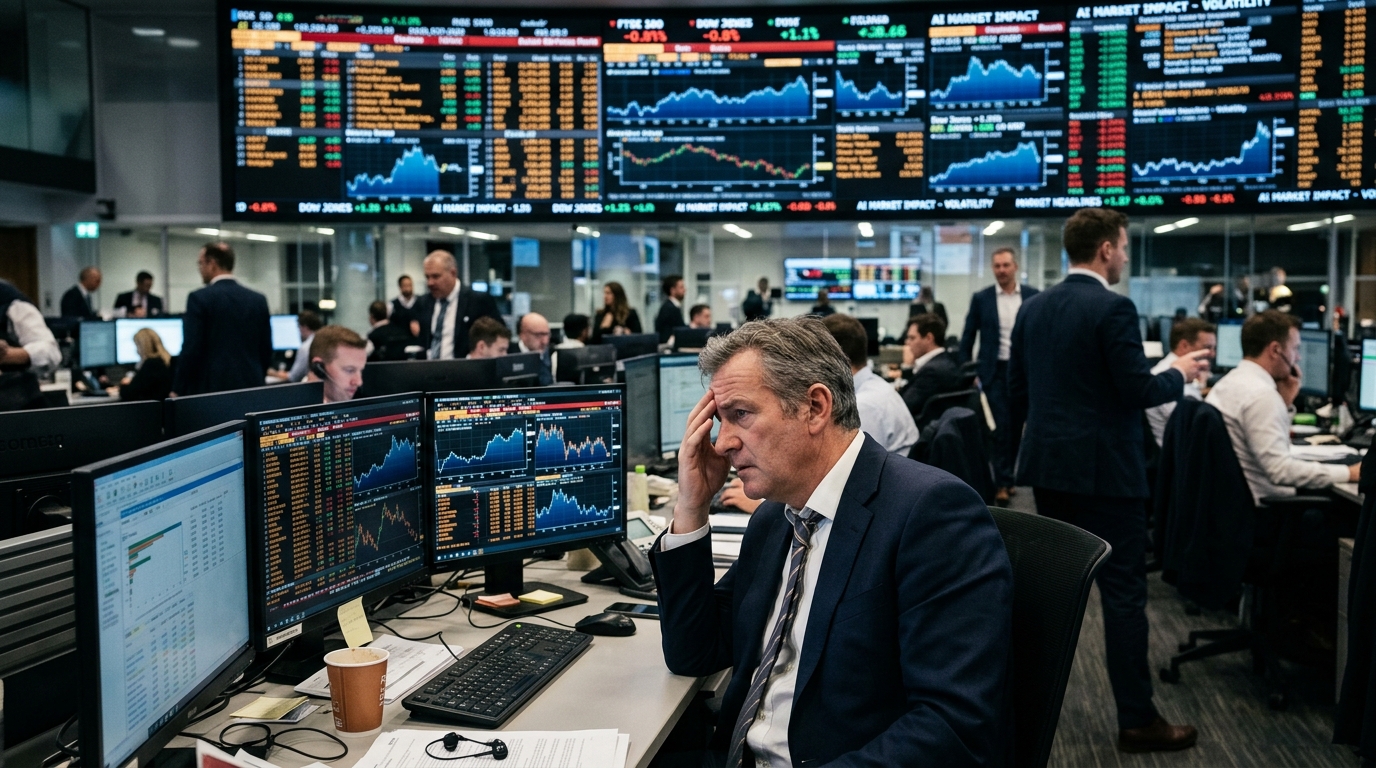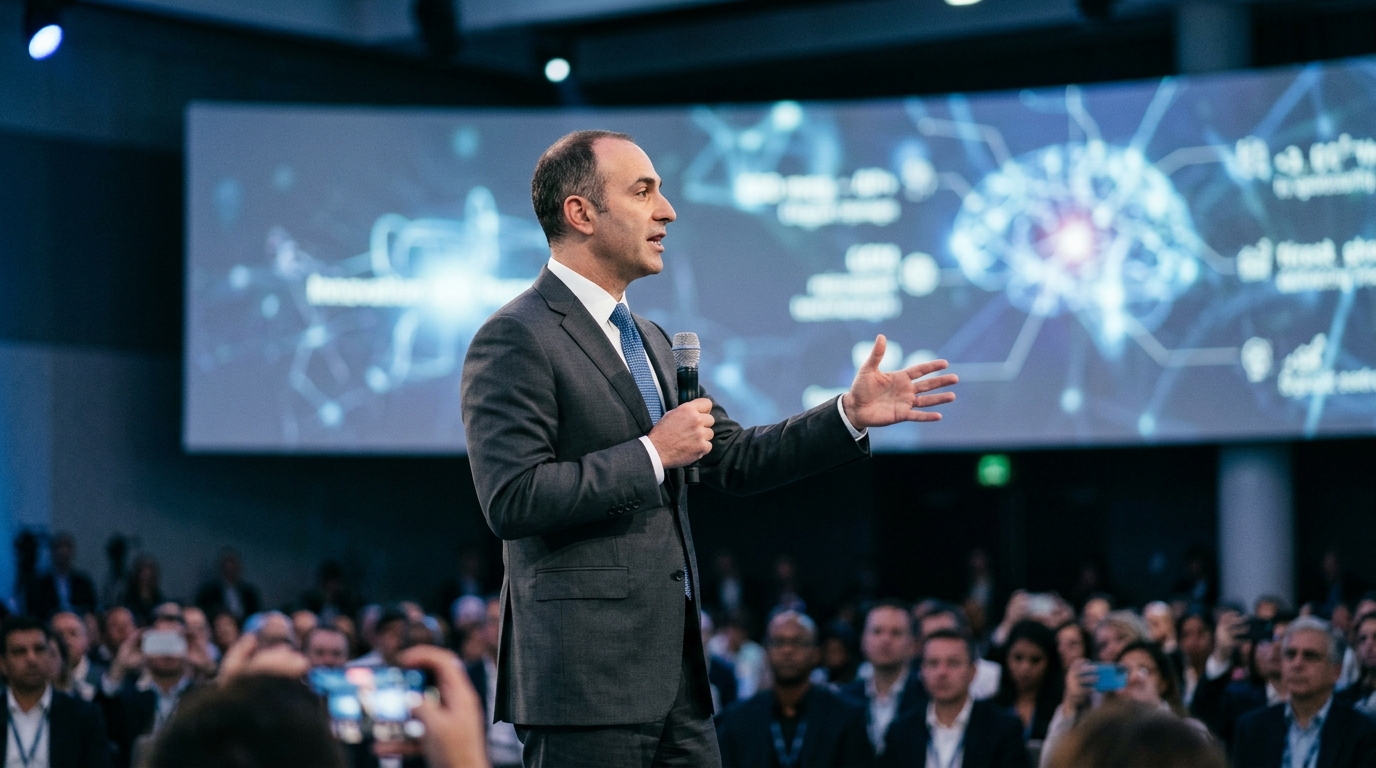
In an era where technological supremacy is increasingly measured by the parameters of large language models, Chinese titan Alibaba Group Holding Ltd. finds itself at a defining crossroads. Under the renewed leadership of Eddie Wu and Joe Tsai, the company’s strategy has pivoted decisively toward an "AI-first" philosophy. However, this transition is fraught with challenges, as the firm grapples with internal restructuring, fierce competition, and investor anxiety regarding share count dilution.
The Strategic AI Pivot
Alibaba is no longer content with merely developing its own tools. Over the past year, it has emerged as one of China’s most aggressive venture investors in the AI space. By funneling capital into startups like Moonshot AI, MiniMax, and Zhipu AI—often referred to as China’s "AI Tigers"—Alibaba is building an ecosystem designed to feed its Cloud Intelligence Group. The logic is both simple and ambitious: by providing the capital and the cloud infrastructure to these burgeoning firms, Alibaba ensures that the next generation of AI applications will run natively on its stacks.
Its proprietary model, Tongyi Qianwen (Qwen), has shown significant prowess, rivaling OpenAI’s GPT-4 in several benchmarks. The company’s decision to open-source multiple versions of Qwen is a tactical masterstroke aimed at establishing industry standards within the Chinese market, effectively undercutting the momentum of rivals like Baidu and Tencent.
The Share Count Conundrum
Despite these technological strides, Alibaba’s stock performance remains under a cloud of skepticism. A primary pain point for Wall Street analysts is the "creeping" share count. While Alibaba has announced massive share buyback programs—exceeding $12 billion in the last fiscal year—the simultaneous issuance of shares for employee compensation and convertible bond offsets has often neutralized the benefits for common shareholders. This creates a perception of treading water, where the company works overtime just to maintain its earnings per share (EPS) levels.
- Share buybacks reached record levels but were offset by stock-based compensation.
- Investors are calling for a more transparent capital allocation framework.
- The disconnect between AI innovation and stock price remains a key concern for the board.
Geopolitics and the Competitive Moat
The landscape for Alibaba is further complicated by US-led export restrictions on high-end semiconductors. The inability to access Nvidia’s top-tier H100 or B200 chips has forced Alibaba to innovate at the software layer and invest heavily in domestic alternatives. Simultaneously, on the home front, PDD Holdings (owner of Temu and Pinduoduo) is threatening Alibaba’s e-commerce crown. PDD’s lean structure and AI-driven consumer insights have allowed it to capture market share from Alibaba’s legacy platforms, Taobao and Tmall.
"Artificial Intelligence is not just a new feature for us. It is the engine that will transform every facet of our operations, from Taobao to Cainiao logistics," Eddie Wu recently emphasized during an internal briefing.
In conclusion, Alibaba is doubling down on AI to reclaim its former glory. If it can successfully translate its technological lead into tangible profitability while addressing the structural concerns of its shareholders, it may well secure its place as the bedrock of China's digital future. If not, it risks becoming a legacy giant, overtaken by leaner, more focused challengers in the silicon race.