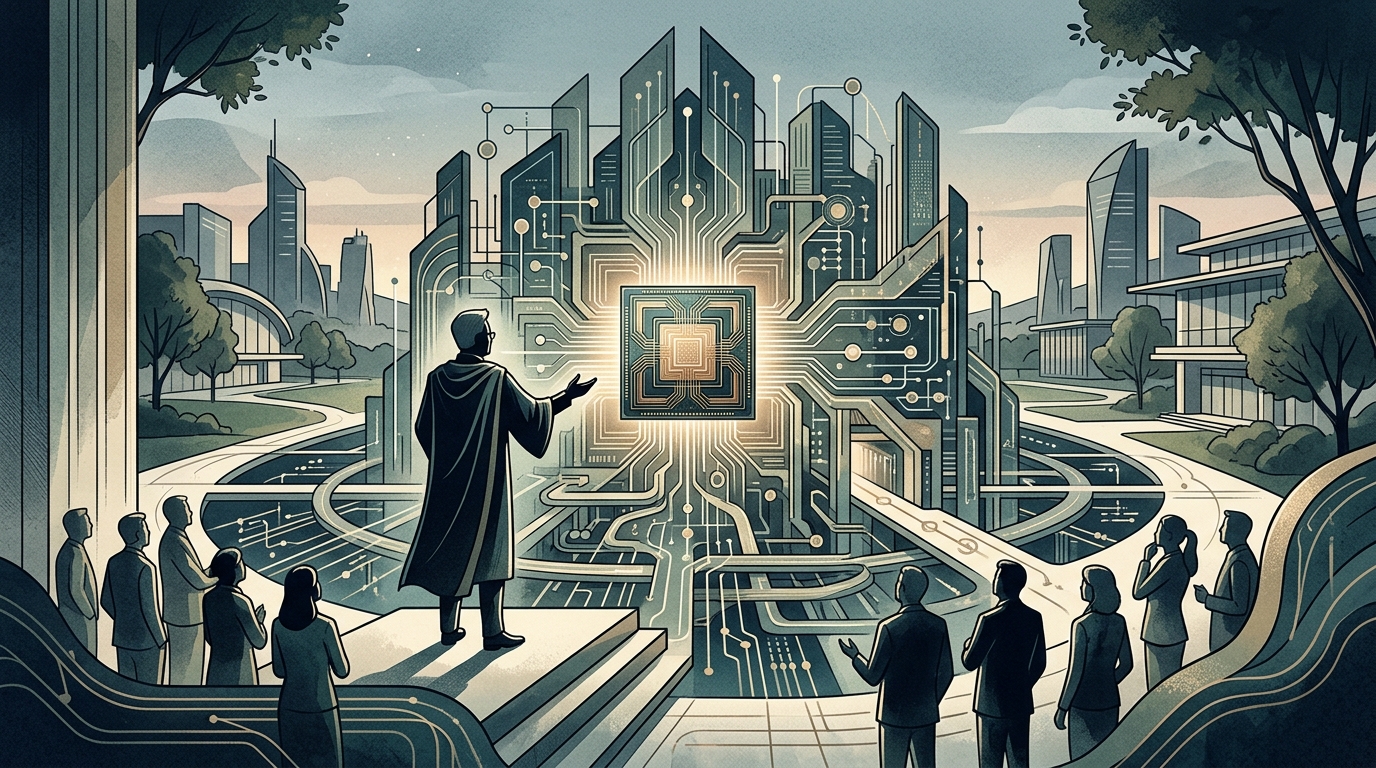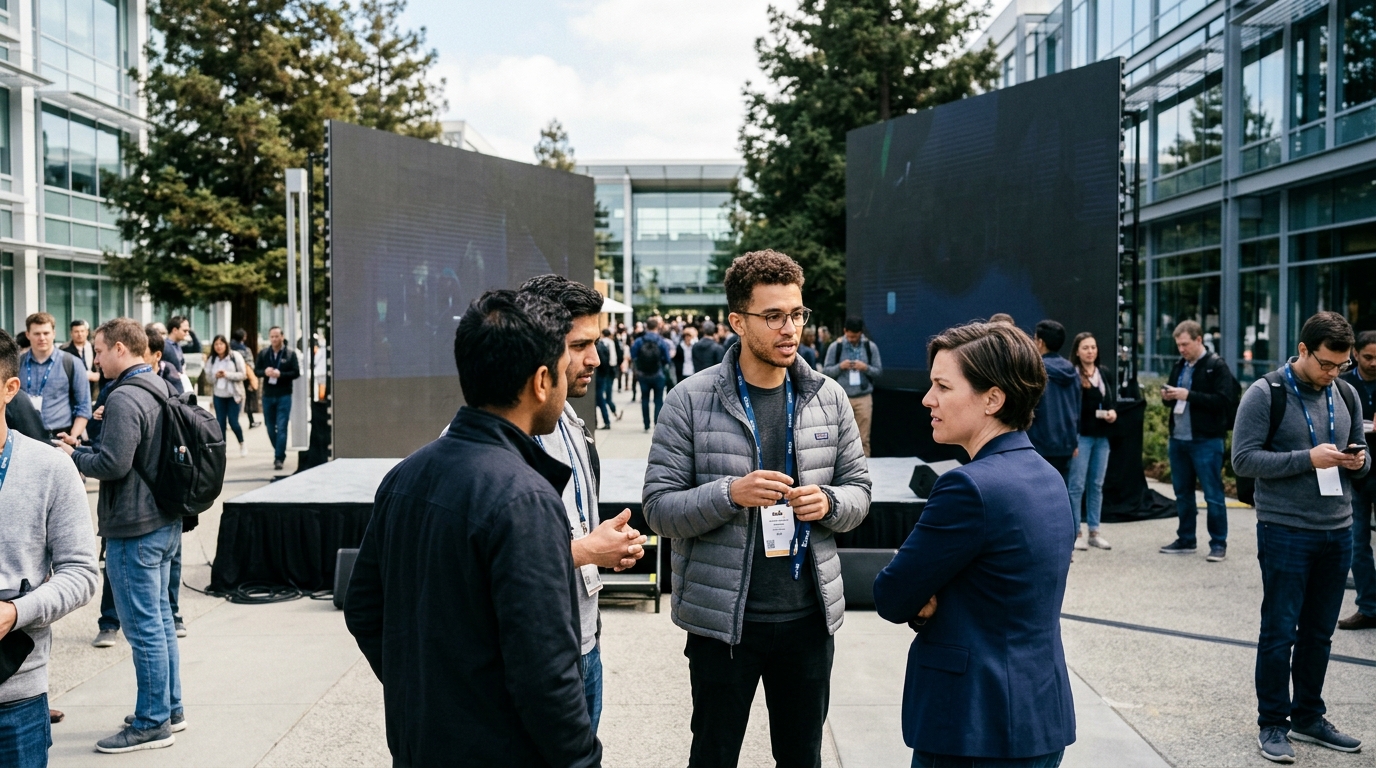
The history of Silicon Valley has always been a narrative of movement, but what we are witnessing in 2026 transcends any previous precedent. The traditional pillars of technology — Google, Meta, Microsoft, and Amazon — are facing an unprecedented "talent hemorrhage." Top-tier engineers, data scientists, and strategic executives who built the cloud and social networks of the previous decade are abandoning their secure positions. Their destination? The emerging Generative AI ecosystem, where promises of astronomical equity and freedom from corporate bureaucracy act as powerful magnets.
The Bureaucracy of Giants vs. Startup Velocity
The primary driver of this exodus is not merely financial allure. For many elite scientists, Big Tech firms have become "cumbersome dinosaurs." The approval process for a new AI model in a company like Google can take months due to legal reviews, ethical constraints, and internal politics. Conversely, in startups like OpenAI, Anthropic, or the French Mistral, the distance from idea to implementation is minimal. This "escape velocity" is what fascinates those who wish to remain at the cutting edge of innovation.
Furthermore, Artificial Intelligence has fundamentally altered the nature of work within the software sector. Traditional Software-as-a-Service (SaaS) departments are seeing their resources dwindle as budgets are aggressively redirected toward compute and AI training. Executives who felt their careers had plateaued in the maintenance of legacy products now see an opportunity to reinvent themselves as architects of the next great technological wave.
The Wage War and the Allure of "Golden" Compute
Compensation in the AI sector has reached dizzying heights. It is not uncommon for a specialized researcher in Large Language Models (LLMs) to receive packages exceeding $1 million annually, including stock options. Big Tech firms attempt to respond with counter-offers that border on the absurd, yet they frequently lose the battle. Why? Because today's talent seeks more than just cash; they seek access to computing power.
- Startups are securing billions in funding exclusively to purchase Nvidia chips.
- A researcher's ability to experiment with thousands of GPUs is often more attractive than a high cash bonus.
- The open-source culture in many new firms allows scientists to publish their work, thereby enhancing their personal brands.
This migration creates a leadership vacuum in traditional Big Tech departments. The loss of mid-to-senior level executives means that institutional knowledge transfer is interrupted, while managing large teams becomes increasingly difficult. The result is a noticeable slowdown in classic software products at a time when the market demands rapid AI integration.
From SaaS to AI-First: A Structural Paradigm Shift
This is not merely a rotation of personnel; it is a restructuring of the entire industry. The SaaS model that dominated the last 15 years is yielding to "AI as a Service" or "Agentic Workflows." Companies unable to attract the necessary talent risk obsolescence. We are already observing a trend of "acqui-hiring," where major players acquire entire startups not for their products, but to bring the team back into their fold.
"We are no longer just hiring developers; we are hiring the people who will teach machines how to program," a senior industry executive noted.
In conclusion, the AI talent war is a reflection of a deeper existential crisis for Big Tech. As the center of gravity shifts from maintaining code to creating intelligence, the balance of power is being upended. The question is not whether the giants will survive, but whether they can remain innovative in a world where the brightest minds prefer the risk of a startup over the security of a corporate campus.