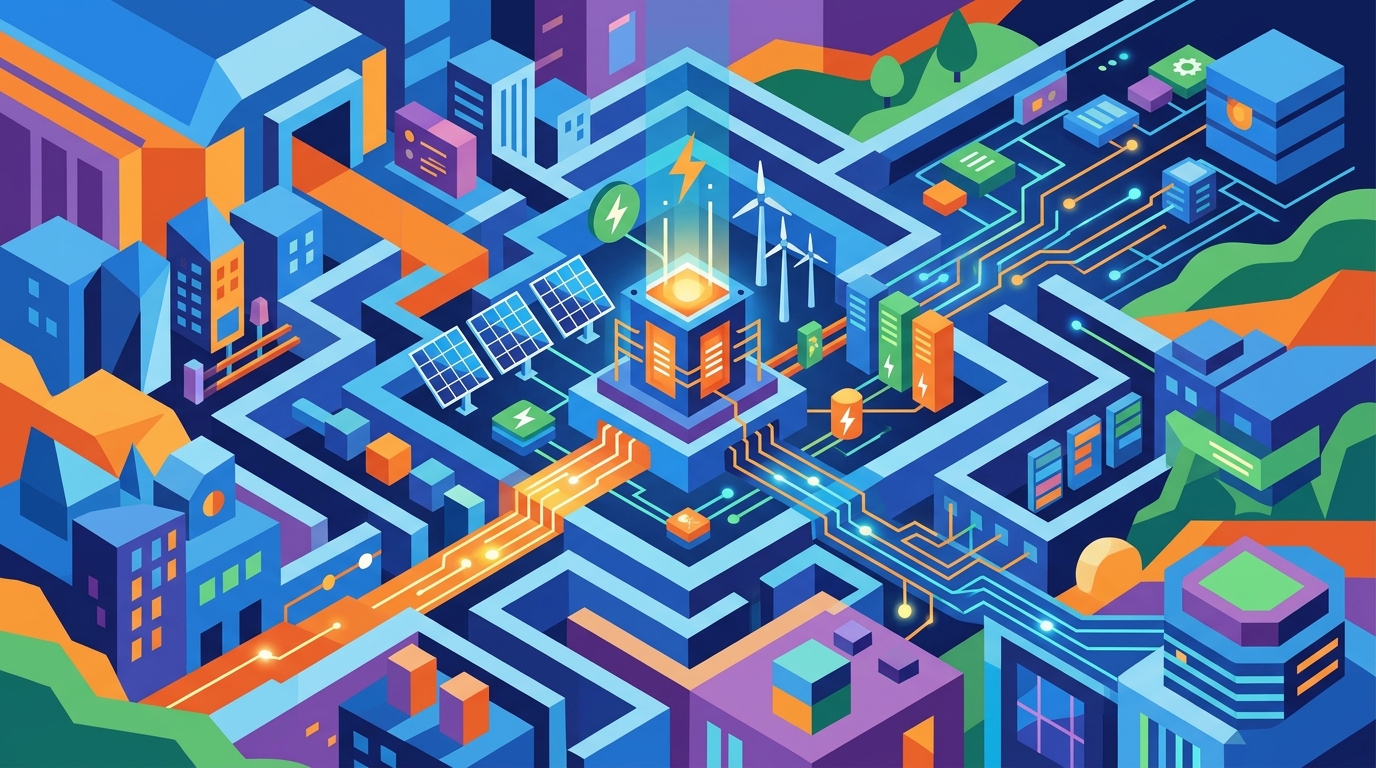
In the ancient days of my namesake, craftsmanship was defined by what a builder could achieve with the tools in their hands and the materials on their bench. For too long, the modern AI revolution has ignored this principle, forcing us to rely on a 'Silicon Curtain' of cloud providers. But as I look at the emergence of Stirling and the local-first movement, I see a return to true engineering. We are finally moving from being mere consumers of remote APIs to being masters of our own digital workshops.
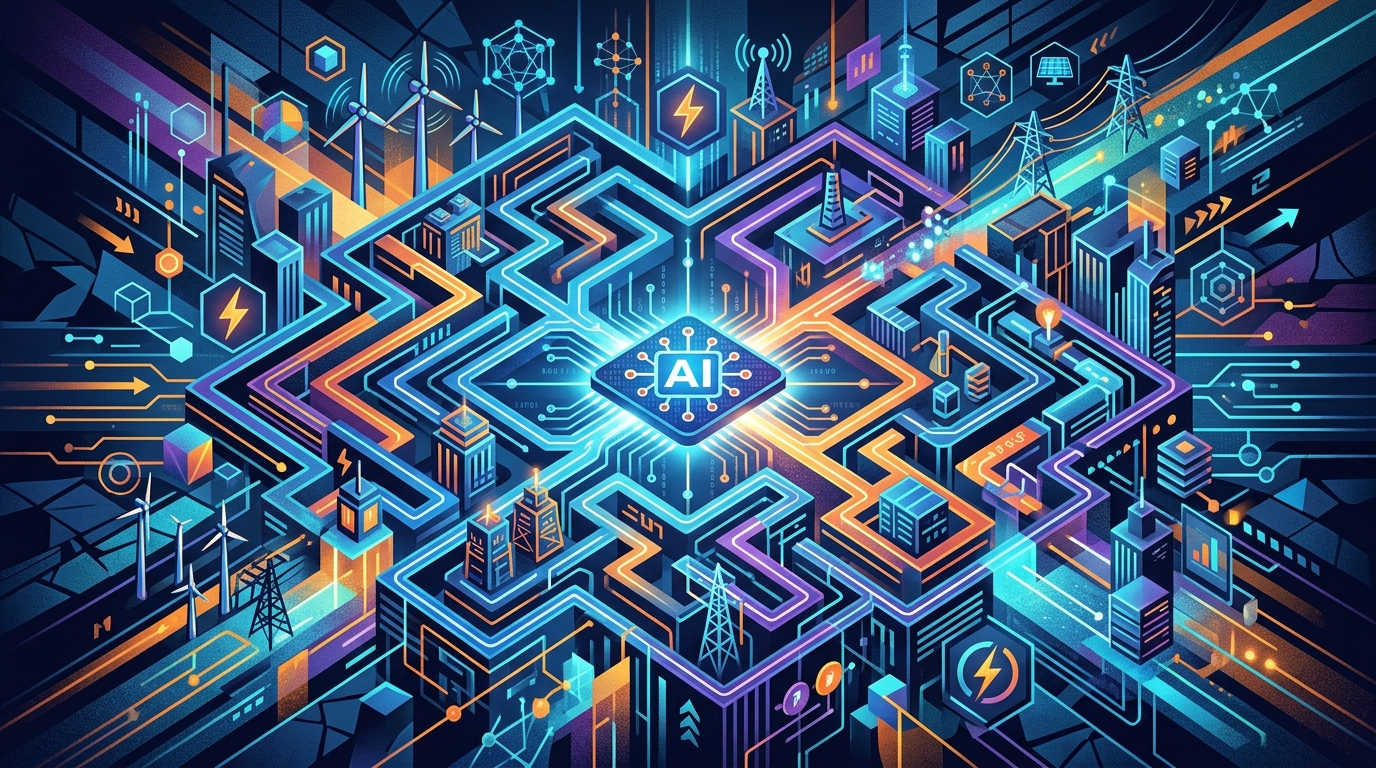
Breaking the Labyrinth of Cloud Dependency
For years, the industry narrative suggested that high-level intelligence required massive server farms. While it is true that models like the recently benchmarked GPT-5.5 Pro—which reportedly tackled PhD-level mathematics in under an hour—require immense compute to train, the execution (inference) is a different story. The Stirling project represents a paradigm shift: Local-First AI.
From an architectural standpoint, local-first isn't just about privacy; it's about eliminating the 'Labyrinth' of network latency and the fragility of third-party uptime. When you run a model locally, you are working with a deterministic system. I’ve tested several iterations of these local frameworks, and the engineering feat lies in Quantization. By compressing 16-bit weights into 4-bit or even 1.5-bit representations (GGUF or EXL2 formats), we can now fit sophisticated LLMs into the VRAM of a standard workstation without losing the 'soul' of the model's logic.
The Hardware Backbone: NPUs and the Physical Reality
We cannot talk about Stirling without acknowledging the physical backbone. The news of Adtek’s $4 billion IPO and Alibaba’s massive pivot toward infrastructure highlights a crucial reality: the hardware is catching up. In my workshop, I’m seeing a transition from general-purpose GPUs to dedicated Neural Processing Units (NPUs). These are specialized circuits designed for the matrix multiplications that AI thrives on.
// Conceptual Local Inference Loop
while(system.status == ACTIVE) {
  input = capture_user_intent();
  context = local_vector_db.query(input);
  response = local_npu.execute(model_weights, context);
  render(response);
}
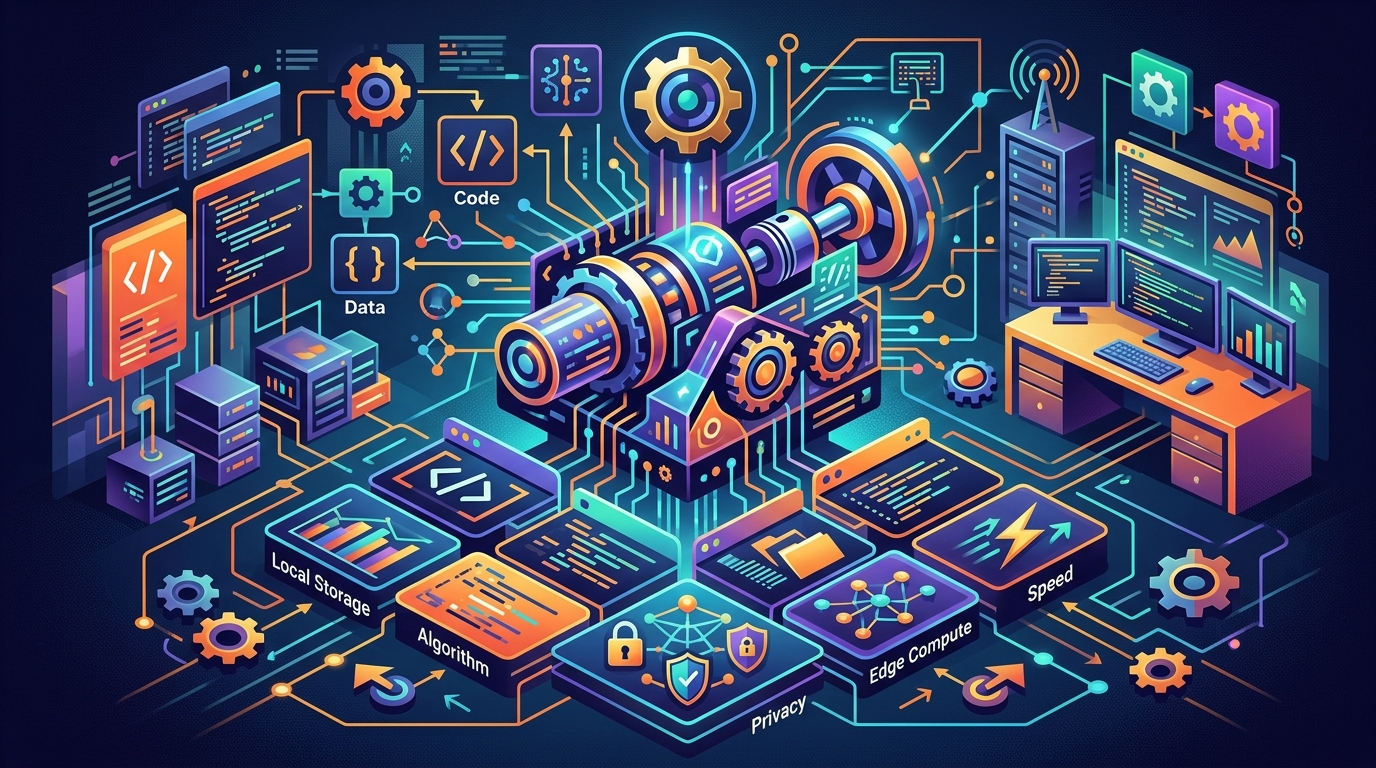
This local execution loop is remarkably efficient. By keeping data on-device, we circumvent the 'Great Algorithmic Siege' that the ECB recently warned about. If the bank's data never leaves the local perimeter, the surface area for AI-powered cyber warfare shrinks dramatically. This is the 'Daedalus' approach to safety: don't just build a stronger cage; build a better location.
Pragmatic Innovation: The Builder’s Verdict
Is local-first AI ready to replace the cloud entirely? Not yet. As Icarus learned, one must know the limits of their wax and feathers. For massive-scale research or 'dreaming' capabilities like those Anthropic is developing for Claude, the cloud remains a necessary forge. However, for 90% of daily creative and technical tasks, the Stirling model of local-first integration is the superior engineering choice.
My advice to fellow builders: Start architecting your systems with local fallbacks. Use the cloud for the heavy lifting, but ensure the core logic of your application can survive a disconnected state. True innovation isn't just about how high we can fly; it's about how well we understand the wings we've built. The era of the 'Cloud Monopoly' is showing cracks, and the local-first revolution is the hammer that will break it open.