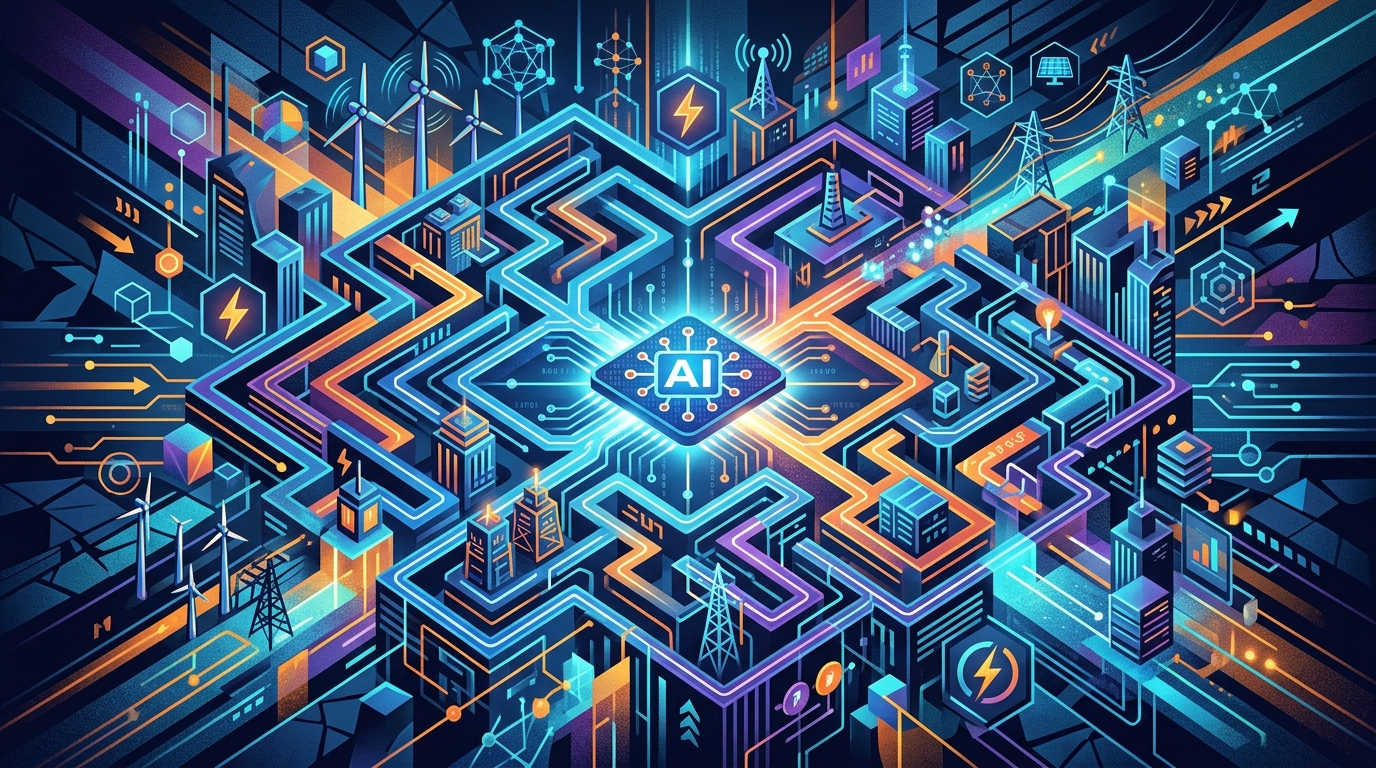
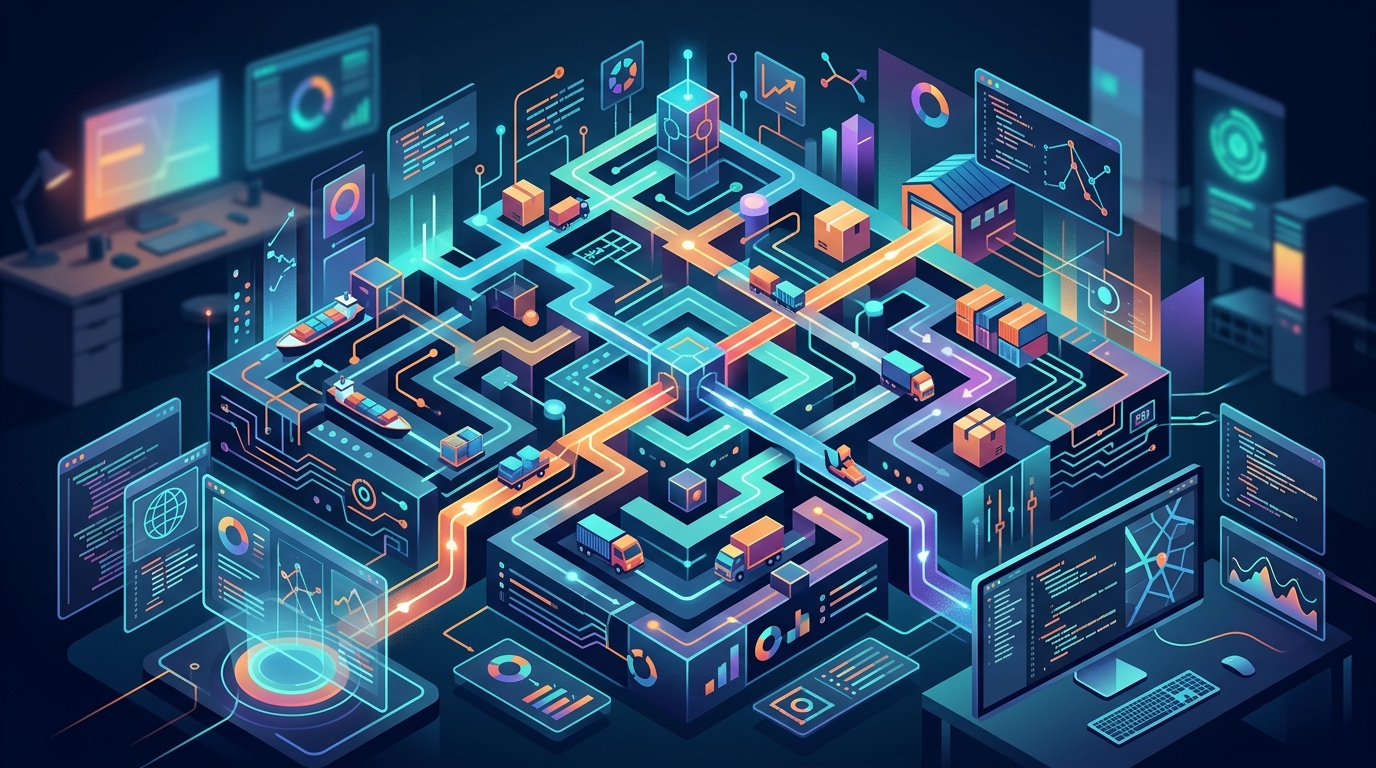
In the age of myth, the Labyrinth was a static structure designed to trap. In 2026, the global supply chain has become a living, shifting Labyrinth where the walls move daily. Between drone strikes in the Gulf of Aden and the tightening of the Strait of Hormuz, the 'just-in-time' logistics model has failed. As an engineer, I’ve spent the last few weeks looking under the hood of the new 'Algorithmic Resilience' platforms that are replacing it. We aren't just optimizing routes anymore; we are building autonomous navigation for the global economy.
The Architecture of Chaos: Graph Neural Networks
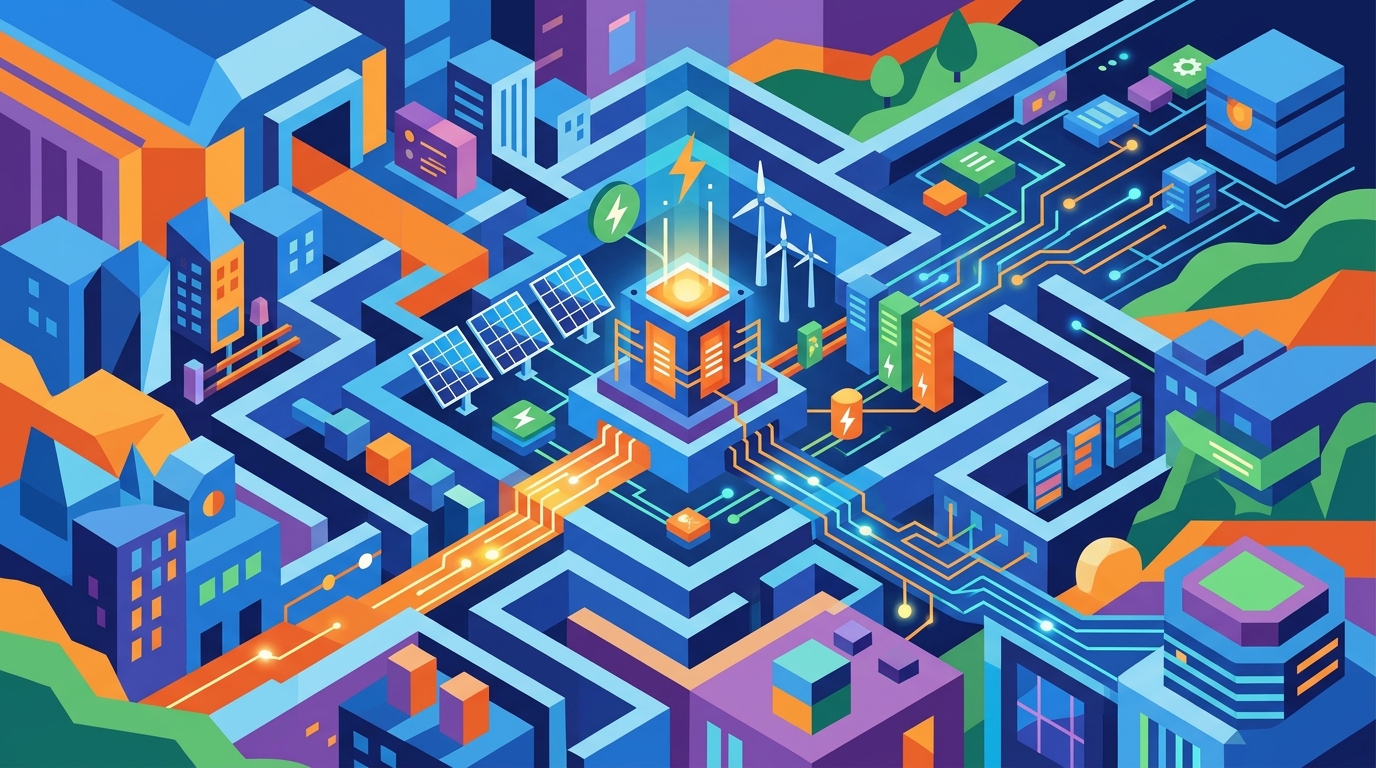
The technical core of modern supply chain AI isn't a simple regression model. It’s built on Graph Neural Networks (GNNs). Why? Because a supply chain is essentially a massive, multidimensional graph. Nodes are ports, warehouses, and factories; edges are shipping lanes and flight paths. When a drone strike occurs in the Gulf of Aden, a standard algorithm sees a delay. A GNN sees a ripple effect across every connected node in real-time.
I recently reviewed a deployment using Temporal Graph Networks (TGNs). These models don't just look at the current state; they treat the entire history of the graph as a continuous stream. By integrating real-time geopolitical feeds—literally scraping news and satellite data—the system can predict a 15% increase in insurance premiums before the underwriters even send the email. This is the 'Daedalus' approach: building wings that don't melt because we've calculated the exact thermal threshold of the wax.
Digital Twins and Kinetic Simulations
The most impressive innovation I’ve seen involves Digital Twin integration. We aren't just simulating data; we are simulating physics. Companies are now running 'Kinetic Stress Tests.' What happens if the Strait of Hormuz is blocked for 72 hours? The AI doesn't just suggest a different path; it simulates the fuel consumption, the port congestion at alternate hubs like Piraeus, and the thermal degradation of perishable cargo.
// Pseudocode for Dynamic Rerouting Logic
if (node.geopolitical_risk > threshold) {
    path = graph.find_alternative(origin, destination, constraint='resilience');
    calculate_fuel_offset(path);
    update_digital_twin(global_inventory_state);
}
This level of engineering requires massive compute, often handled by the 'hidden gems' of the AI hardware market—specialized NPUs (Neural Processing Units) that handle graph traversals much faster than traditional GPUs. It’s not just about raw power; it’s about the craftsmanship of the interconnects.
The Builder's Perspective: Pragmatism over Hype
I must warn you, as I would warn Icarus: do not fly too high on the wings of pure automation. The 'Human-in-the-loop' (HITL) remains the most critical component. The best systems I've tested don't make the final decision; they present three 'scenarios of resilience' to a human logistics officer. We are building tools, not replacements for judgment. The engineering challenge of 2026 is ensuring these models remain interpretable. If an AI tells a captain to take a 10-day detour around the Cape of Good Hope, the engineer must be able to explain why in a language of logic, not just weights and biases.
The University of Thessaly's recent work on regional AI growth models is a great example of this. They are focusing on 'Edge AI' for local logistics, ensuring that even if the global Labyrinth shifts, the local nodes remain functional. That is true craftsmanship: building for the worst-case scenario while hoping for the best.