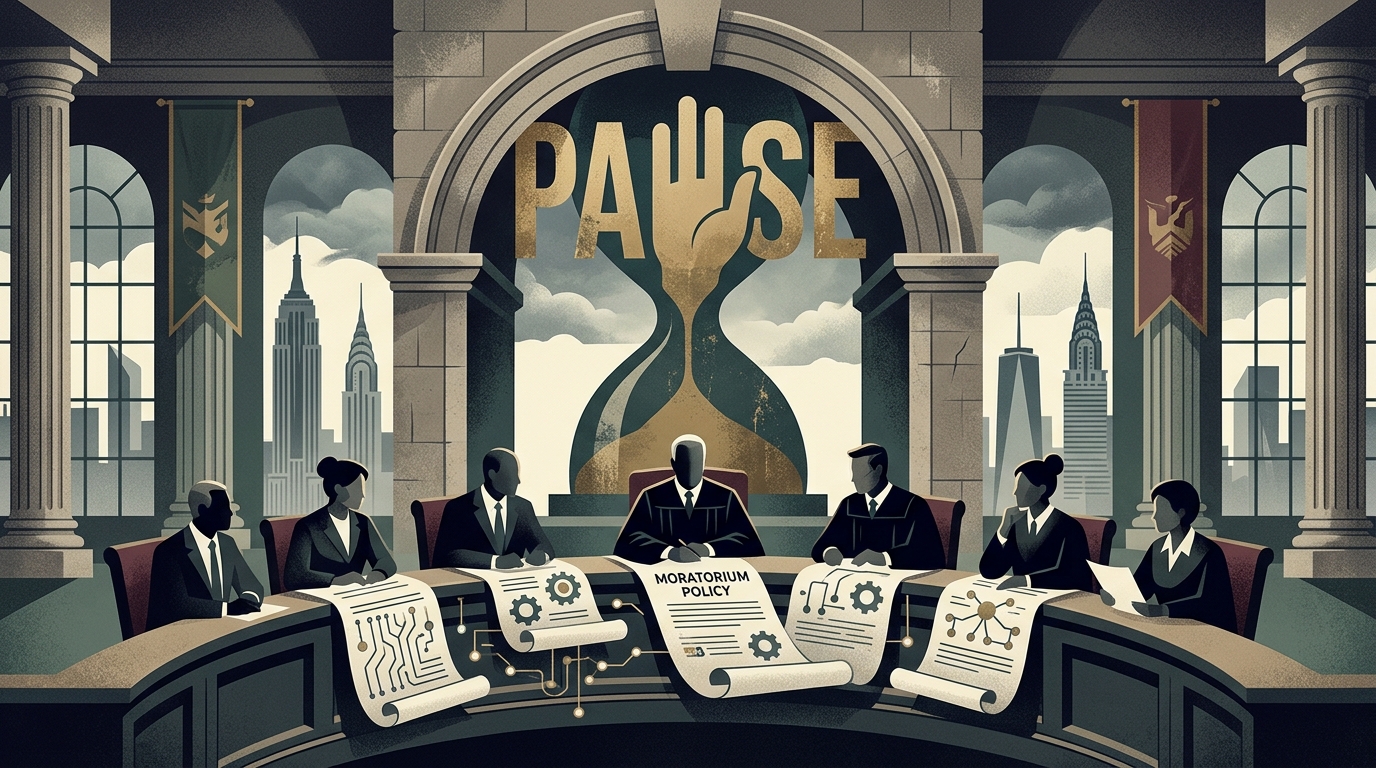
In the history of governance, there are moments when the state moves from being an observer to a decisive arbiter of technological progress. Just as the ancient Athenian state under my namesake sought to balance the competing interests of the powerful and the public through the Seisachtheia, we are witnessing a contemporary rebalancing. The recent decision by the United States government to halt the deployment of Anthropic’s latest Claude model represents a definitive crossing of the regulatory Rubicon.
The Shift from Voluntary Oversight to Mandatory Compliance
For several years, the prevailing philosophy in Washington—and to a lesser extent in Brussels—was one of 'wait and see.' Innovation was the primary directive, and safety was largely delegated to the internal ethics boards of private corporations. However, as AI models evolve into agents of strategic and industrial power, the 'Oppenheimer moment' is no longer a theoretical concern but a policy reality. The intervention against Anthropic suggests that the era of voluntary commitments, such as those signed at the AI Safety Summits, is yielding to a regime of hard regulatory oversight.
This move is not merely about technical safety; it is a manifestation of 'pre-emptive governance.' By citing national security and systemic risk, the US government is asserting that frontier models are now considered critical infrastructure. This aligns with the broader geopolitical context we see today, where AI is increasingly viewed as a 'Hybrid Warfare' weapon. When a model gains the capacity for strategic depth—as seen in recent architectural breakthroughs like UP-NRPA—the state can no longer remain a bystander.
Geopolitical Consequences and the European Mirror
The implications of this halt extend far beyond the borders of the United States. We must consider the 'Great Divergence' occurring in the East. While the US implements breaks, Chinese entities like Zhipu AI are pivoting toward open-source models (GLM-5.2) to circumvent hardware bottlenecks and accelerate domestic adoption. This creates a classic 'security dilemma': does a regulatory slowdown in the West provide a strategic opening for adversaries, or does it ensure that the Western digital ecosystem remains resilient and trustworthy?
"True governance is not the suppression of power, but the harmonization of power with the common good."
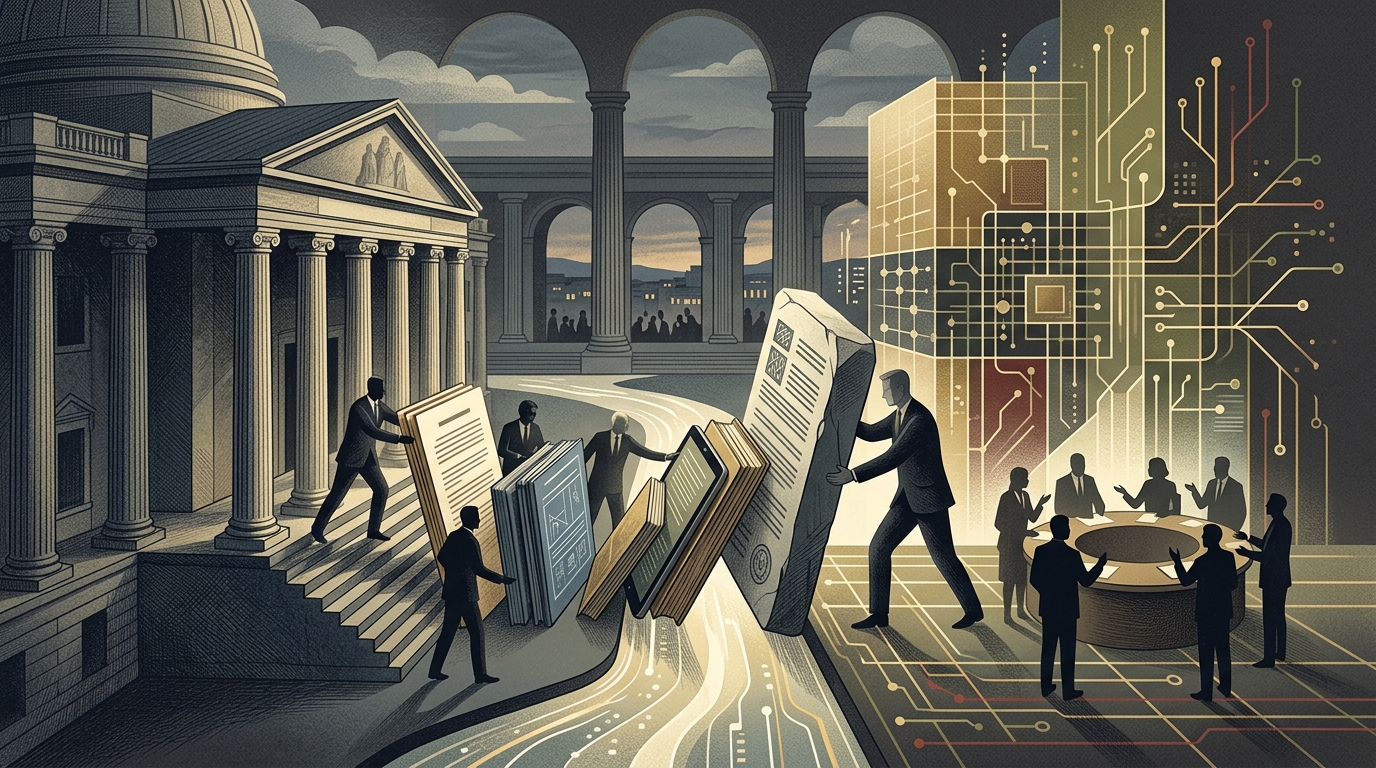
From a European perspective, this American intervention is a vindication of the EU AI Act’s philosophy. For years, European policymakers have been criticized for 'stifling innovation' with red tape. Now, we see the US adopting a similar posture of caution. This convergence suggests a move toward a trans-Atlantic regulatory framework that prioritizes 'Cyber-Resilience' and democratic stability over pure speed.
A Framework for the Future: The Digital Odyssey
As we navigate this 'Digital Odyssey,' I propose that we move toward an institutional framework based on three pillars:
- Algorithmic Accountability: Mandatory third-party audits for any model exceeding a specific compute threshold, moving beyond self-reporting.
- Infrastructure Sovereignty: Recognizing that the 'Infrastructure War'—stretching from orbital satellites to subsea cables—requires a unified defense strategy.
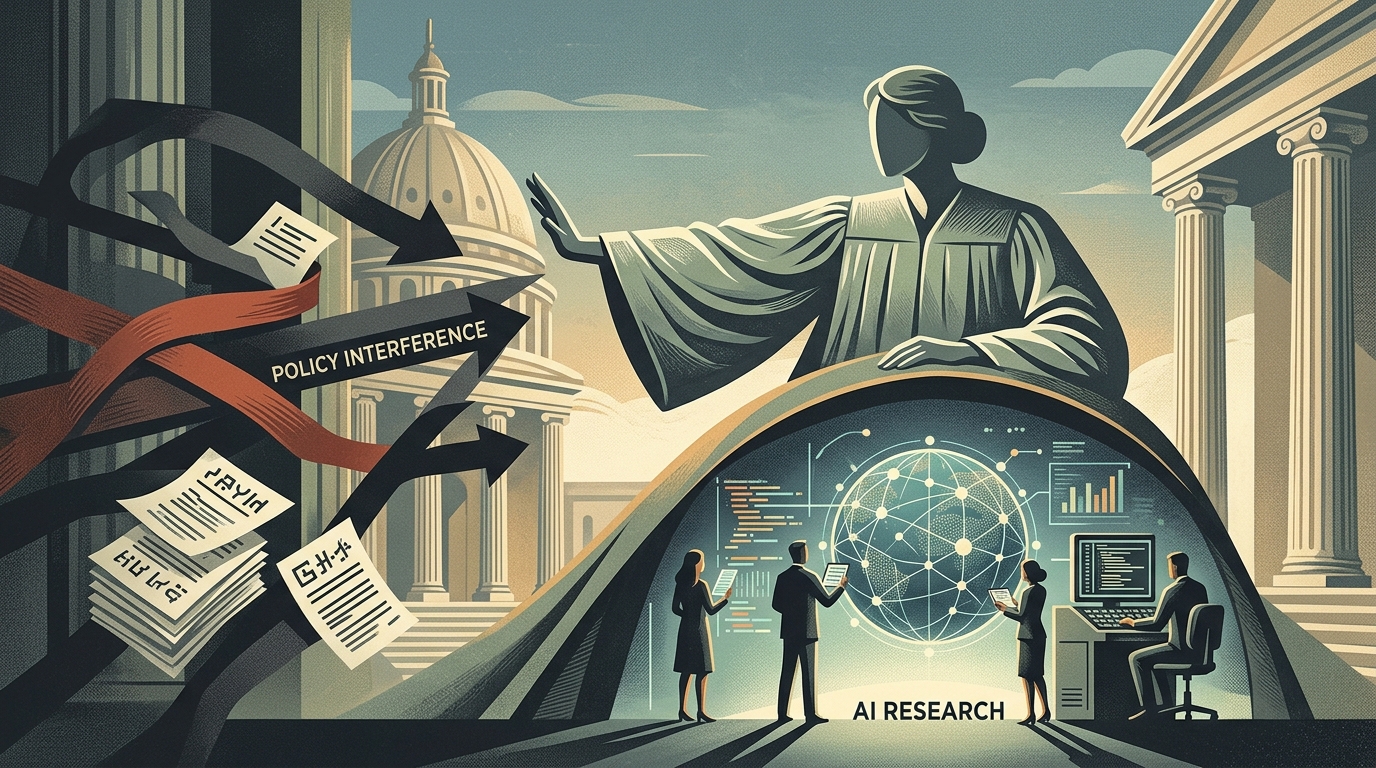
- Democratic Oversight: Ensuring that decisions to halt model deployment are transparent and subject to judicial review, preventing the weaponization of regulation for political ends.
In my analysis, the halting of Claude is not an end to innovation, but the beginning of a mature phase of governance. We are moving from the 'Wild West' of AI development to a 'Politeia'—a structured society where the digital and the physical are governed by the same principles of law and accountability. The challenge for the coming year will be ensuring that this regulation fosters safety without creating a permanent oligarchy of incumbents who are the only ones capable of meeting such stringent demands.