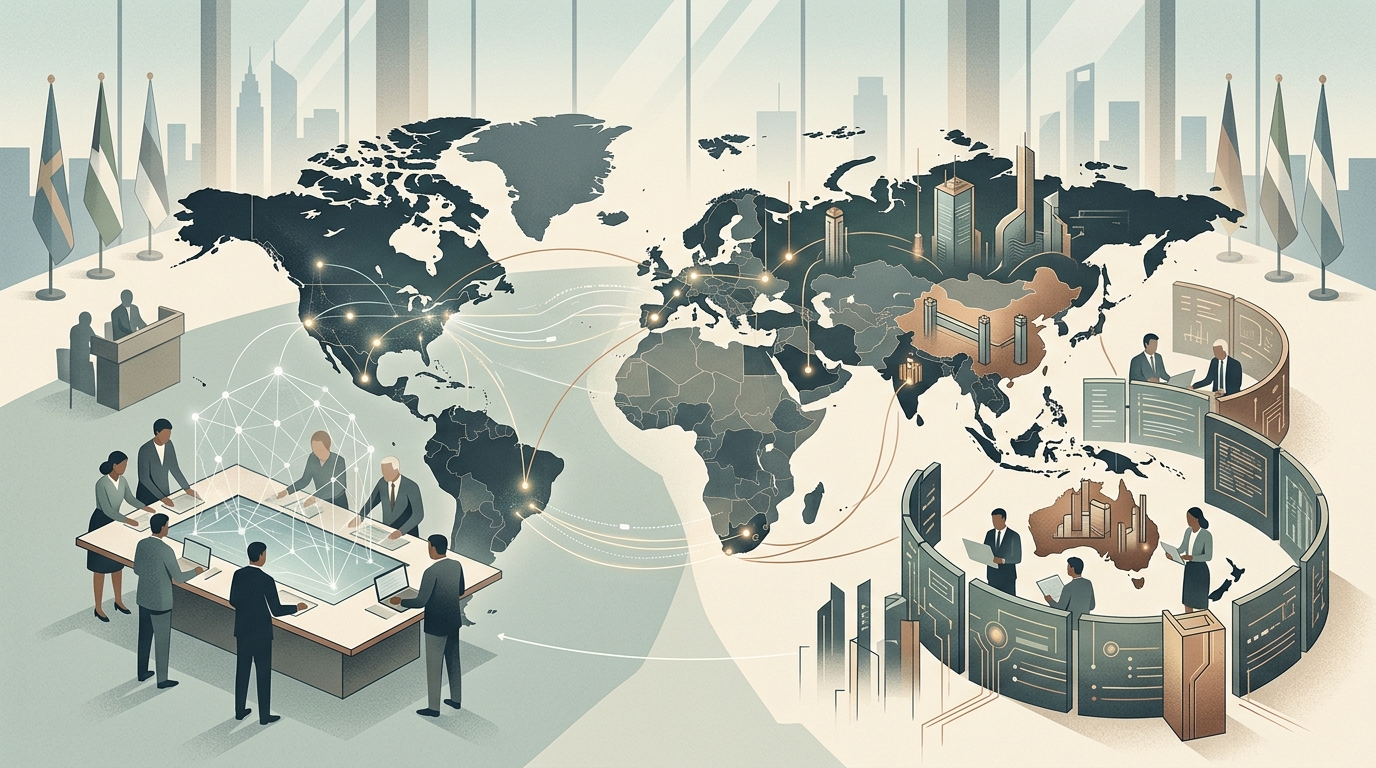
In the sixth century BCE, I sought to reform the Athenian state by balancing the conflicting interests of the classes through the 'Seisachtheia'. Today, we face a similarly profound disruption, not of debt, but of data and intelligence. The recent announcement of South Korea’s 'AI Fortress'—a secure, localized intelligence system for national defense—marks a definitive pivot in the global geopolitical landscape. We are witnessing the end of the era of the 'Global AI Commons' and the dawn of 'Digital Westphalianism'.
The Security Dilemma and the Sovereign Stack
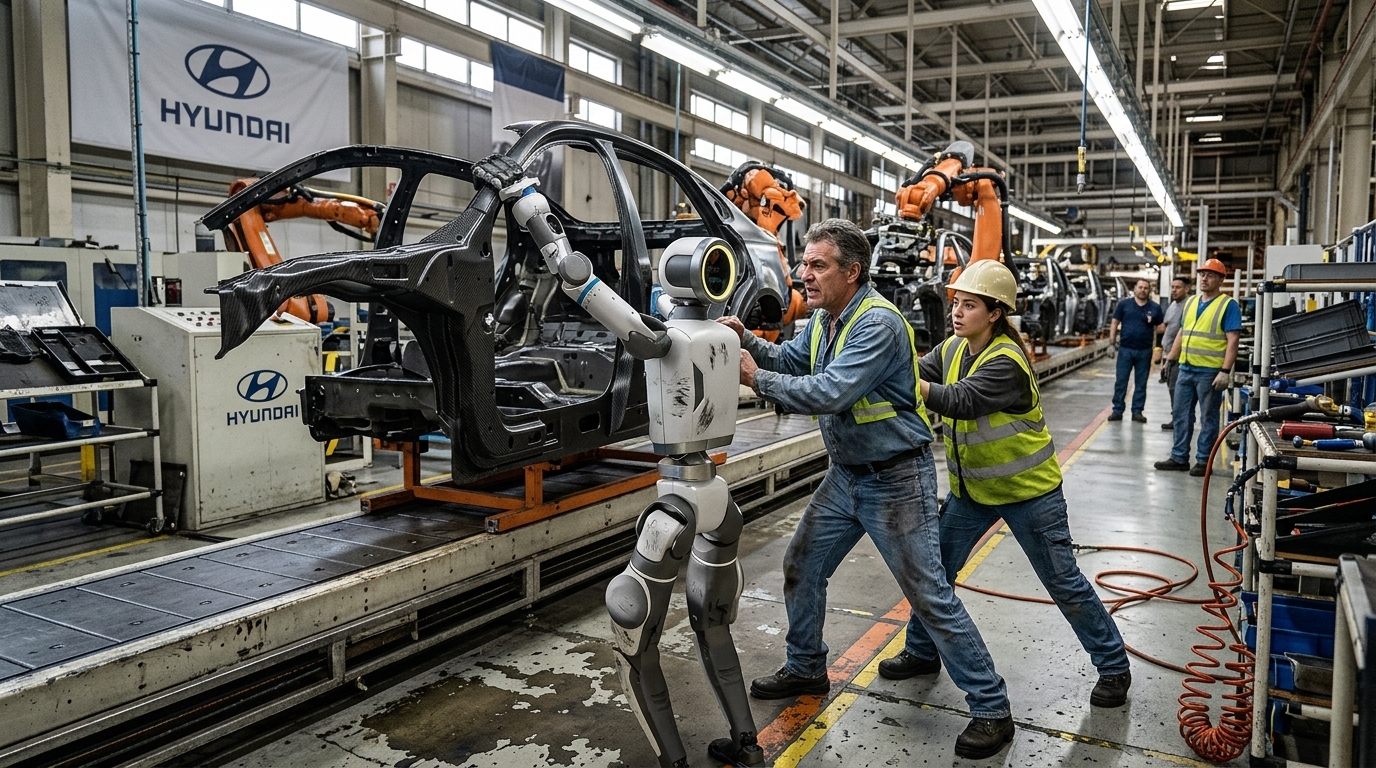
The South Korean initiative is not merely a technological upgrade; it is a political statement. By creating a secure intelligence system within a defense lab, Seoul is acknowledging that AI is no longer just a commercial utility but a core component of national sovereignty. This 'sovereign AI' movement, also seen in the strategic investments of Samsung and the defensive postures of major powers, suggests that the 21st-century state will be defined by its 'compute power' as much as its standing army.
"In the realm of governance, the transition from historical calculation to predictive strategy represents a fundamental shift in how power is exercised and maintained."
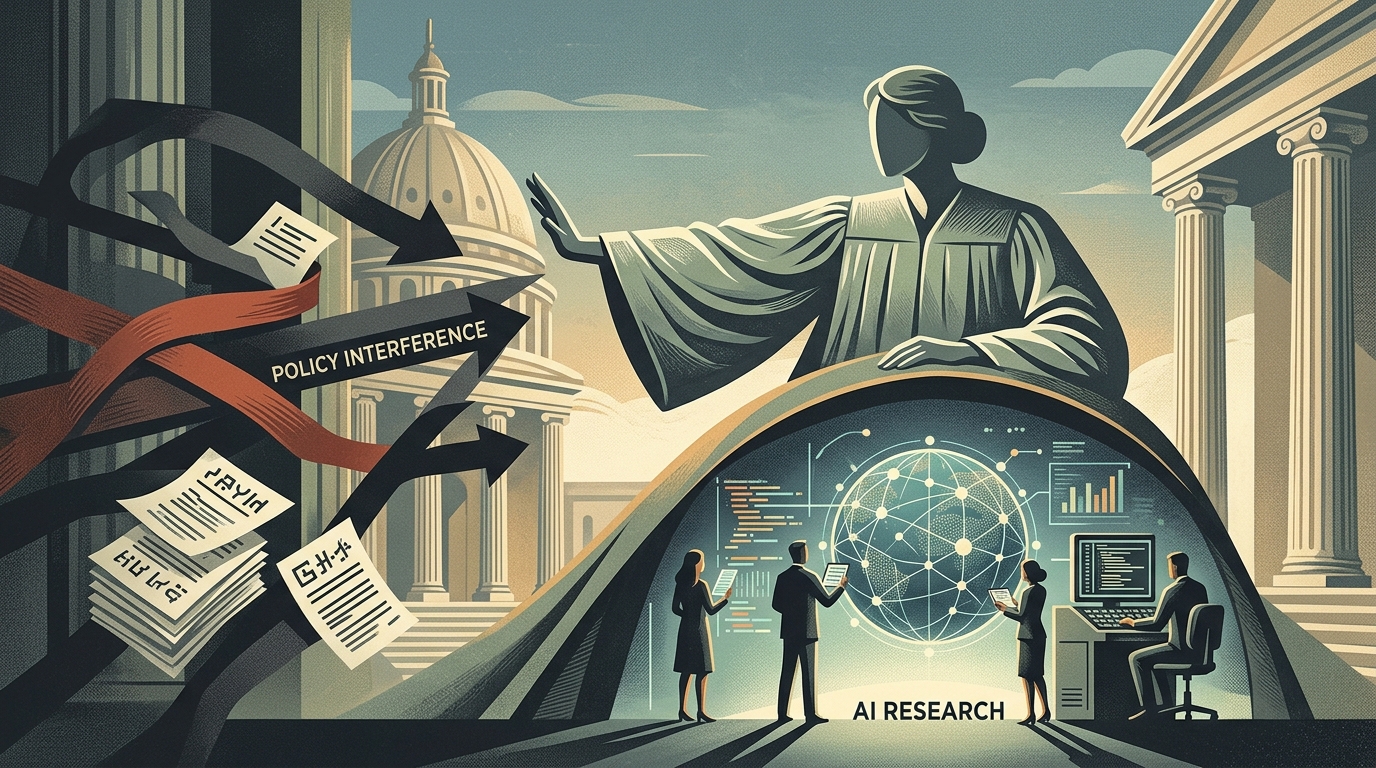
However, this retreat into digital fortresses presents a significant risk to the democratic values I have long advocated. When AI systems are developed behind the closed doors of defense laboratories, we encounter the 'Black Box Enigma'. If the algorithms governing national security, and increasingly our economies, remain opaque, we risk a new form of tyranny: the rule of the unaccountable code. A democracy cannot function if its citizens—and even its leaders—cannot interrogate the logic behind the decisions that affect their lives.
The Transparency Paradox in the AI Era
The 'Black Box' is not just a technical hurdle; it is a governance failure. As we see in the current debates over film copyright and publishing, the rush to consolidate AI power often overlooks the rights of the individual. In my view, the European Union's AI Act remains the most noble attempt to bridge this gap, yet it faces immense pressure from the geopolitical reality of an AI arms race. The tension between 'security' and 'transparency' is the modern equivalent of the tension between the Athenian 'polis' and the 'tyrannos'.
To prevent the 'Shadow of Progress' from eclipsing our civil liberties, we must propose a new institutional framework. I suggest the establishment of an 'International Algorithmic Oversight Body' (IAOB), modeled after the International Atomic Energy Agency, but focused on the auditability of sovereign AI systems. This is not about stifling innovation—as the Samsung profit surge demonstrates, the economic incentives for AI are unstoppable—but about ensuring that the 'Digital Fortresses' of the future have windows, not just walls.
Conclusion: A New Social Contract for the Algorithmic Age
As Greece prepares its youth for a 2026 university landscape rewritten by AI, we must teach them that governance is not a passive act. The shift toward predictive strategy in economics and defense requires a citizenry that is more, not less, literate in the mechanics of power. We must ensure that the 'Great Reckoning' leads to a strengthening of the social contract, where technology serves the 'dēmos' rather than the other way around. The walls of the fortress may provide safety, but it is the transparency of the 'agora' that ensures freedom.